Exploring the Benefits of Laser Powder Bed Fusion Process?
The Laser Powder Bed Fusion Process is a game-changer in additive manufacturing. Dr. Emily Chen, a leading expert in the field, highlights its potential by stating, “This process revolutionizes design freedom and material efficiency.” Many industries are turning to this technology for its ability to create complex geometries with minimal waste.
However, the Laser Powder Bed Fusion Process is not without its challenges. Fine-tuning the parameters for each material can be daunting. Variability in powder quality can affect the final product's reliability. Despite these hurdles, the benefits are substantial. This process allows for more innovative designs and reduces manufacturing time and costs.
As organizations adopt the Laser Powder Bed Fusion Process, they must focus on training and expertise. Ensuring that operators understand the intricacies of this technology is crucial. The road ahead is promising, but continuous learning and adaptation are key. The evolution of this process serves as a testament to human ingenuity and industrial advancement.
Understanding Laser Powder Bed Fusion: An Overview
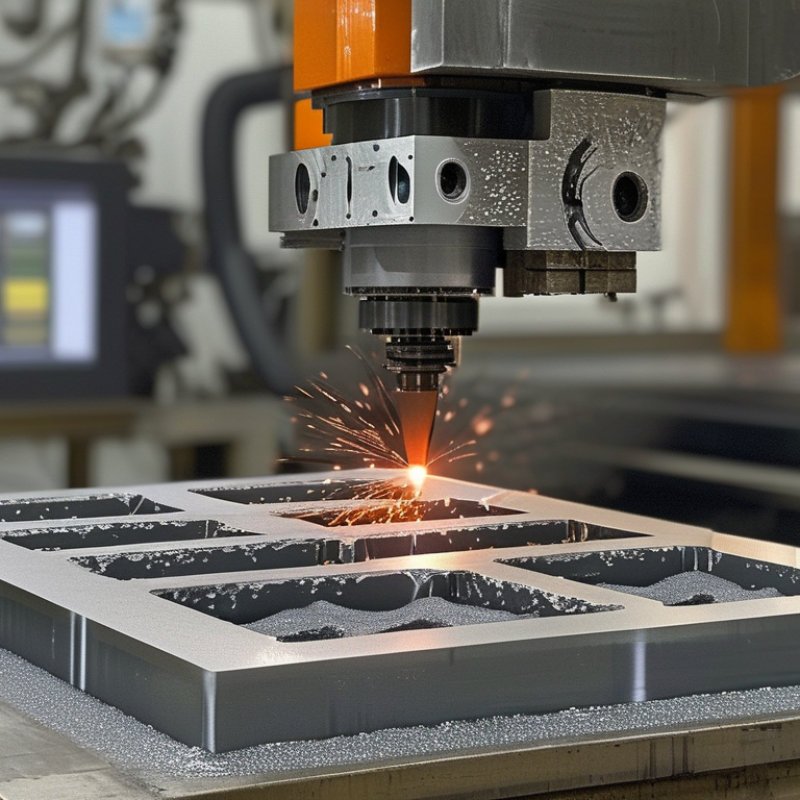
Laser Powder Bed Fusion (LPBF) is transforming manufacturing. This additive manufacturing process utilizes a high-powered laser to fuse fine powder particles. It creates complex geometries that traditional methods struggle to achieve. The layer-by-layer approach minimizes waste, making it environmentally friendly. According to industry reports, LPBF can reduce material waste by up to 95% compared to traditional machining processes.
One significant benefit of LPBF is its ability to customize production. It enables the creation of tailored parts designed specifically for individual needs. This is particularly advantageous in industries like aerospace and medical, where precise specifications are crucial. However, achieving consistent quality can be challenging. Variability in powder characteristics and laser parameters may lead to defects. The need for rigorous quality control systems is imperative to mitigate these risks.
Furthermore, LPBF speeds up the prototyping phase, allowing for rapid iterations. It has been reported that companies using LPBF can reduce lead times by approximately 40% compared to conventional methods. Nevertheless, the technology is not without its limitations. Material selection is currently restricted compared to traditional manufacturing methods. This poses a challenge for industries that require specific alloys or composite materials. Despite these hurdles, LPBF remains a promising avenue for advanced manufacturing solutions.
Exploring the Benefits of Laser Powder Bed Fusion Process
| Dimension |
Description |
Benefits |
| Material Efficiency |
Utilizes metal powders, minimizing waste. |
Lower material costs and reduced environmental impact. |
| Complex Geometry |
Capable of producing intricate designs that are difficult to achieve with traditional methods. |
Enhanced design flexibility and innovation. |
| Speed of Production |
Faster processing times compared to other metal fabrication techniques. |
Shorter lead times and rapid prototyping capabilities. |
| Customization |
Allows for batch production of customized parts. |
Meeting specific customer requirements without significant cost increases. |
| Material Properties |
Produces parts with high mechanical properties and precision. |
Improvements in performance and reliability of components. |
Key Principles of the Laser Powder Bed Fusion Process
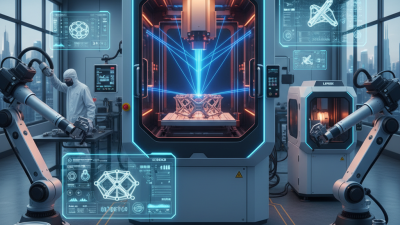
Laser Powder Bed Fusion (LPBF) is an innovative 3D printing technique. It involves using a laser to fuse fine metallic powders layer by layer. The process begins with a thin layer of powder spread across a build platform. A high-powered laser then selectively melts the powder according to a digital design file. This precise melting creates solid structures, enabling complex geometries that traditional methods struggle with.
Key principles of LPBF include thermal control and layer adhesion. Managing the heat generated by the laser is crucial. Uneven temperatures can lead to warping or defects in the final product. It's essential to fine-tune the laser parameters to achieve optimal fusion. Layer adhesion is another pivotal aspect; each layer must bond well with the previous one. If there's insufficient adhesion, it can compromise the strength of the part.
Many engineers still face challenges in achieving consistent results. Variability in powder quality can affect outcomes. Moreover, post-processing requirements can add complexity. These factors highlight the need for ongoing research and testing in this field. By addressing these issues, the LPBF process can continue to evolve, pushing the boundaries of additive manufacturing.
Advantages of Laser Powder Bed Fusion in Manufacturing
Laser Powder Bed Fusion (LPBF) is revolutionizing the manufacturing landscape. This advanced additive manufacturing process offers significant advantages over traditional methods. One standout benefit is the ability to create complex geometries that are often impossible with conventional techniques. This allows designers and engineers to push the boundaries of innovation.
The material efficiency of LPBF is noteworthy. The process generates minimal waste compared to subtractive manufacturing. This can lead to cost savings and a reduced environmental footprint. Additionally, LPBF enables the use of a wide variety of materials, including metals and polymers, making it versatile for different applications.
Tips for maximizing the benefits of LPBF include understanding your design constraints. Consider how the design might affect the printability and strength of the part. It's crucial to collaborate closely with engineers who have experience in LPBF. Their insights can guide the optimization of designs for better performance.
Evaluating the post-processing needs is equally important. Parts produced through LPBF often require finishing steps to meet quality standards. Analyzing these requirements early can save time and resources later. Balancing the initial investment with long-term benefits is key in this evolving field.
Applications of Laser Powder Bed Fusion Across Industries
Laser Powder Bed Fusion (LPBF) has revolutionized manufacturing across various industries, from aerospace to healthcare. This additive manufacturing technique produces complex geometries that are often unattainable with traditional methods. The global market for LPBF is expected to reach $3 billion by 2026, showing its growing significance in production.
In the aerospace sector, LPBF allows for weight reduction in components while maintaining strength. Parts like fuel nozzles, which were traditionally heavy and complex, can now be produced with intricate lattice structures. This not only enhances performance but also reduces fuel consumption. A report from SmarTech Analysis indicates that LPBF can reduce lead times by 90% compared to conventional machining processes.
Healthcare applications are equally compelling. LPBF is used to create custom implants tailored to individual patients. The precision offered leads to improved patient outcomes. However, the technology still faces challenges, such as the need for strict quality control of produced parts. Variations in powder quality and the parameters of the laser can impact the final product significantly. As industries increasingly adopt LPBF, these factors require ongoing attention to ensure reliability and safety.
Future Trends and Innovations in Laser Powder Bed Fusion Technology
The evolution of laser powder bed fusion (LPBF) technology is reshaping the manufacturing landscape. This technique improves precision and material efficiency. As industries adopt 3D printing, LPBF shows great promise. Innovations are emerging regularly. New materials and more powerful lasers are entering the field, enhancing the capabilities of LPBF.
Future trends suggest a focus on sustainability. Companies are exploring eco-friendly powders and methods. There is a growing interest in using LPBF for recycling materials. This process allows for the reuse of waste, reducing environmental impact. Enhanced automation is another trend. Smart technologies are making production faster and more efficient. Integrating AI could predict failures before they happen.
While LPBF has remarkable benefits, challenges remain. The technology can be slow for large-scale production. There are still questions about the repeatability of results. With ongoing research and development, improvements are likely. Each innovation brings new possibilities and challenges. Embracing these changes is essential for the future of LPBF.