10 Best Nickel Based Alloys for Extreme Temperature Applications
In the realm of engineering and materials science, the selection of appropriate alloys is paramount for applications that endure extreme temperatures. Among the various options available, Nickel Based Alloys stand out due to their exceptional performance characteristics in high-temperature environments. These alloys exhibit remarkable resistance to oxidation, corrosion, and thermal degradation, making them ideal for use in industries such as aerospace, power generation, and chemical processing. The unique microstructure of Nickel Based Alloys allows them to maintain mechanical strength and stability when subjected to significant thermal stress, which is a common challenge in extreme conditions. This article explores the ten best Nickel Based Alloys specifically engineered for high-performance applications, highlighting their properties, advantages, and suitability for extreme temperature scenarios. Understanding these alloys is essential for engineers and designers seeking reliable materials that can withstand the rigors of demanding operational environments.

Understanding the Importance of Nickel-Based Alloys in Extreme Environments
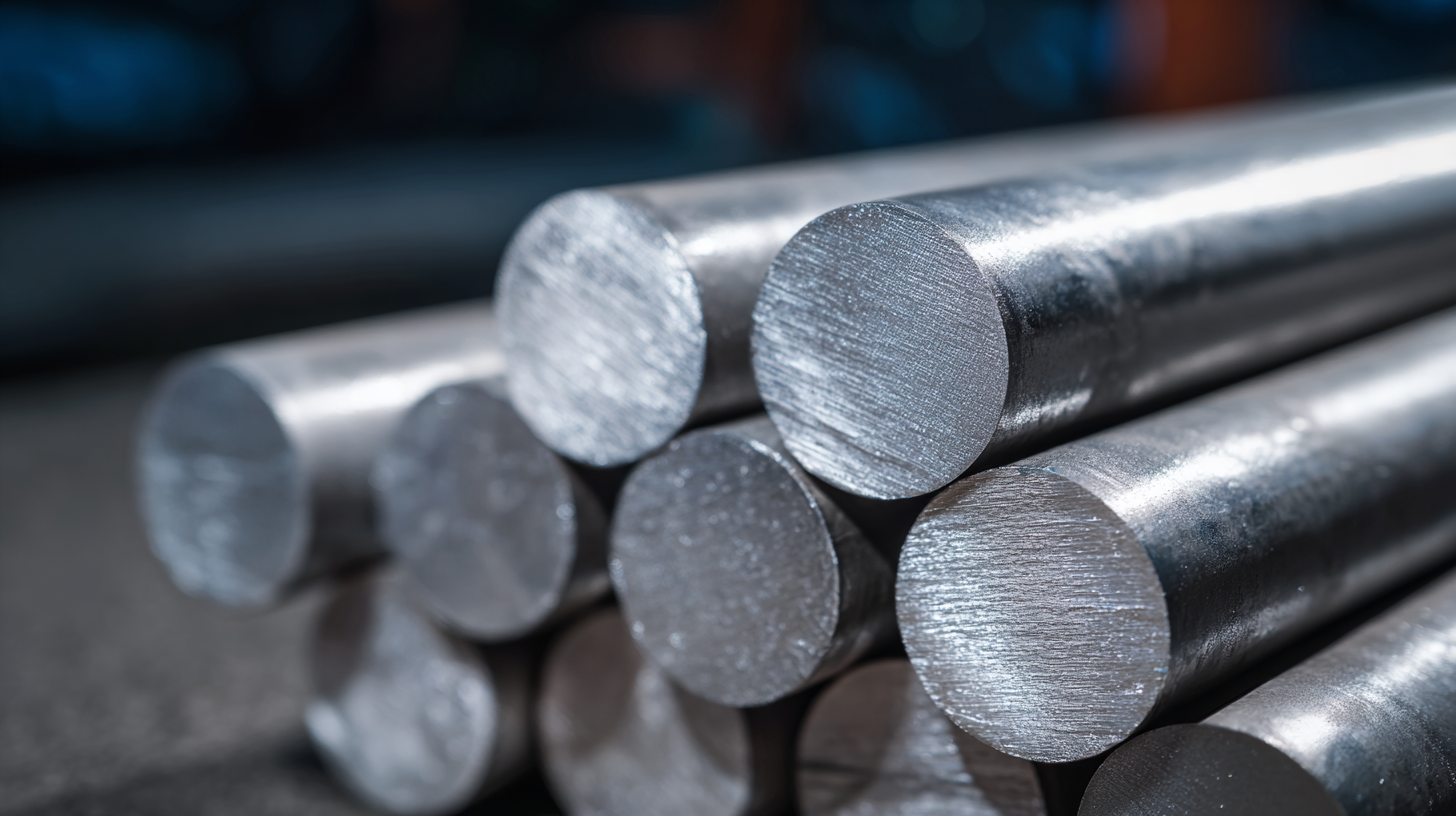 Nickel-based alloys are crucial in extreme temperature applications due to their exceptional resistance to oxidation, corrosion, and strength at high temperatures. These alloys, often containing elements like chromium and molybdenum, maintain structural integrity even under the most demanding conditions, making them ideal for industries such as aerospace, energy, and chemical processing. In environments where conventional materials fail, nickel alloys thrive, ensuring safety and reliability.
Tip: When selecting a nickel-based alloy for a specific application, consider factors such as the operating temperature range, environmental conditions, and mechanical stresses. Each alloy has unique characteristics that make it suitable for different scenarios, so thorough research and testing are key.
Understanding the importance of these alloys not only involves recognizing their mechanical properties but also their versatility in various environments. The ability to withstand extreme thermal cycles makes them suitable for everything from jet engines to nuclear reactors. High-performance nickel alloys can also be engineered to meet specific requirements, leading to innovations in design and function across multiple sectors.
Tip: Always consult with material scientists or engineers when designing components for extreme conditions. Their expertise can guide you to select the most appropriate alloy that balances cost, availability, and performance for your project.
Top Nickel-Based Alloys for High-Temperature Strength and Corrosion Resistance
Nickel-based alloys are essential materials in industries requiring high temperature strength and exceptional corrosion resistance, particularly in aerospace, power generation, and chemical processing. These alloys, such as Inconel 718 and Inconel 625, are engineered to withstand the extreme conditions found in turbojet engines, gas turbines, and nuclear reactors. According to a report by Grand View Research, the global market for nickel alloys is projected to reach $9 billion by 2025, driven by the increasing demand for high-performance materials that can endure severe environments.
Inconel 718, in particular, is renowned for its high strength and oxidation resistance, making it suitable for applications exceeding temperatures of 1,300°F (704°C). Its unique composition of nickel, chromium, and iron enhances its resistance to stress corrosion cracking and provides excellent weldability. Another prominent example, Inconel 625, boasts an impressive ability to resist pitting and crevice corrosion, with a notable performance in marine environments. As industries evolve, the demand for these alloys continues to grow, pushing advancements in alloy development and processing techniques to enhance their performance under extreme temperatures.
10 Best Nickel Based Alloys for Extreme Temperature Applications
This chart displays the high-temperature strength of various nickel-based alloys that are ideal for extreme temperature applications. These materials are selected based on their properties, including resistance to corrosion and maintaining strength at high temperatures.
Applications of Nickel Alloys in Aerospace and Power Generation Industries
Nickel alloys play a pivotal role in industries that operate under extreme temperature conditions, particularly in aerospace and power generation. These industries demand materials that not only maintain structural integrity at high temperatures but also resist oxidation and corrosion. Nickel-based alloys, such as Inconel and Hastelloy, are engineered to withstand the rigorous environments of jet engines and gas turbines. Their exceptional mechanical properties make them ideal for components such as turbines, combustion chambers, and exhaust systems, where thermal stresses are significant.
In aerospace applications, the lightweight yet robust nature of nickel alloys contributes to efficiency and performance. Their ability to endure extreme thermal cycling without losing strength enhances the reliability of aircraft engines. Similarly, in the power generation sector, nickel alloys are vital for high-performance components in nuclear reactors and fossil fuel power plants. The resistance to creep deformation at elevated temperatures ensures longevity and safety in critical applications, further underscoring the importance of nickel alloys in high-stakes environments.

Selecting the Right Nickel Alloy for Your Extreme Temperature Project
When selecting materials for extreme temperature applications, the choice of nickel-based alloys is crucial. These alloys are known for their exceptional heat resistance and mechanical properties, making them ideal for environments where temperatures can reach unprecedented levels. The process of selecting the right nickel alloy requires a thorough understanding of both the operating conditions and the specific performance requirements of the project. Just like the tale of the three little pigs illustrates the importance of sturdy construction, so too does choosing the appropriate nickel alloy contribute to the longevity and reliability of industrial applications.
Recent developments highlight the significance of proper material selection, particularly in the context of expanding nuclear operating temperatures. The qualifications of commercial alloys for new uses showcase how advancements in material science can enhance the performance of heat exchanger components in power plants. As plant designers often revert to traditional materials like 304 or 316 stainless steel, it becomes increasingly important to consider more specialized nickel alloys that can withstand harsh environments and prevent issues such as chloride stress corrosion cracking. By prioritizing these advanced materials, engineers can ensure their projects meet the rigorous demands of extreme temperature applications.
Key Properties to Consider When Choosing Nickel-Based Alloys
When selecting nickel-based alloys for extreme temperature applications, several key properties must be considered to ensure optimal performance. High-temperature stability is paramount, as these alloys are often subject to significant thermal stress. Therefore, understanding the mechanical properties, such as strength, ductility, and creep resistance, becomes crucial. Recent studies highlight the importance of alloying elements in enhancing corrosion resistance and mechanical integrity in aggressive environments, particularly in applications like gas turbines and aerospace components.
Another essential aspect to consider is the manufacturing process of these alloys. Machining nickel-based alloys can be challenging due to their hard nature; however, with the right techniques and tools, such as advanced cutting tools and optimized machining parameters, it is possible to achieve high precision without compromising the material's properties. Additionally, advancements in additive manufacturing provide innovative pathways for developing new nickel-based alloys with enhanced performance characteristics tailored for extreme conditions. By integrating insights from current research, engineers can make informed decisions that enhance the reliability and longevity of components used in high-demand environments.
10 Best Nickel Based Alloys for Extreme Temperature Applications
| Alloy Name |
Maximum Operating Temperature (°C) |
Corrosion Resistance |
Tensile Strength (MPa) |
Applications |
| Inconel 600 |
1093 |
Excellent |
620 |
Chemical processing, heat exchangers |
| Inconel 625 |
1093 |
Outstanding |
860 |
Aerospace, marine, oil and gas |
| Inconel 718 |
982 |
Good |
1034 |
Aerospace, nuclear reactors |
| Hastelloy C-276 |
1093 |
Excellent |
790 |
Pharmaceuticals, chemical processing |
| Monel 400 |
350 |
Good |
690 |
Marine applications, chemical handling |
| Incoloy 800HT |
1093 |
Good |
590 |
Fossil fuel power, heat exchangers |
| Inconel X-750 |
982 |
Moderate |
750 |
Gas turbine components, industrial furnaces |
| Hastelloy B-2 |
1300 |
Excellent |
600 |
Chlorine and hydrochloric acid environments |
| Alloy 20 |
1500 |
Excellent |
540 |
Sulfuric acid environments |
| Inconel 901 |
1100 |
Good |
800 |
Gas turbine applications |