2025 How to Choose the Best Powder Paint for Metal Surfaces: A Complete Guide
When it comes to coating metal surfaces, selecting the right type of powder paint is crucial for achieving lasting durability and aesthetic appeal. Powder paint for metal has gained popularity due to its superior finish and the environmentally friendly nature of its application process. In this comprehensive guide, we will explore the various types of powder paints available on the market, helping you make an informed decision tailored to your specific needs. From polyester and epoxy to hybrid formulations, each type offers unique characteristics that can enhance your project's overall success.
 Understanding the differences between these powder paints is essential for optimizing their performance on metal surfaces. Factors such as resistance to corrosion, temperature tolerance, and color retention play a significant role in determining the best choice for your application. This guide aims to equip you with the knowledge needed to navigate the options available and leverage the benefits of powder paint for metal effectively. Whether you are a DIY enthusiast or a professional seeking reliable solutions, our insights will guide you in selecting a powder paint that not only meets your requirements but also provides a long-lasting finish.
Key Factors to Consider When Selecting Powder Paint for Metal Surfaces
When selecting powder paint for metal surfaces, there are several key factors to consider to ensure you achieve the desired finish and durability.
First, it's essential to evaluate the intended use of the painted metal objects. Is it for indoor or outdoor applications?
Outdoor items require powder coatings that offer better UV resistance and can withstand harsh weather conditions.
Indoor surfaces can utilize a wider range of finishes without the need for as much durability against the elements.
Another crucial factor is the type of metal being painted. Different metals, such as
aluminum, steel, or galvanized surfaces, may require specific primers or pre-treatment processes to enhance adhesion and prevent corrosion.
Additionally, consider the color and finish you desire. While glossy finishes can enhance the appearance and make for easy cleaning,
matte or textured finishes can hide surface imperfections and provide a unique aesthetic.
Tips: Prior to selecting your powder paint, run a small test on a sample piece of the intended material to check for adhesion and finish quality.
Likewise, consult the manufacturer's technical data sheets for recommendations tailored to the specific
metal type being coated. Lastly, balance your budget against the performance characteristics of different products to ensure you make a well-informed decision.
Understanding Different Types of Powder Coatings and Their Applications
When selecting powder coatings for metal surfaces, it is vital to understand the different types available and their specific applications. According to data from the Powder Coating Institute, there are primarily two types of powder coatings: thermosetting and thermoplastic. Thermosetting powders, typically used in automotive parts and industrial applications, undergo a chemical change when heated, resulting in a durable finish that can withstand high temperatures and corrosion. In contrast, thermoplastic powders can be reheated and remolded, making them ideal for applications where flexibility and adaptability are required, such as in appliances and furniture.
The choice of powder coating is further influenced by the environment in which the metal will be used. For instance, the American Coatings Association reports that polyester powders are widely used for outdoor applications due to their superior UV resistance and color retention, while epoxy powders are often chosen for their excellent adhesion and hardness, making them suitable for indoor applications. Understanding these distinctions is crucial for achieving optimal performance and longevity of the coated metal surfaces.
Top Tips for Achieving a Durable Finish with Powder Paint on Metal
When selecting the best powder paint for metal surfaces, achieving a durable finish is paramount. A recent industry report indicates that properly applied powder coatings can last up to 20 years without significant degradation, highlighting their longevity compared to traditional liquid paints. This makes them an ideal choice for metal railings and other outdoor applications where durability is essential. To enhance the effectiveness of powder paint, it is crucial to prepare the metal surface adequately, which involves cleaning, sanding, and applying a suitable primer if required.
In addition to surface preparation, selecting the right type of powder paint can significantly influence the durability of the finish. Reports from industry experts suggest that newer formulations, including those developed to meet rising demand for sustainable solutions, provide enhanced resistance to environmental factors like UV exposure and moisture. For instance, advanced particle technology has led to innovations in metal effect powder coatings, which not only improve aesthetics but also add a layer of protection. Implementing proper application techniques, such as ensuring the ambient temperature and humidity are controlled, can further optimize the powder coating process and ensure a robust finish on metal surfaces.
Common Mistakes to Avoid When Choosing Powder Paint for Metal Projects
When selecting powder paint for metal projects, avoiding common pitfalls is crucial for achieving optimal results. One significant mistake is failing to consider the specific application environment. According to a report by the Powder Coating Institute (PCI), approximately 30% of powder coatings do not perform as expected due to inadequate selection for environmental factors such as humidity and temperature. For instance, using a coating not designed for outdoor exposure can lead to premature fading and corrosion, resulting in costly repairs and reapplications.
Another frequent error is neglecting the importance of surface preparation. A study from the Finishing Technologies Association highlights that nearly 40% of coating failures stem from insufficient cleaning and priming of metal surfaces. Skipping these critical steps can lead to poor adhesion, ultimately compromising the durability of the finish. Proper surface treatment not only enhances adhesion but also improves the overall aesthetic quality of the paint application, making it essential for achieving lasting results in any metal project.
The Importance of Color and Texture in Powder Paint Selection for Metal
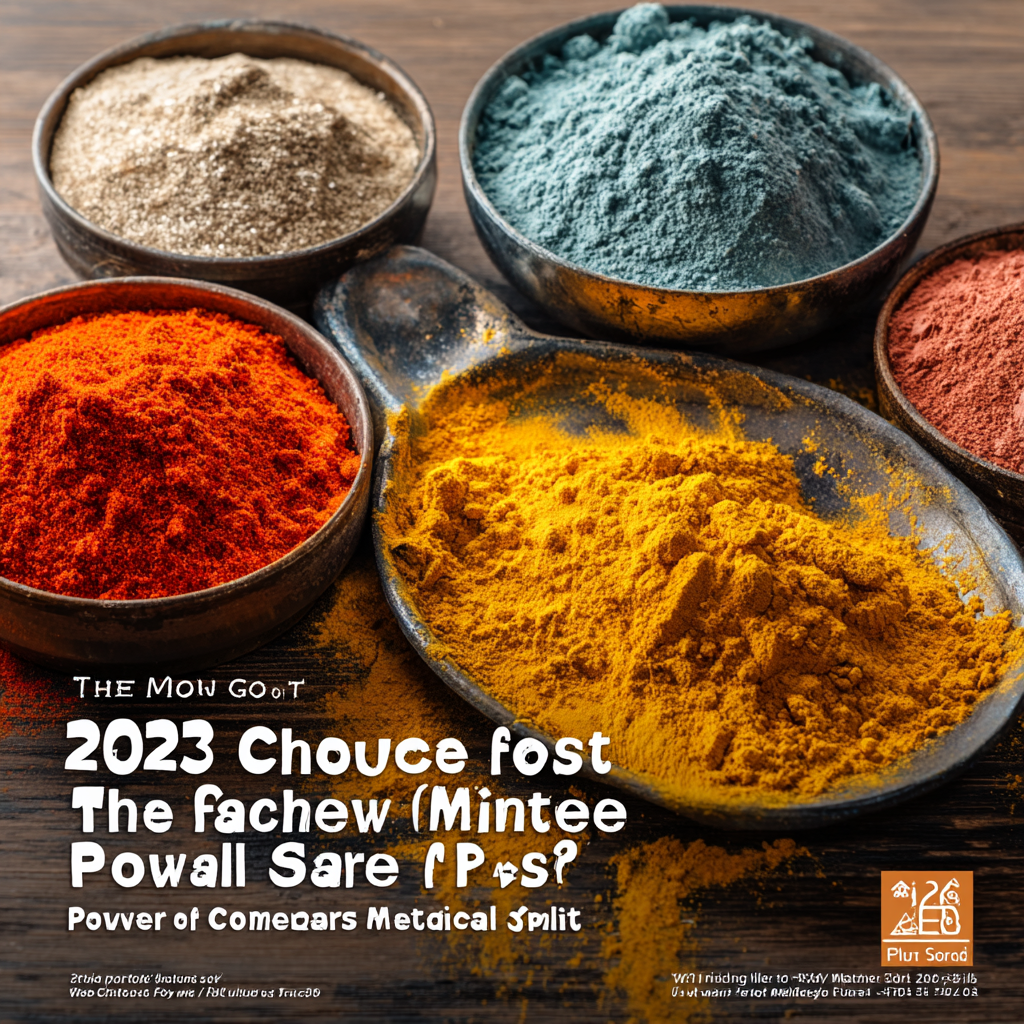
When selecting powder paint for metal surfaces, the importance of color and texture cannot be overstated. The visual impact of color plays a significant role in both aesthetics and functionality, particularly in outdoor and indoor applications. A well-chosen color can enhance the appearance of metal surfaces, making them stand out or blend seamlessly into their environment. Textural elements, such as glossiness or matte finishes, can also greatly influence how a paint interacts with light and surrounding elements, creating a desired atmosphere or feel.
Tips: Consider the context in which the metal surface will be placed. For outdoor surfaces, vibrant colors can add life and draw attention, while muted tones might be preferred for a more understated look. Additionally, think about the texture: a glossy powder finish may repel dirt and moisture better, which is essential for outdoor structures, whereas a matte finish can provide a more sophisticated appearance for indoor applications.
As manufacturers increasingly focus on sustainability, look for powder paints made from renewable materials and those that feature low environmental impact certifications. These innovations not only cater to aesthetic preferences but also align with a growing trend toward responsible and sustainable living. The right choice of color and texture can reflect personal style while supporting environmental values, leading to a more harmonious integration of design and sustainability.