How to Choose the Right Weld Metal Powder for Your Projects?
Choosing the right Weld Metal Powder can significantly impact project success. The global welding consumables market is projected to reach $18.35 billion by 2025. This growth highlights the increasing importance of quality materials. Selecting the right powder ensures optimal strength and durability in joints and structures.
Different applications demand specific types of Weld Metal Powder. For instance, stainless steel and nickel alloy powders serve varying purposes in different environments. A mismatch in powder choice can lead to defects and reduced performance. Studies also show that 30% of welding failures stem from improper material selection. Attention to detail in this area cannot be overstated.
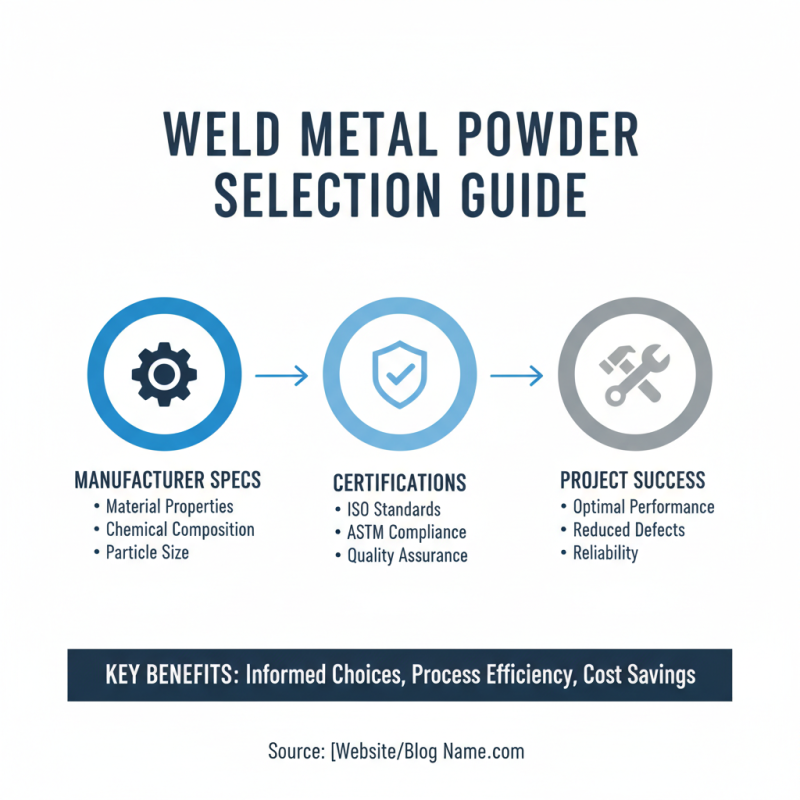
It's essential to understand the impurities and variations in Weld Metal Powder. Each batch can vary slightly, affecting the end product. Buyers must consider supplier reliability and certification. Investing time in this analysis may feel tedious, but it is crucial. Ultimately, a well-informed choice leads to safer and more effective welds.
Understanding the Different Types of Weld Metal Powders Available
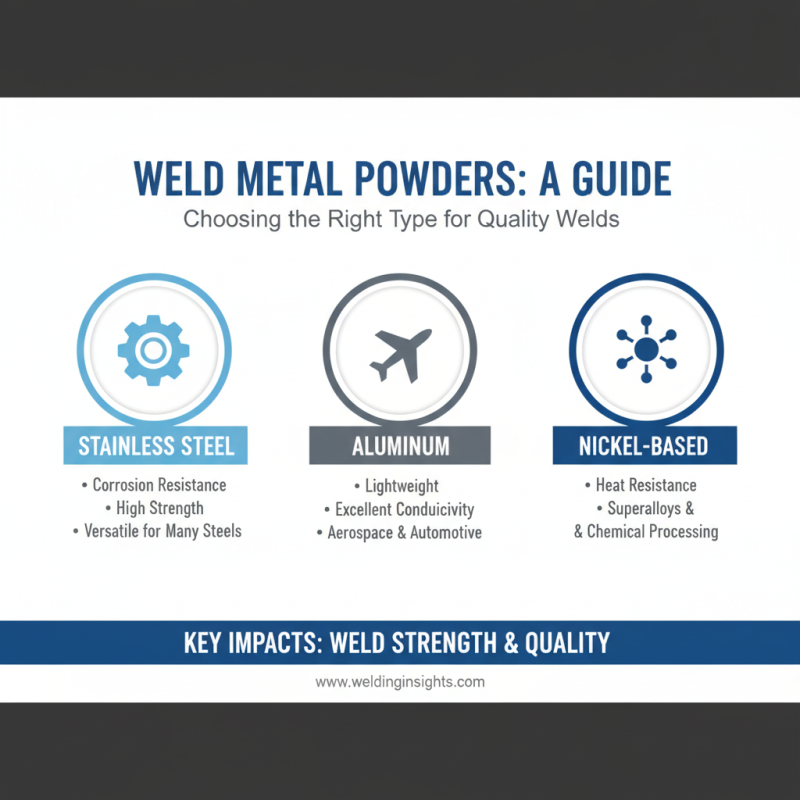
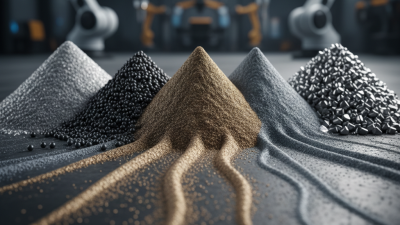
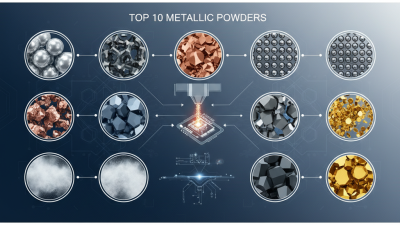
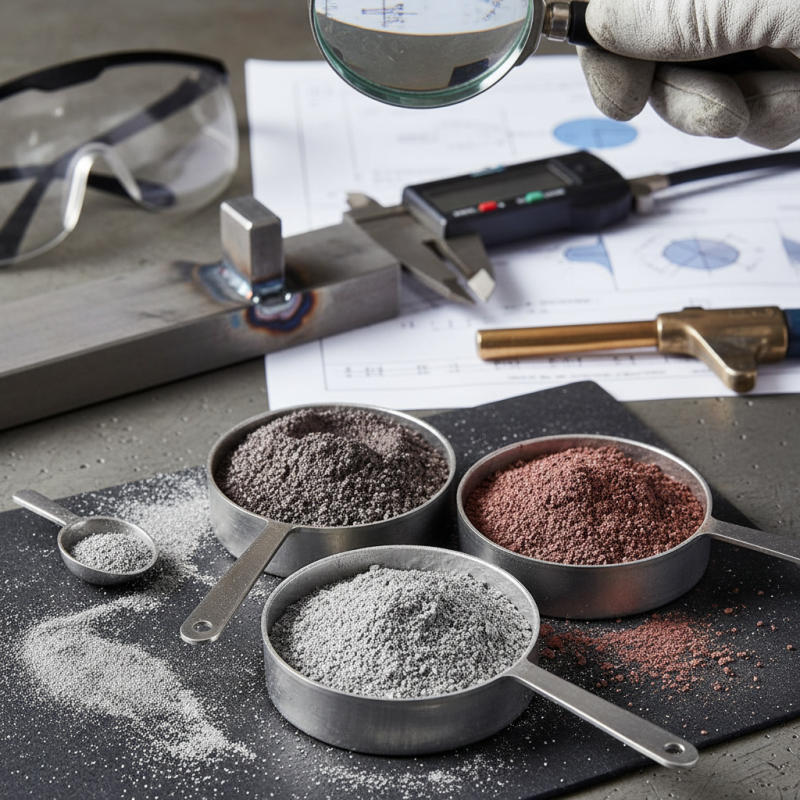
When choosing weld metal powder, it’s essential to understand the various types available. Each type serves different purposes and materials. Common options include stainless steel, aluminum, and nickel-based powders. These materials can significantly impact the quality and strength of your weld.
Stainless steel powders are popular for their corrosion resistance. They work well in environments exposed to moisture or chemicals. Aluminum powders are lightweight, making them suitable for projects that require easy handling. Nickel-based powders provide excellent high-temperature resistance. This is crucial for specific applications like aerospace or automotive components.
Tips: Always consider the base metals you are working with. The compatibility between the base metal and the weld powder is vital. Don't hesitate to reach out to professionals for advice. If you’re unsure about a material, testing on scrap pieces can save time and resources. Remember, experimenting is an essential part of the learning process. You may encounter challenges, but use them as learning opportunities to refine your skills.
Evaluating Material Compatibility for Optimal Weld Quality
Choosing the right weld metal powder is crucial for your project’s success. Evaluating material compatibility can ensure optimal weld quality. Different metals react in unique ways when welded together. Understanding these reactions is key.
Tips: Always check the melting points of metals. A mismatch can lead to weak welds.
Different alloys have distinct properties. For instance, stainless steel and aluminum behave differently under heat. Each combination requires careful assessment. Sometimes, unexpected reactions occur. For example, the presence of impurities can negatively affect weld integrity.
Tips: Test small samples before moving forward. Evaluate the weld quality and strength.
Choosing metal powder also involves considering the environment. Factors like temperature and humidity can influence weld results. Poor environmental conditions can compromise weld quality. It's essential to adapt your approach based on real-time observations.
Tips: Keep a journal of your findings. Record what works and what doesn’t.
Weld Metal Powder Selection Criteria
This chart represents the compatibility scores of different weld metal powders with various base materials. A higher score indicates better compatibility, essential for achieving optimal weld quality in your projects.
Key Considerations for Selecting Alloy Composition
Choosing the right alloy composition is essential for welding projects. Different projects require specific properties. For instance, stainless steel is great for corrosion resistance. On the other hand, carbon steel offers exceptional strength. Understanding these differences helps in selecting the right material.
Consider the welding process you will use. Some alloys work better with MIG welding, while others suit TIG. The choice can influence both the weld quality and the ease of welding. If you are not experienced, experimenting with different compositions can be beneficial. It might lead to unexpected outcomes, so keep detailed notes about your process.
Also, think about the environment where the weld will be used. High temperatures or corrosive conditions may demand specialized alloys. Not all materials hold up well under stress. It's crucial to reflect on your selections. Sometimes, the best option isn't the most obvious one. Experimentation can reveal hidden strengths in less obvious alloys.
Analyzing Deposition Rates and Their Impact on Project Efficiency
When selecting weld metal powder, understanding deposition rates is crucial. These rates directly influence efficiency and overall project timelines. A recent report from the American Welding Society indicates that optimal deposition rates can reduce project durations by up to 30%. Each project is unique, so taking the time to analyze these metrics is essential.
Higher deposition rates lead to faster builds. However, they may affect the quality of the weld. A balance must be struck between speed and strength. Using a powder with a deposition rate of 5 kg/h can be efficient for light projects, while larger applications may require 10 kg/h or more. It is vital to tailor your choice to the specific demands of your project.
Tips: Always perform test welds before scaling up. This helps identify the right deposition rate for your needs. Analyze your project's requirements carefully. Not all applications can handle high deposition rates without compromising quality. Remember, a faster process isn’t always better; quality must remain a priority.