How to Determine the Ideal Powder Coating Temperature?
Understanding the right Powder Coating Temperature is crucial for achieving a perfect finish. The temperature affects adhesion and durability. Every coating material requires specific heat levels to cure properly.
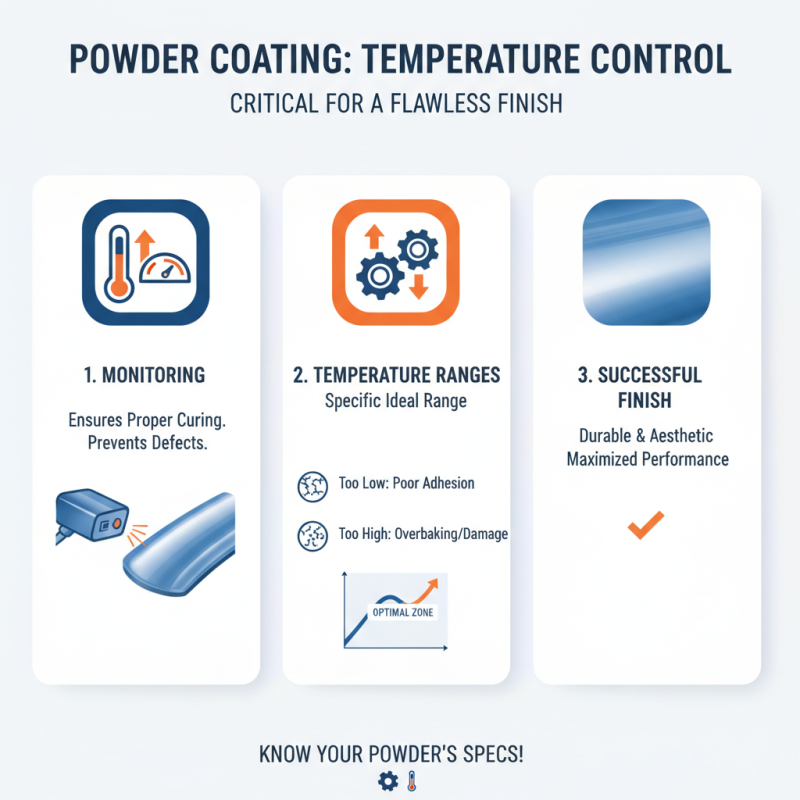
Additionally, if the temperature is too high or too low, issues can arise. Poor adhesion can lead to flaking. Overheating often results in bubbling or uneven texture. It’s vital to monitor the process closely.
Many factors influence the ideal temperature. These include the type of powder and the substrate material. Experimentation may be necessary to find the optimal setting. Learning from mistakes in this process is essential for improvement.
Understanding the Importance of Temperature in Powder Coating Process
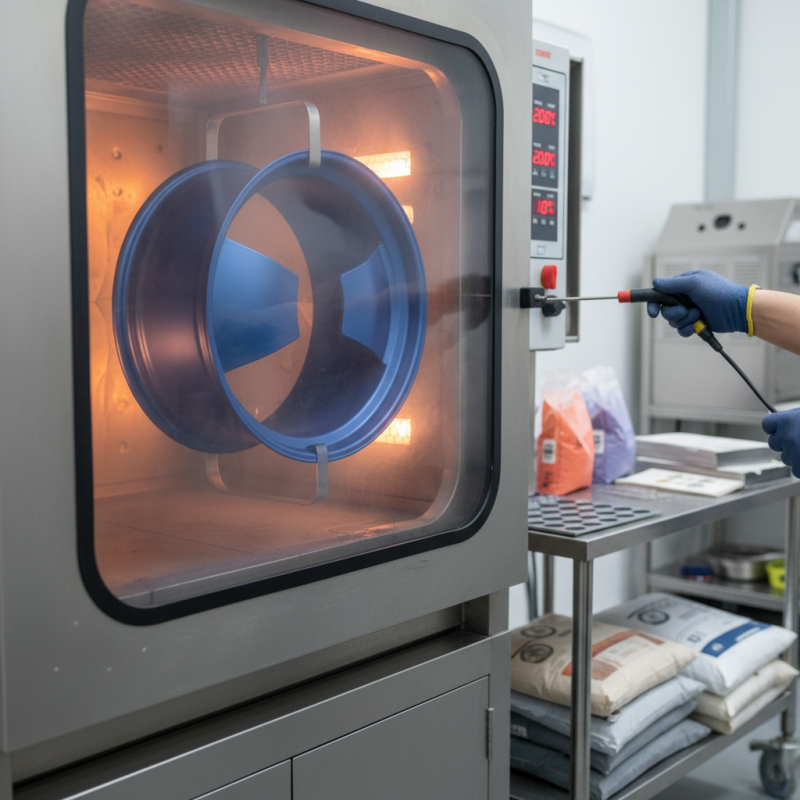
Temperature plays a crucial role in the powder coating process. Achieving the right temperature ensures that powder adheres properly to the surface. Too low a temperature may lead to insufficient curing, while too high can cause burn-off. Finding the sweet spot is essential for quality and durability.
Different materials react uniquely to heat. Metal surfaces often require different temperatures compared to plastic ones. Adjusting your heat settings can make a significant difference. Monitor your parts continuously. Look for any signs of uneven coating or bubbles. These issues may indicate a temperature problem.
Understanding the temperature within your system is vital. Various factors influence this, like oven airflow and part size. Don’t overlook these elements. Regular calibration of your equipment can save you from costly mistakes. Pay attention to these details for the best results. A bit of trial and error may be unavoidable, but it’s part of the learning curve.
How to Determine the Ideal Powder Coating Temperature?
| Temperature Range (°F) |
Ideal Coating Type |
Cure Time (Minutes) |
Common Applications |
| 350 - 400 |
Epoxy |
15-20 |
Industrial Equipment |
| 375 - 425 |
Polyester |
10-15 |
Outdoor Furniture |
| 400 - 450 |
Hybrid |
8-12 |
Automotive Parts |
| 350 - 375 |
Polyurethane |
20-25 |
Home Appliances |
| 375 - 450 |
Textured Coatings |
12-18 |
Architectural Components |
Key Temperature Ranges for Different Powder Coating Materials
When considering powder coating, temperature is crucial. Different materials require distinct temperature ranges for optimal results. For most thermosetting powders, the ideal curing temperature lies between 320°F to 400°F. This range typically ensures proper bonding without compromising material integrity.
For epoxy-based powders, a temperature of around 350°F is ideal. These powders often provide a strong, durable finish. In contrast, polyester powders usually cure well at slightly higher ranges, around 350°F to 400°F. If the temperature is too low, the powder might not flow correctly. Conversely, excessive heat could lead to surface defects.
It's vital to monitor your oven's temperatures closely. Any fluctuation can impact finish quality. Under-curing can result in poor adhesion. Over-curing can cause unsightly bubbling or discoloration. Remember, when working with different types of powder, adjust your approach. Trial and error might be necessary to find the perfect balance. Don't hesitate to make adjustments based on what works best in your situation.
Ideal Powder Coating Temperature Ranges
The following chart shows the ideal curing temperature ranges for various powder coating materials. Each material has its own specific temperature requirements to ensure optimal adhesion and finish quality.
Effects of Preheating on Powder Coating Adhesion and Finish Quality
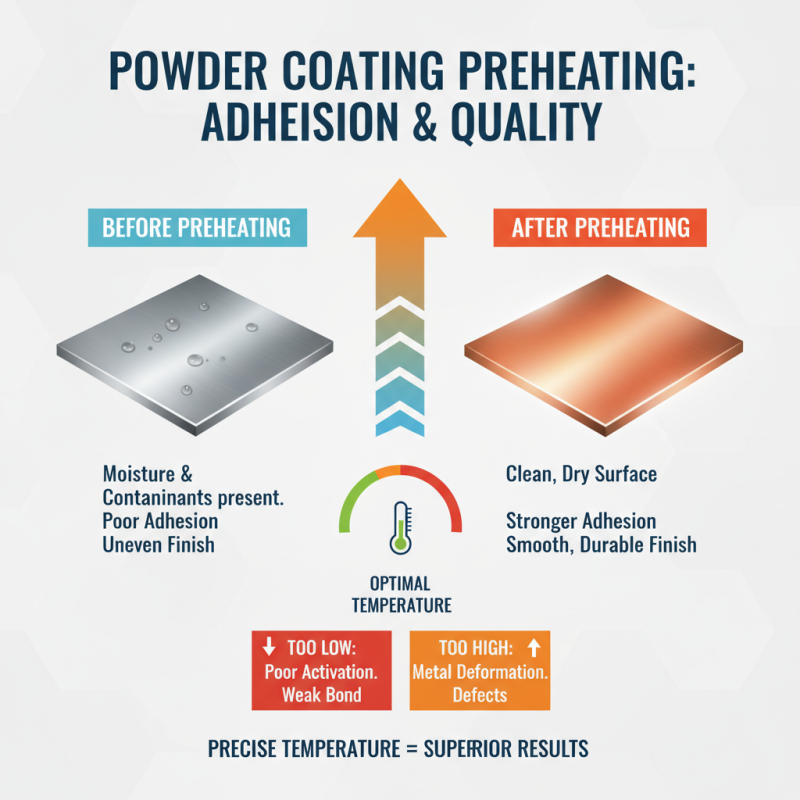
Preheating is a crucial step in powder coating that significantly impacts adhesion and finish quality. When metal surfaces are preheated, their temperatures increase. This process helps to remove moisture and contaminants that may compromise adhesion. However, the right preheating temperature is essential. Too high can cause deformation, while too low might not activate the powder coating properly.
Achieving the ideal temperature is not always straightforward. Different materials have unique properties, affecting how they respond to heat. For instance, aluminum and steel may require different preheating methods. It's common to make mistakes during this phase. Underestimating the need for even heating can lead to poor results. Similarly, excessive heat may result in bubbles or blisters in the finish.
Monitoring and adjustments are vital during preheating. Observing how the coating reacts can reveal flaws in the process. Ideal preheating often takes experimentation and practice. There may be a need for constant reflection on what works best. Each project can teach valuable lessons about the balance between temperature and finish quality. The goal is to achieve perfect adhesion while avoiding common pitfalls.
Common Temperature-Related Issues and Solutions in Powder Coating
In powder coating, temperature plays a crucial role. A common issue is the lack of adhesion. This often happens when items aren’t heated evenly. Uneven temperatures can lead to patches that won’t bond properly. To solve this, ensure the curing oven is calibrated correctly. A quick check can save time and materials.
Another issue is color inconsistency. Dark colors might require higher temperatures to cure evenly. When the temperature is too low, the finish may appear dull. In this case, increasing the temperature can enhance the finish. Regularly monitor the oven and adjust settings as needed.
It’s also important to consider ambient temperature. High humidity can affect powder flow. Decreased air circulation may cause dust accumulation on the surface. Cleaning the workspace and using proper ventilation can mitigate these effects.
Inspecting the environment is essential for achieving a flawless finish.