How to Determine the Ideal Powder Coating Temperature?
Determining the ideal powder coating temperature is crucial in achieving high-quality finishes. This temperature influences the adhesion, durability, and aesthetics of the coating. Many factors can affect powder coating temperature, including material type and ambient conditions.
Experience shows that optimal temperatures generally hover between 350°F to 400°F (175°C to 200°C). However, not all coatings react the same way. Some may require adjustments, leading to trial and error. This can frustrate even seasoned professionals, as finding the perfect balance is essential.
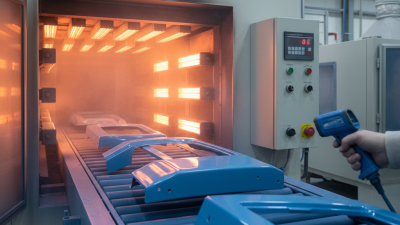
Understanding powder coating temperature is also about knowing the equipment used. Different ovens and curing times can drastically alter results. It is vital to monitor temperatures accurately. Consistent temperature control can prevent defects like poor adhesion or uneven surfaces. Engaging in this process is often a learning curve. It reveals the complexities of powder coating that many may overlook.
Understanding Powder Coating Basics
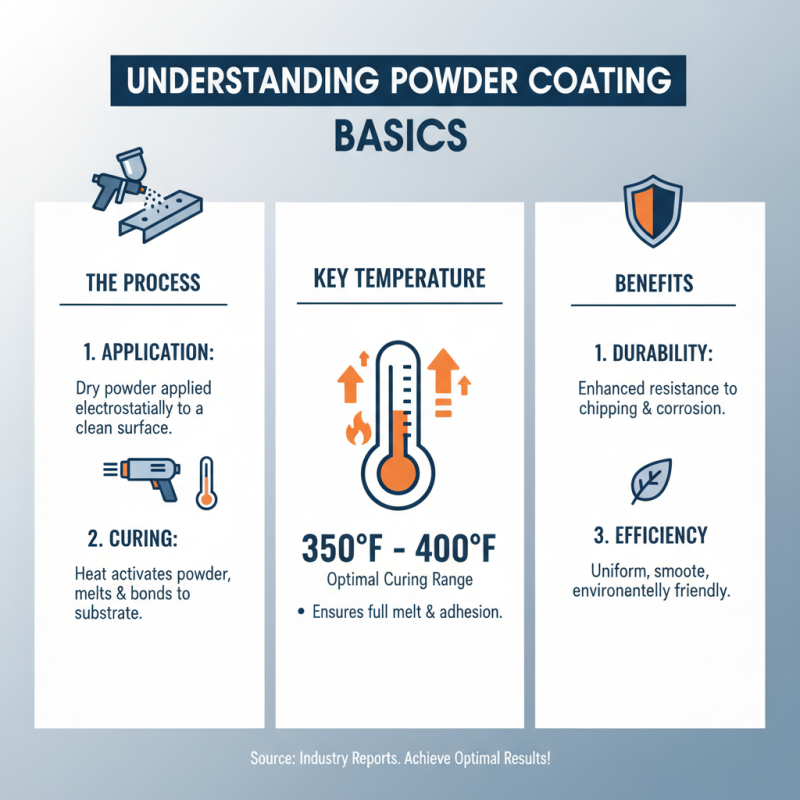
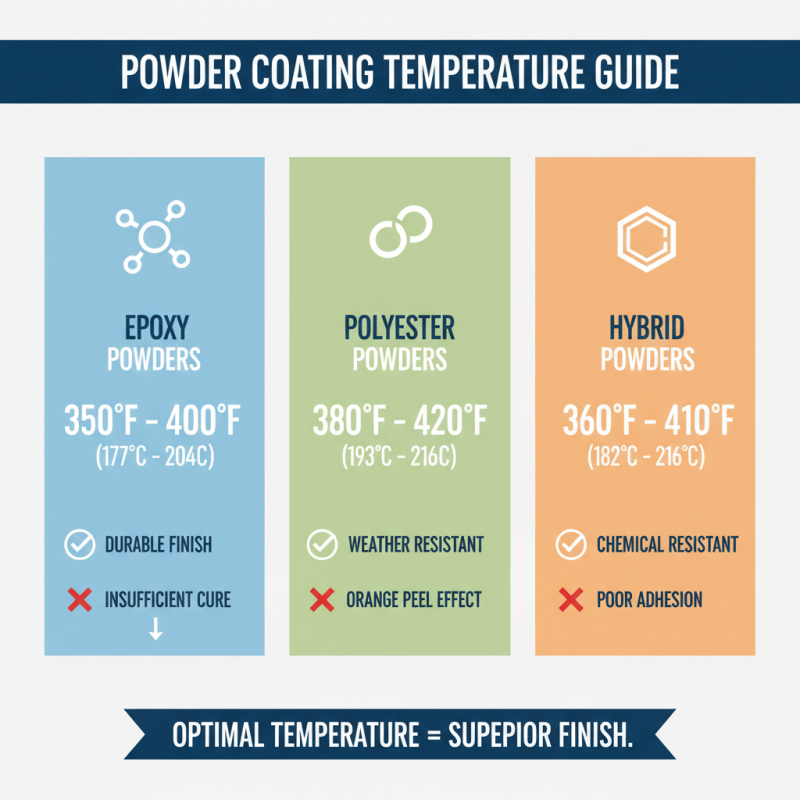
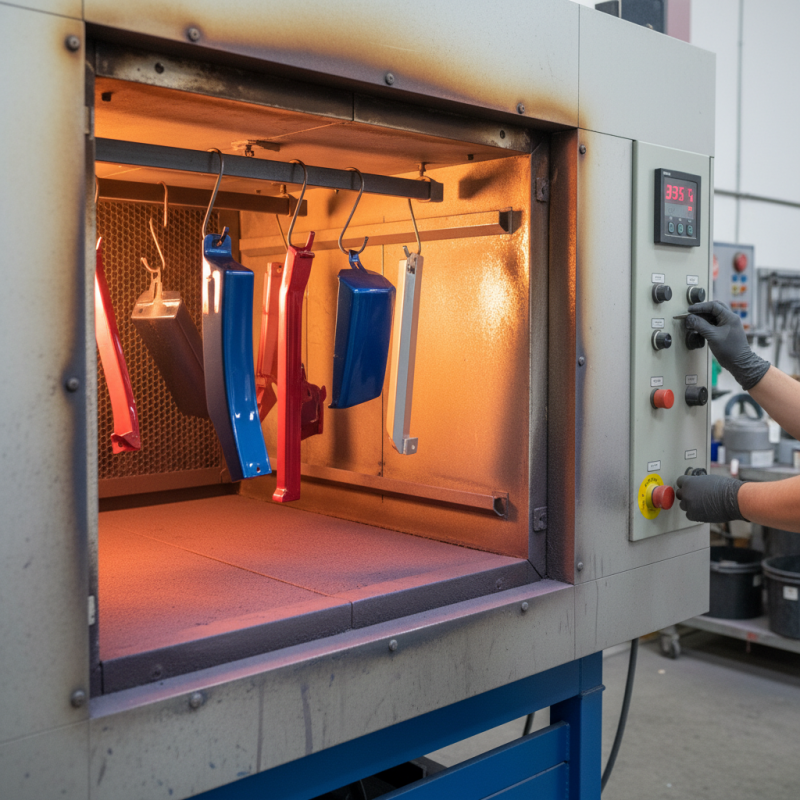
Understanding the fundamentals of powder coating is essential for achieving optimal results. It involves a process where a dry powder is applied to a surface and cured under heat. The curing temperature typically ranges between 350°F and 400°F, which allows for proper bonding and finish. According to industry reports, an ideal temperature ensures that the powder fully melts and adheres to the substrate, enhancing durability.
Incorrect temperatures can lead to coating issues. If too low, the powder may not cure properly, resulting in a dull finish. Conversely, excessive heat can cause blistering or discoloration. Data suggests that maintaining a consistent temperature is crucial; variations can lead to uneven coatings. Equipment calibration and thermal profiling are vital for this control.
Many factors affect powder coating temperature. The type of powder used, substrate material, and thickness all contribute to the overall process. It's essential to conduct regular checks on curing ovens to ensure accurate temperatures. Darker colors may absorb heat differently than lighter ones, prompting adjustments. Reflecting on these variables can significantly improve finishing quality and efficiency.
Factors Influencing Ideal Powder Coating Temperature
Determining the ideal powder coating temperature involves several crucial factors. One significant aspect is the type of powder used. Different powders require specific curing temperatures to achieve optimal adhesion. According to a 2021 industry report, epoxy powder generally cures at 350°F, while polyester powder can stabilize around 400°F. Understanding these metrics is essential for achieving the desired finish.
Another influential factor is the substrate material. Metals such as aluminum require higher temperatures compared to steel. A study indicated that aluminum needs 375°F for effective bonding. In contrast, steel may only need around 350°F. Additionally, surface preparation plays a vital role. A poorly prepared surface can lead to inconsistent heating, causing defects in the final product.
**Tips:** Always check manufacturer specifications for exact temperatures. Experimenting with a thermocouple can provide precise readings during the curing process. Keeping an eye on environmental conditions, like humidity, can also impact performance. Ideal curing should not happen in sudden temperature shifts, as this may compromise adhesion. Adjusting your approach based on these variations will lead to better outcomes in powder coating projects.
How to Determine the Ideal Powder Coating Temperature
This bar chart represents the ideal powder coating temperatures for different materials. The temperatures range from 350°F to 450°F, depending on the material and coating type.
Measuring and Maintaining Optimal Temperature During Application
Maintaining the optimal temperature during powder coating is crucial for achieving a durable finish. According to the Powder Coating Institute, the ideal temperature for most powder coatings typically ranges between 350°F to 400°F (180°C to 200°C). Deviating from this range can lead to issues like poor adhesion or uneven coverage.
Temperature monitoring devices play a vital role in this process. Using infrared thermometers can provide quick and accurate readings of the substrate temperature. Ensuring that the object reaches the recommended temperature before applying the powder is essential in achieving a uniform coating. Misjudging this can result in a finish that lacks the necessary durability, leading to premature wear.
It is also important to note that ambient temperature and humidity can influence the powder coating process. High humidity can affect the curing process. For instance, data from industry reports indicate that high moisture levels can lead to defects like pinholes or bubbling in the finish. Therefore, maintaining a proper environment is just as critical as regulating the temperature during application. Regular calibration of equipment and continuous monitoring can help mitigate these issues for superior outcomes.
How to Determine the Ideal Powder Coating Temperature? - Measuring and Maintaining Optimal Temperature During Application
| Coating Material Type |
Recommended Temperature (°F) |
Curing Time (minutes) |
Common Applications |
| Epoxy |
350 |
15-20 |
Industrial Equipment, Rims |
| Polyester |
375 |
10-12 |
Outdoor Furniture, Automotive Parts |
| Hybrid |
360 |
12-15 |
Appliances, Interior Furniture |
| Urethane |
400 |
8-10 |
Automotive, Decorative Items |
| Corrosion Resistant |
350 |
15-20 |
Pipelines, Marine Equipment |
Troubleshooting Common Issues Related to Temperature Variations
Temperature variations in powder coating can lead to various issues.
Poor adhesion is a common problem when the temperature is too low. Inadequate curing happens because the powder doesn't fully melt. This can create a rough finish or areas that appear dusty.
Conversely, too high temperatures can result in an uneven surface. The powder may bubble, warp, or even discolor.
To troubleshoot these issues, start by measuring the temperature accurately. Use a calibrated thermometer for precise readings. Inconsistent results may mean you need to adjust your equipment. However, it's not just about temperature; consider ambient conditions as well.
Dust and humidity can affect the coating process. Make adjustments based on these factors to improve results.
If problems persist, reflect on your preparation method. Surface cleaning and priming play significant roles. Often, flaws are rooted in the pre-coating stage. Consider revisiting your approach to these steps.
Small changes might lead to a smoother finish. Understanding the science behind powder coating can help you achieve optimal results despite challenges.