What is Laser Powder Bed Fusion Technology in 2026?
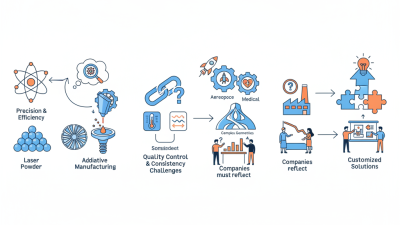
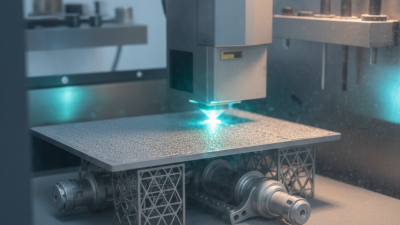
In 2026, Laser Powder Bed Fusion (LPBF) technology stands at the forefront of additive manufacturing. This innovative method uses lasers to fuse metal powders layer by layer, creating parts that are both complex and precise. Companies across various industries recognize its potential. Aerospace and automotive sectors, for example, leverage LPBF for lightweight components.
The process is not flawless. Challenges like residual stresses and warping often arise during production. These issues can lead to the need for post-processing, creating additional steps in the workflow. Regular maintenance of equipment is crucial, yet often overlooked. Users should also reflect on material selection, as different powders yield varied results.
In the evolving landscape of LPBF, continual adaptation is vital. The technology is rapidly advancing, but it requires commitment to quality and understanding of limitations. As companies innovate, they must confront these imperfections. Acknowledging them paves the way for breakthroughs, pushing the boundaries of what Laser Powder Bed Fusion can achieve.

Overview of Laser Powder Bed Fusion Technology in 2026
Laser Powder Bed Fusion (LPBF) technology is evolving rapidly in 2026. This additive manufacturing process uses a laser to melt powder materials layer by layer. It allows for complex geometries that traditional methods cannot achieve. Imagine intricate designs that once seemed impossible. This technology can produce parts with high precision and minimal waste. However, it still faces challenges in scalability.
In 2026, LPBF applications span multiple industries. Aerospace companies use it to create lightweight components. Medical devices also benefit from custom-made implants. Despite these advantages, the process can be slow. Production speed can be a bottleneck in high-demand situations. Quality control remains a pressing concern. Some parts may require extensive post-processing to meet standards.
As LPBF technology matures, it presents both opportunities and challenges. Material selection continues to expand, but compatibility issues still exist. The need for skilled operators is critical, yet training can lag behind technological advancements. This gap highlights the importance of ongoing education in the field. As innovations unfold, LPBF will definitely need to adapt continuously.
What is Laser Powder Bed Fusion Technology in 2026? - Overview of Laser Powder Bed Fusion Technology in 2026
| Aspect |
Details |
| Technology Maturity |
Advanced, widely adopted in various industries |
| Materials Used |
Metal powders, polymer powders, composite materials |
| Applications |
Aerospace, automotive, medical devices, tooling |
| Environmental Impact |
Lower waste generation compared to traditional manufacturing |
| Future Trends |
Enhanced speed, scalability, and material diversity |
| Market Growth |
Expected substantial increase in market size due to demand |
| Key Innovations |
Improved laser systems, software advancements, and automation |
| Challenges |
Residual stresses, support structure optimization |
Current Market Trends and Growth for Laser Powder Bed Fusion
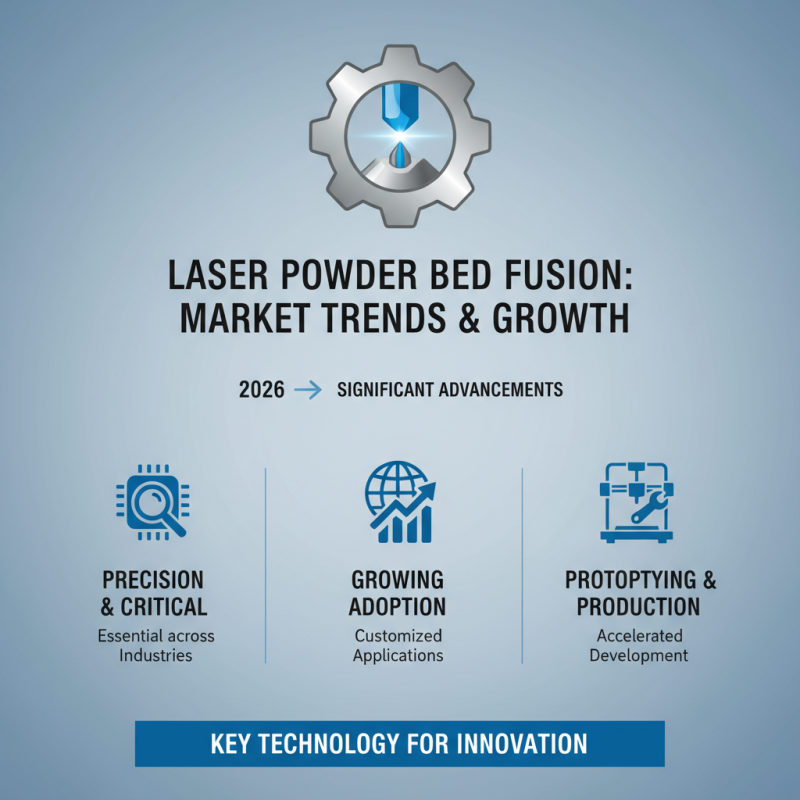
In 2026, Laser Powder Bed Fusion (LPBF) technology is experiencing significant advancements. This method, known for its precision, has become vital in various industries. Recent trends reveal a growing interest in this technology for customized applications. Users are increasingly harnessing LPBF for prototyping and production.
The market is seeing an uptick in product development aimed at reducing costs. Companies are exploring materials that enhance efficiency. While the innovation is promising, challenges exist. Equipment costs remain a barrier. There is a need for comprehensive training on LPBF systems. Moreover, the post-processing stage demands more attention.
Sustainability is another focal point. Many are questioning the environmental impact of LPBF. The energy consumption during printing is under scrutiny. While the technology offers remarkable benefits, its ecological footprint requires evaluation. Research is ongoing to address these issues. Public awareness of these concerns is growing, pushing for more responsible practices in the industry.
Key Materials and Their Impact on Laser Powder Bed Fusion Processes
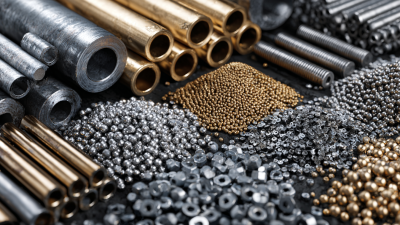
Laser Powder Bed Fusion (LPBF) technology is rapidly evolving, particularly in terms of materials used. The choice of powders significantly influences the mechanical properties and overall performance of the fabricated parts. Metal powders such as titanium and aluminum are commonly favored for their strength and lightweight nature. Recent reports indicate that the global market for titanium powders is projected to reach $300 million by 2026. This growth reflects the demand for high-performance components in industries like aerospace and biomedical.
However, the quality of the metal powders directly affects the LPBF process. Variations in particle size and morphology can lead to inconsistencies in the final product. For instance, particles that are too fine may cause flowability issues, while irregular shapes can hinder packing density. A study found that nearly 40% of LPBF failures are linked to improper powder characteristics. These challenges highlight the need for stringent quality control measures during powder preparation and selection.
Aside from metals, polymer powders are gaining attention within the LPBF sphere. They offer easier processing and are more cost-effective than metal counterparts. But, polymers often display inferior properties compared to metals. A recent analysis showed that while the polymer sector is projected to grow, achieving a mechanical performance comparable to metals remains a hurdle. Consequently, ongoing research into new materials is essential for unlocking the full potential of LPBF technology.
Laser Powder Bed Fusion Technology in 2026 - Key Materials
Advancements in Laser Technology and Their Role in 2026
In 2026, advancements in laser technology have significantly transformed the landscape of Laser Powder Bed Fusion (LPBF). The technology ensures high precision in additive manufacturing. Recent reports highlight that the global market for LPBF technology is projected to reach $1.5 billion by 2028, growing at a rate of 20% annually. This rapid growth emphasizes the increasing adoption of LPBF in various industries, including aerospace and medical sectors.
Improvements in laser systems have enabled the use of new materials. This includes titanium alloys, which are known for their strength and light weight. However, the high cost of materials remains a hurdle. Many companies still grapple with the balance between quality and production expenses. Also, the complexity of printing with fine powders can lead to issues like porosity, which affects the integrity of parts. As the technology evolves, addressing these challenges is crucial to maximize its potential.
Meanwhile, enhancing laser power and speed is pushing boundaries. Advanced laser systems now achieve speeds of 100 cm³/h. However, with speed comes the challenge of maintaining print quality. The need for real-time monitoring systems has become more crucial. Implementing these systems can lead to an increase in overall production costs. It’s a balancing act. The marriage of speed, quality, and cost is where the future of LPBF lies.
Applications and Future Directions of Laser Powder Bed Fusion Technology
Laser Powder Bed Fusion (LPBF) technology is revolutionizing manufacturing in 2026. Its applications span aerospace, automotive, and medical industries. LPBF allows for intricate designs that traditional methods cannot achieve. Reports indicate that the LPBF market is projected to grow at a compound annual growth rate (CAGR) of over 20% by 2030. Despite its promise, LPBF faces challenges, including material limitations and production speed.
In aerospace, LPBF is used for creating lightweight components that enhance fuel efficiency. Data shows that parts produced via LPBF can reduce weight by up to 30%. The medical field uses LPBF for custom implants and prosthetics. This flexibility in customization improves patient outcomes. However, inconsistent part quality remains a concern.
Tip: Always test your parameters while operating LPBF equipment. Variations can lead to significant differences in product quality. As the technology advances, further research is crucial in understanding and optimizing the materials used. This area is still evolving, and key questions about durability and cost remain unresolved.