Unleashing the Potential of Ni Powder in Advanced Manufacturing Processes for Enhanced Performance
The advent of advanced manufacturing processes has ushered in a new era of innovation, particularly with the incorporation of innovative materials. Among these,
Ni Powder stands out as a versatile and high-performance component that can significantly enhance manufacturing capabilities across various industries.
Its unique properties, including excellent thermal and electrical conductivity, corrosion resistance, and high strength-to-weight ratio, make Ni Powder an ideal candidate for applications ranging from aerospace to biomedical engineering.
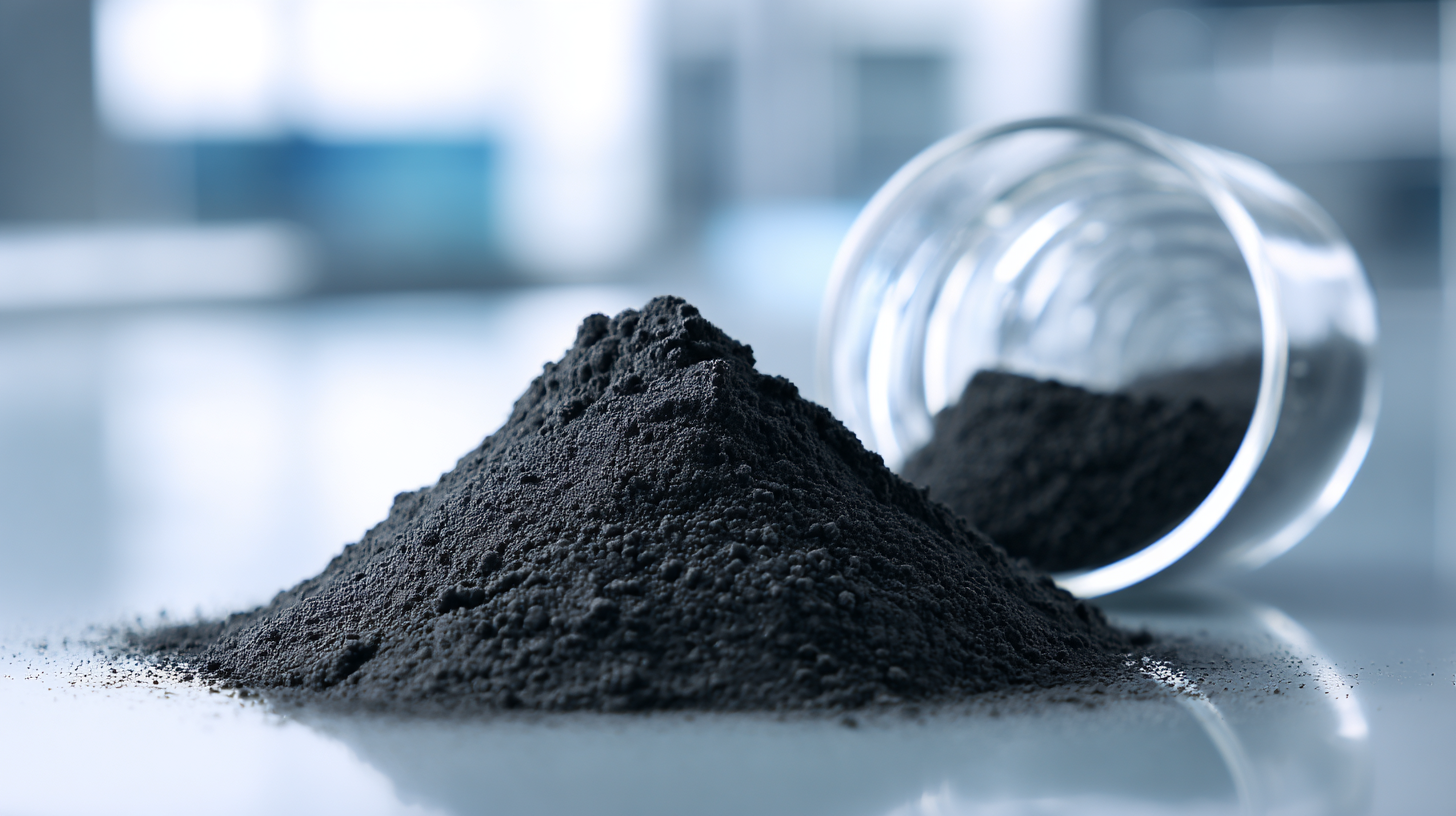
This introduction explores the transformative potential of Ni Powder, examining its role in additive manufacturing, powder metallurgy, and other advanced techniques, while highlighting how it can drive improvements in product performance, sustainability, and design flexibility.
As industries continue to seek competitive advantages and meet evolving consumer demands, the strategic utilization of Ni Powder could very well become a cornerstone of future manufacturing innovations.
Application of Ni Powder in Additive Manufacturing Techniques
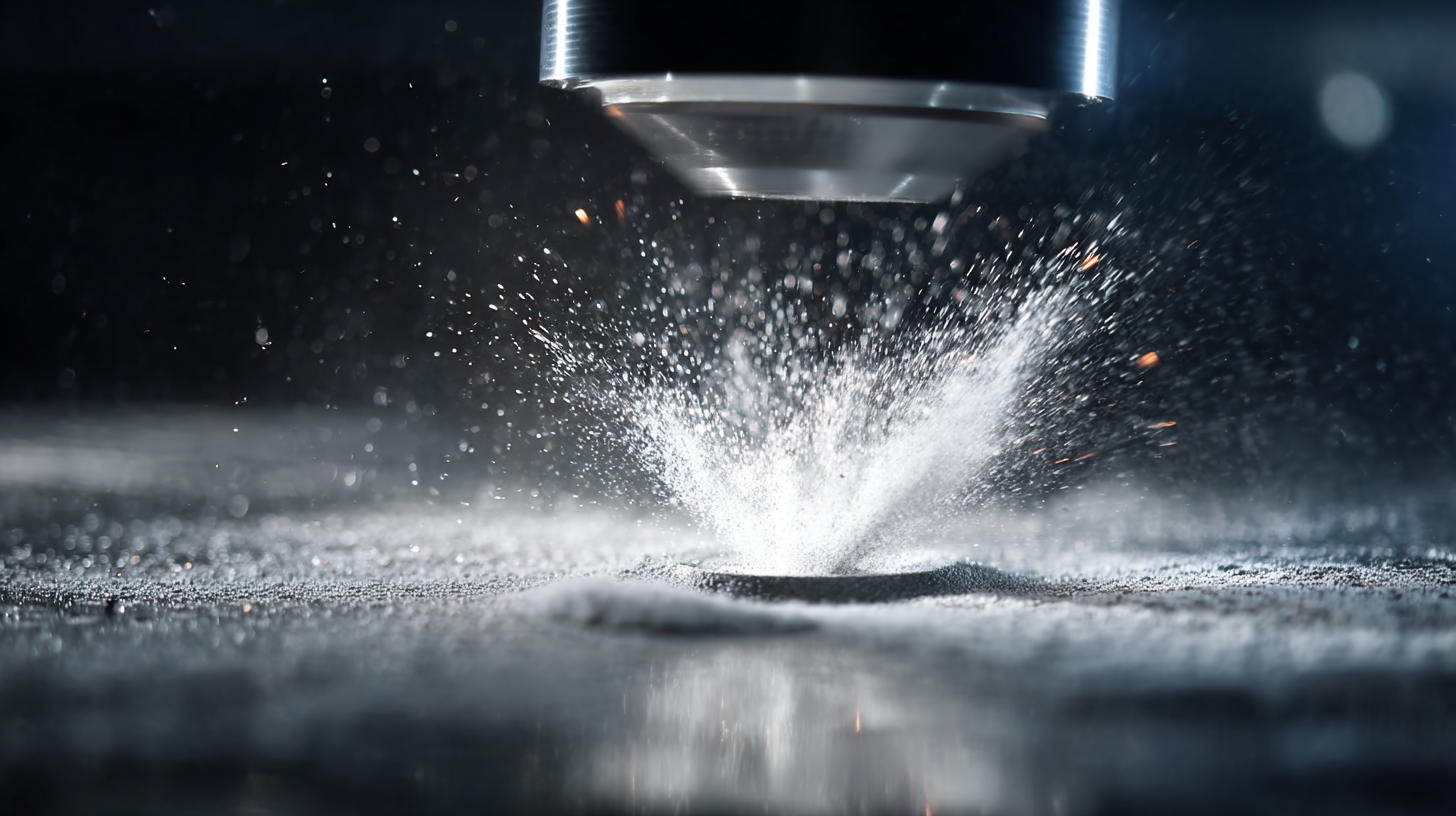
Nickel (Ni) powder has emerged as a critical material in the realm of additive manufacturing, where its unique properties enhance the performance and functionality of fabricated components. The application of Ni powder in processes such as Selective Laser Melting (SLM) and Electron Beam Melting (EBM) allows for the production of intricate geometries that are often impossible to achieve through traditional manufacturing methods. The exceptional thermal and mechanical properties of nickel enable the creation of high-strength, lightweight parts, making it ideal for industries such as aerospace and automotive.
One of the key advantages of using Ni powder in additive manufacturing is its ability to resist oxidation and corrosion, which is essential for components exposed to harsh environments. The controlled microstructure achieved during the additive process contributes to superior fatigue resistance and overall durability. As manufacturers increasingly recognize the benefits of integrating Ni powder into their processes, advancements in powder preparation techniques and printing methods are paving the way for more efficient production cycles and enhanced material performance. This evolution highlights the transformative impact of nickel powder in driving the future of advanced manufacturing technologies.
Enhancing Material Properties through Ni Powder Integration
The integration of nickel (Ni) powder into advanced manufacturing processes is revolutionizing material properties, presenting a significant opportunity for industries aiming for enhanced performance. Nickel powder, known for its excellent corrosion resistance and mechanical strength, plays a vital role in improving the structural integrity and durability of components. According to a recent report by Grand View Research, the global nickel powder market is expected to reach USD 1.3 billion by 2025, driven by demand in industries such as aerospace, automotive, and electronics. This growing interest underlines the potential of nickel powder in creating high-performance materials.
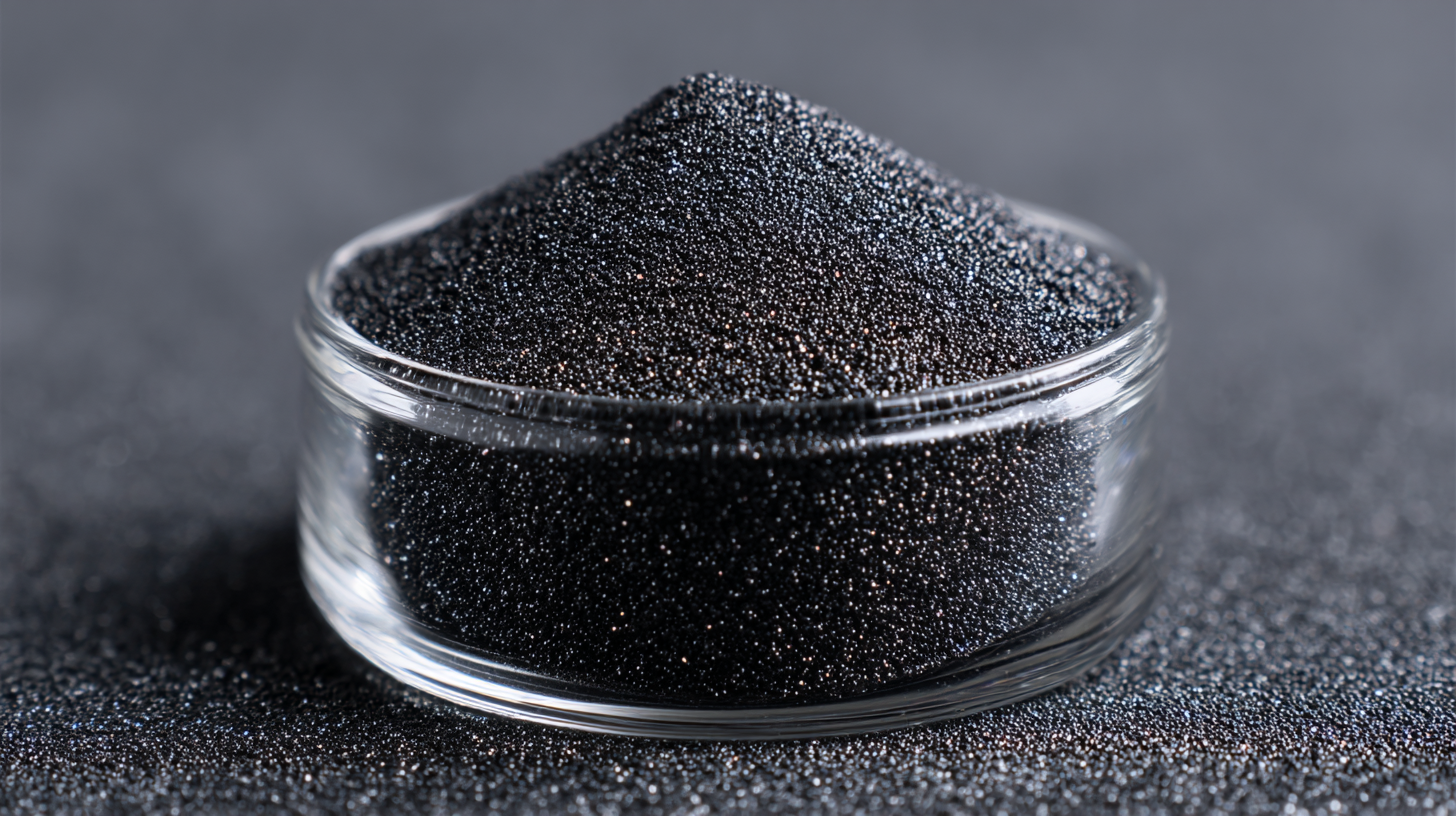
Utilizing nickel powder not only enhances material properties but also allows for innovative manufacturing techniques such as additive manufacturing and powder metallurgy. The ability to fine-tune the microstructure through controlled processing enables the development of components with superior yield strength and fatigue resistance. According to the Journal of Materials Science, parts made from nickel powder exhibit a 35% increase in tensile strength compared to those produced from traditional materials, making them ideal for high-stress applications.
Tips: When considering nickel powder integration, pay attention to particle size distribution as it plays a crucial role in the flowability and packing density of the powder, influencing the final material quality. Additionally, invest in proper processing techniques to maximize the advantages of nickel powder while minimizing costs, potentially resulting in substantial long-term savings and improved performance metrics in your final products.
Comparative Analysis of Ni Powder vs. Traditional Metal Powders
Nickel (Ni) powder has emerged as a compelling alternative to traditional metal powders in advanced manufacturing processes, particularly due to its unique properties. Unlike conventional metal powders such as aluminum or stainless steel, Ni powder demonstrates exceptional corrosion resistance and thermal stability. This allows for enhanced performance in high-temperature applications, making it an attractive choice for aerospace and automotive industries. Its high density and fine particle size also facilitate better sintering and densification, leading to improved mechanical properties in the final products.
In comparative analyses, Ni powder often shows superior flowability and packing density compared to its traditional counterparts. This results in more efficient processing and consistent part quality. Moreover, the ability to produce Ni powder with tailored morphologies significantly enhances its versatility for additive manufacturing and powder metallurgy. These advantages position Ni powder as a critical material for innovations in advanced manufacturing, promising both performance improvements and cost-effectiveness in various industrial applications.
Innovative Processes Utilizing Ni Powder for Performance Optimization
The utilization of nickel (Ni) powder in innovative manufacturing processes is paving the way for significant performance enhancements across various applications. Recent advances in energy field-assisted additive manufacturing (AM) of nickel-based superalloys have shown that the application of external energy can effectively mitigate common issues such as cracking and improve the overall microstructure of printed components. This method not only enhances printability but also results in superior mechanical properties, crucial for high-performance applications in aerospace and automotive sectors.
Furthermore, the optimization of process parameters through advanced methodologies such as Response Surface Methodology (RSM) and Random Forest Regression (RFR) demonstrates the growing sophistication in processing techniques for Ni-based alloys. These approaches enable precise control over the additive manufacturing process, facilitating the production of dense, high-quality components with tailored properties. As the demand for complex, lightweight structures increases, the ability to utilize Ni powder in such innovative methods will play a crucial role in realizing the potential of advanced manufacturing systems, ultimately leading to improved performance outcomes across diverse industries.
Unleashing the Potential of Ni Powder in Advanced Manufacturing Processes for Enhanced Performance
| Process Type |
Ni Powder Application |
Performance Metric |
Improvement (%) |
Notes |
| Additive Manufacturing |
3D Printing of Structural Components |
Tensile Strength |
25 |
Enhanced material strength due to uniform distribution. |
| Powder Metallurgy |
Manufacturing of Automotive Parts |
Wear Resistance |
30 |
Ni powder increases hardness and reduces wear. |
| Coating Technology |
Surface Coating for Corrosion Resistance |
Corrosion Rate |
40 |
Significant improvement in longevity of components. |
| Electroforming |
Creating Complex Shapes |
Dimensional Accuracy |
20 |
High precision in manufacturing. |
| Sintering |
High-density Ni Products |
Density |
15 |
Improved density leads to better mechanical properties. |
Challenges and Solutions in the Use of Ni Powder in Manufacturing
The use of nickel (Ni) powder in advanced manufacturing processes has gained significant attention due to its superior mechanical properties and corrosion resistance. However, several challenges accompany its application. One prominent issue is the agglomeration of Ni powder during processing, which can lead to inconsistent material properties and inferior product performance. To address this, innovative powder processing techniques, including the use of dispersing agents and advanced mixing methods, can ensure a more uniform distribution of particles, enhancing flowability and packing density.
Another challenge is the high reactivity of nickel powder, particularly in the presence of moisture, which can cause oxidation and negatively affect the final product's integrity. Employing controlled atmosphere environments during handling and processing can mitigate these effects. Additionally, surface treatments that enhance the powder's stability can prolong shelf life and improve its performance in final applications. By overcoming these obstacles, manufacturers can unlock the full potential of Ni powder, leading to advancements in various industries, from aerospace to medical devices.