What is Powder Metal Coating and How Can It Benefit You?
Powder Metal Coating is revolutionizing many industries. This innovative process enhances the durability and performance of metal components. According to a report by Grand View Research, the global powder coating market was valued at over $11 billion in 2020, with significant growth projected. Industry experts, like Dr. James R. Porter, emphasize the importance of this technology. He states, “Powder Metal Coating offers unmatched resistance to wear and corrosion, significantly extending lifespan for various applications.”
The benefits of Powder Metal Coating are numerous. It provides a uniform finish and is environmentally friendly compared to traditional coatings. In addition, it can reduce production waste and energy consumption. However, it is crucial to recognize that not all applications may benefit equally. Precise requirements for surface preparation and application can be challenging. As Dr. Porter notes, “Understanding the specific needs of your components is essential to leverage the advantages of Powder Metal Coating effectively.”
As the industry evolves, the demand for precision and quality in Powder Metal Coating will undoubtedly increase. Companies must stay informed about advancements and best practices. This ongoing learning process can help mitigate the risks associated with improper application and ensure maximum benefits.
What is Powder Metal Coating?
Powder metal coating is a process that involves applying powdered particles to a surface. This technique is gaining momentum in various industries for its durability and aesthetic appeal. Typically, the powder is made from a mixture of resin and pigments. Once applied, the surface is heated, allowing the powder to melt and fuse together. This results in a strong, even coating that adheres well to the substrate.
One of the notable benefits of powder metal coating is its resistance to wear and corrosion. Unlike traditional liquid coatings, the powder coating creates a tougher finish that can withstand harsh environmental conditions. Applications vary widely, from automotive parts to household appliances, showcasing its versatility. Businesses often find that this coating leads to increased product longevity and reduced maintenance costs.
While the process has many benefits, it is not without its challenges. For instance, the initial investment in equipment can be significant. Furthermore, achieving the perfect finish requires careful attention to detail and experience. Improper application can lead to unsatisfactory results. Thus, companies must weigh the pros and cons thoroughly before deciding on powder metal coating for their projects.
Advantages of Powder Metal Coating for Various Industries
Powder metal coating has gained popularity across various industries for a multitude of reasons. This technique involves applying a dry powder material to surfaces, which is then cured under heat. One significant advantage is its ability to enhance durability. Coated parts resist scratching and corrosion, making them suitable for harsh environments.
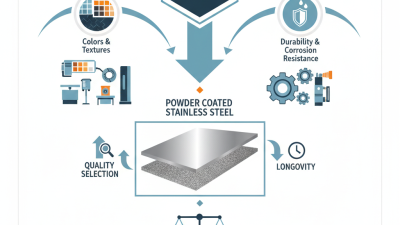
In addition, powder metal coatings provide excellent aesthetic options. Colors and textures can be customized easily, allowing manufacturers to meet specific design requirements. This customization benefits industries such as automotive and consumer goods. However, achieving a consistent finish can sometimes be challenging. Proper surface preparation is crucial for avoiding imperfections.
Another notable benefit is the environmentally friendly nature of powder coating. Compared to traditional liquid coatings, it produces less waste and requires no solvents. Despite its advantages, the initial setup cost can be higher. Companies must weigh these factors before making decisions. Overall, powder metal coating presents valuable options for enhancing both the performance and appearance of products across diverse sectors.
What is Powder Metal Coating and How Can It Benefit You? - Advantages of Powder Metal Coating for Various Industries
| Industry |
Advantages of Powder Metal Coating |
Applications |
| Automotive |
Durability, corrosion resistance, improved aesthetics |
Wheel rims, engine components, chassis parts |
| Aerospace |
Lightweight, high performance, resistance to extreme temperatures |
Landing gear, structural components, brackets |
| Construction |
Enhanced protection against wear and tear, long-lasting finish |
Bolts, connectors, supports |
| Electronics |
Electrically isolating properties, customizable finishes |
Casings, connectors, circuit boards |
| Health Care |
Biocompatibility, sterility, resistance to chemicals |
Surgical instruments, implants, medical devices |
| Consumer Goods |
Variety of colors, finishes and textures, environmental friendliness |
Furniture, appliances, sporting goods |
How Powder Metal Coating is Applied to Surfaces
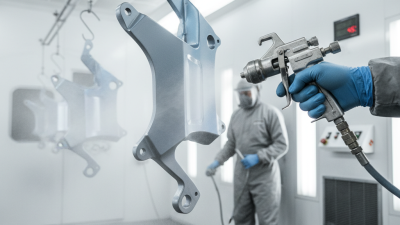
Powder metal coating is a unique method that enhances surface durability. This process involves applying a fine powder to metal surfaces. The powder is electrostatically charged, allowing it to adhere well to the surface. Heat is then applied, fusing the powder into a smooth, solid layer.
The application typically occurs in controlled environments. Technicians prepare the surfaces meticulously to ensure the best adhesion. They often sand or clean the metal surfaces beforehand. This attention to detail can significantly impact the outcome. Occasionally, imperfections may arise, needing careful inspection post-application.
Powder coating offers several advantages. It enhances resistance to corrosion and wear while providing an aesthetically pleasing finish. However, achieving uniformity can occasionally be a challenge. Technicians must remain vigilant to avoid uneven coatings. Ultimately, mastering this technique requires experience and precision, which is worth the effort for long-term benefits.
Benefits of Powder Metal Coating
This chart illustrates the various benefits of powder metal coating, rated on a scale from 1 to 10. Each dimension reflects the efficiency and effectiveness of this coating method across critical attributes such as corrosion resistance, durability, finish quality, cost efficiency, and environmental safety.
Comparing Powder Metal Coating to Traditional Coating Methods
When considering metal coatings, powder metal coating stands out in comparison to traditional methods. Traditional coating often involves liquid paints that can drip and run. In contrast, powder metal coatings provide an even, durable finish without excess mess. According to industry reports, powder coatings have a transfer efficiency of about 98%, while traditional methods can be as low as 40%. This efficiency significantly reduces material waste and can impact project costs positively.
The durability of powder coatings also sets them apart. They resist chipping, scratching, and fading. This is particularly beneficial in industries where longevity is essential. Data from the Coatings Research Group indicates that powder-coated surfaces last significantly longer than those treated with conventional liquid paints. However, applying a powder coating requires careful surface preparation. Failing to do so could lead to adhesion failure and reduced performance.
Despite these advantages, there are challenges with powder metal coatings. Notably, while they are effective for many applications, some finishes may not reach the same level of gloss or color variety as liquid counterparts. Companies must weigh these factors during the selection process. Feedback from industry experts suggests that understanding these nuances is crucial when choosing the right coating method for specific applications.
Common Applications and Uses of Powder Metal Coating
Powder metal coating is gaining traction across various industries due to its unique properties. This coating method is ideal for applications in automotive, aerospace, and medical sectors, as it enhances wear resistance and durability. Industry reports indicate that around 30% of automotive components benefit from powder coatings. This improvement significantly extends the lifecycle of parts, allowing manufacturers to reduce costs.
In the aerospace industry, powder metal coatings are increasingly used to mitigate corrosion. A study highlighted that 40% of maintenance costs are attributed to corrosion-related issues. Using powder coatings can lessen these expenses. The medical device sector also adopts this technology, enhancing biocompatibility and hygiene. Powder coatings can achieve a smooth, easy-to-clean surface, vital for surgical instruments and implants.
Challenges arise when considering the reliance on specific techniques. Not all metal surfaces can be effectively coated with powder due to varying compositions. Testing is essential before implementing coating solutions. These factors merit cautious strategizing in the coating process to ensure results meet expectations.