Revolutionizing Powder Manufacturing: Innovative Techniques for Enhanced Efficiency and Quality
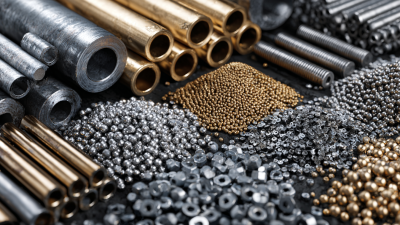
In the rapidly evolving landscape of modern manufacturing, Powder Manufacturing stands out as a critical component, playing a pivotal role in various industries such as metal fabrication, pharmaceuticals, and ceramics. According to a recent report by Grand View Research, the global powder metallurgy market is projected to reach USD 27.3 billion by 2025, driven by advancements in technology and increasing demand for high-performance materials. Innovative techniques in Powder Manufacturing not only enhance the efficiency of production processes but also significantly improve the quality and performance characteristics of the final products. As companies strive for greater sustainability and cost-effectiveness, embracing cutting-edge technologies such as additive manufacturing and advanced powder processing will be essential. This article delves into the transformative strategies that are reshaping the Powder Manufacturing sector, setting the stage for unprecedented operational efficiency and superior product quality.
Exploring Advanced Powder Manufacturing Techniques: Key Innovations for the Industry
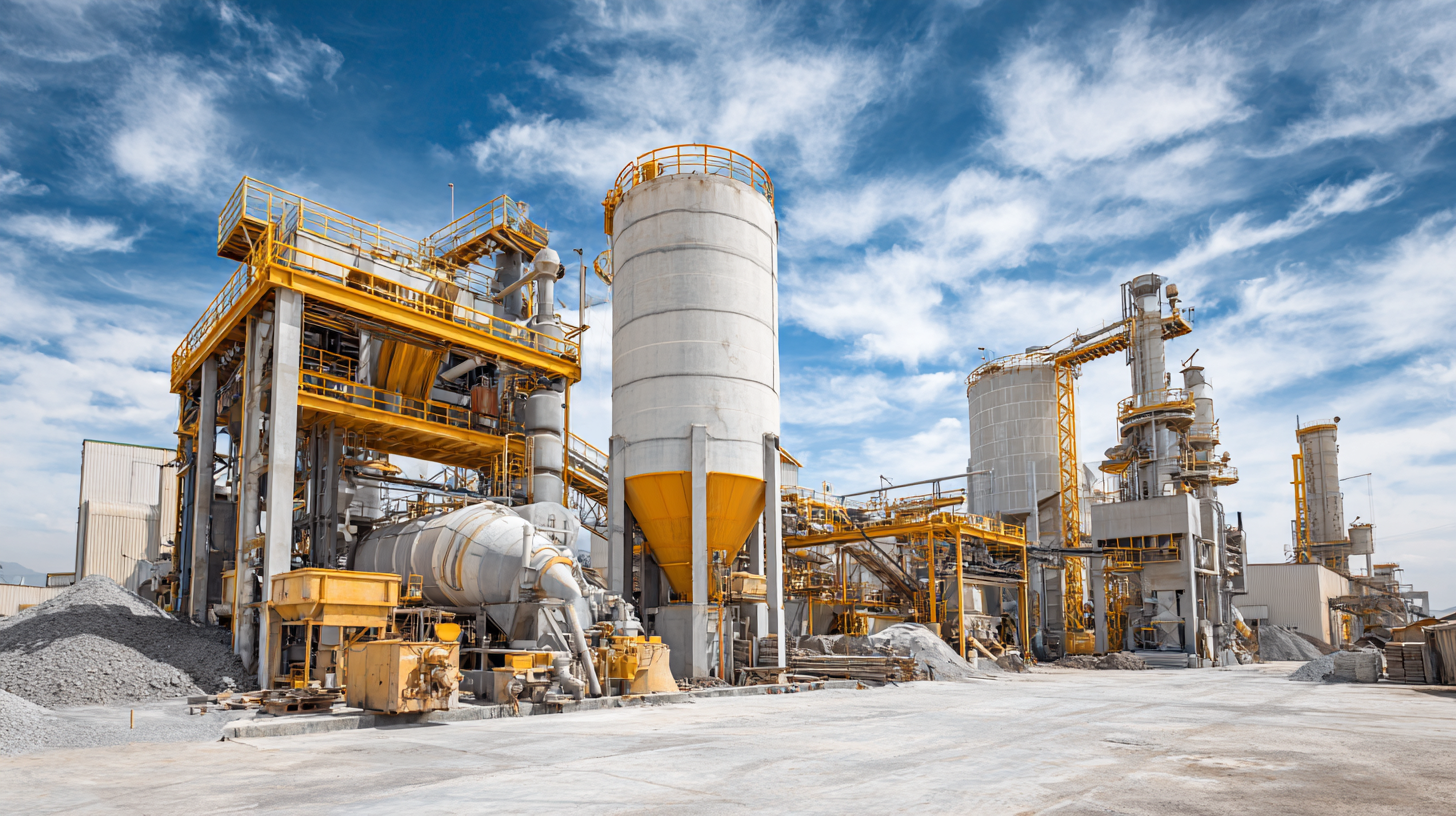
The landscape of powder manufacturing is undergoing a significant transformation, driven by the adoption of advanced techniques that enhance efficiency and product quality. Innovations such as high-performance powder formulations are emerging, particularly in sectors like adhesives, coatings, ceramics, and agriculture. The introduction of new materials, such as specialty metal powders, is expected to accelerate the trend of additive manufacturing, catering to growing demands across automotive and aerospace industries.
Tips for manufacturers looking to adopt these innovations include closely monitoring market trends to identify specialized powder applications, which have shown increasing demand. Investing in research and development can lead to breakthrough technologies that redefine product offerings. Additionally, collaboration with industry leaders can provide insights into sustainability practices, essential for aligning with global market shifts towards environmentally-friendly manufacturing processes.
The rise of 3D printing in powder metallurgy showcases the potential for creating complex, high-performance components that meet specific industry needs. As applications in fields like orthopedic surgery and drug delivery evolve, leveraging advanced powder techniques will be crucial for maintaining competitiveness in the market. Manufacturers should ensure continuous improvement in their processes to adapt to these dynamic advancements.
Implementing Automated Processes to Streamline Powder Production Efficiency
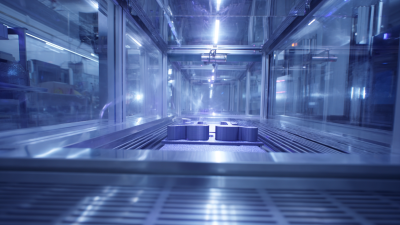
The implementation of automated processes in powder manufacturing is transforming the industry by enhancing both efficiency and quality. Traditional methods often involve manual handling, which can lead to inconsistencies and inefficiencies. By integrating automation, manufacturers can ensure precise control over the production stages, from mixing to milling, and ultimately to packaging. This shift not only minimizes human error but also accelerates production rates, allowing manufacturers to meet increasing market demands without compromising quality.
Moreover, automation facilitates real-time monitoring and data collection throughout the production cycle. Advanced technologies such as IoT sensors and machine learning algorithms enable manufacturers to analyze operational parameters continuously. This capability allows for immediate adjustments, ensuring optimal conditions are maintained and reducing waste. With predictive maintenance integrated into these automated systems, manufacturers can preemptively address equipment issues, further enhancing overall efficiency. As a result, automated processes are revolutionizing powder production, making it more responsive, scalable, and aligned with the evolving needs of the industry.
Utilizing Additive Manufacturing for Enhanced Powder Quality and Versatility
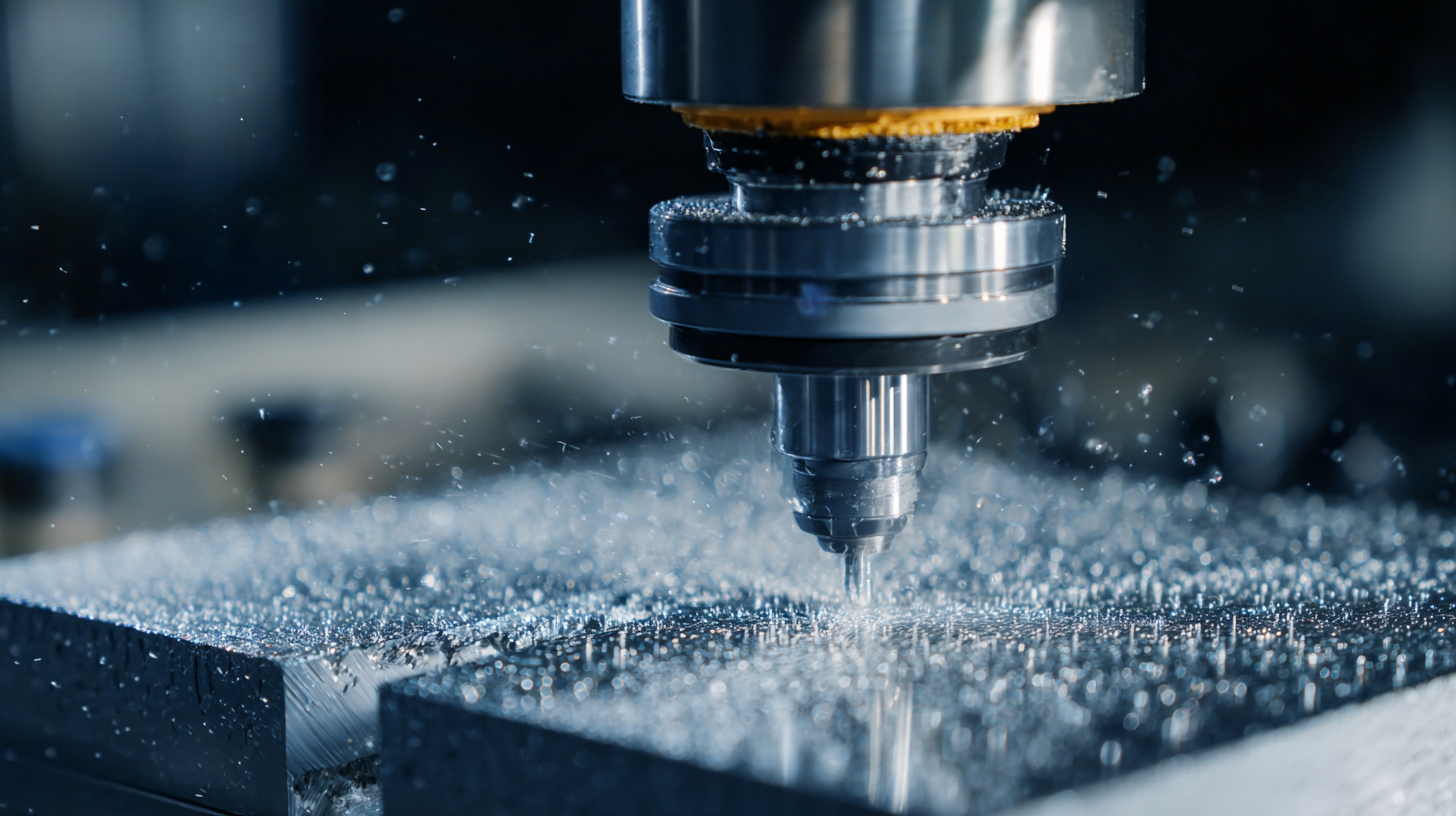
The integration of additive manufacturing techniques in powder manufacturing offers a transformative approach to enhance both quality and versatility. By leveraging advanced technologies such as 3D printing, manufacturers can produce powders with tailored properties, optimized for specific applications. This innovative process enables the creation of complex geometries and intricate designs that traditional methods struggle to achieve. As a result, the refined control over particle morphology and size distribution leads to higher performance in end products, ensuring they meet stringent industry standards.
Additionally, additive manufacturing facilitates a more sustainable approach to powder production. With the ability to produce materials on-demand, manufacturers can significantly reduce waste associated with conventional subtractive methods. Furthermore, the versatility of additive manufacturing allows for the rapid prototyping and iteration of new powder materials, encouraging ongoing research and development. This capacity for swift adaptation to market needs is essential in today’s fast-paced industrial landscape, driving continuous improvement in quality and efficiency in powder manufacturing.
Integrating Smart Technologies for Real-Time Monitoring in Powder Manufacturing
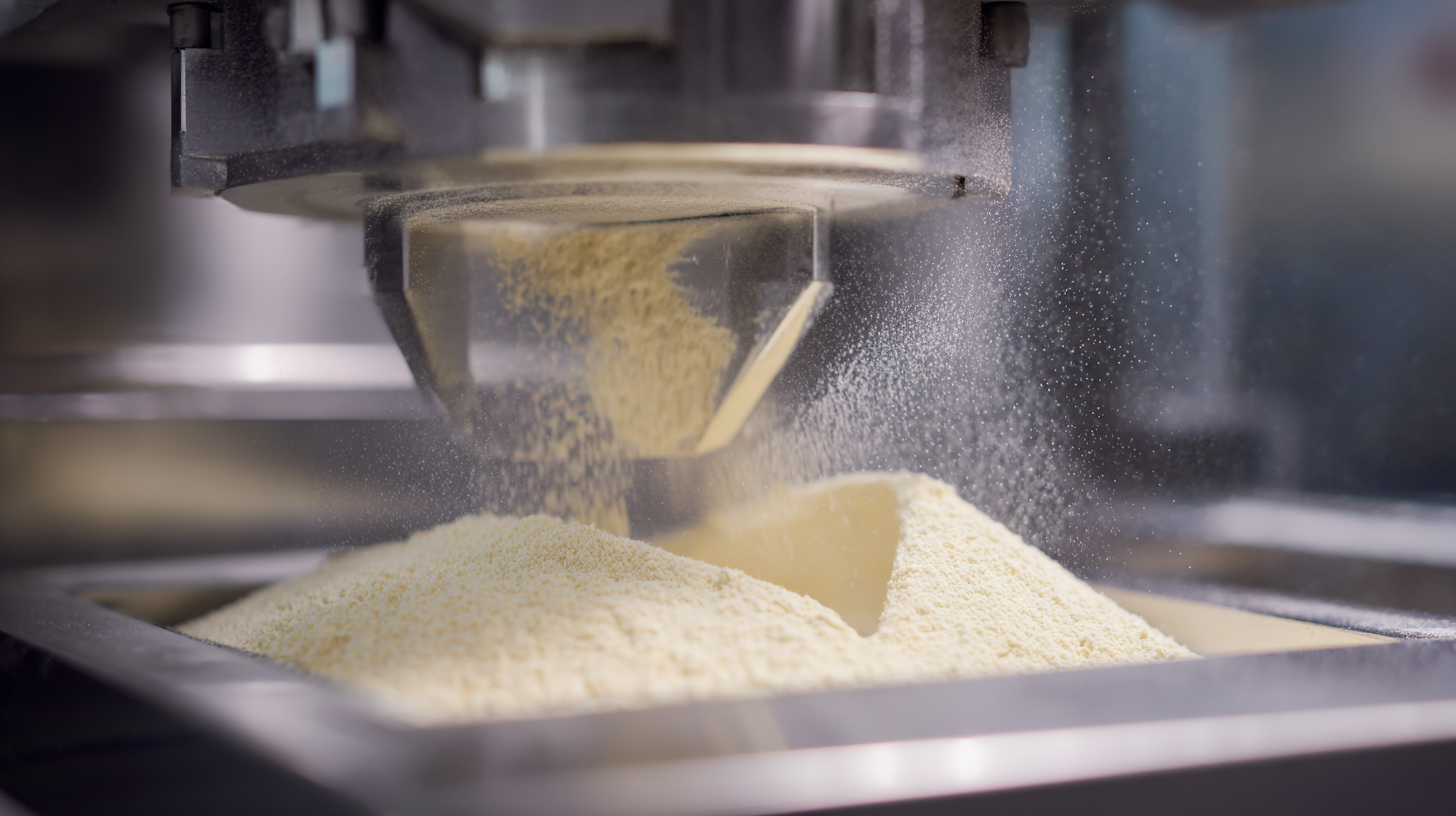
The integration of smart technologies in powder manufacturing is reshaping the industry landscape, particularly through the implementation of real-time monitoring systems. According to industry reports, the level sensor market is projected to reach significant growth, with contact and non-contact liquid level sensors driving advancements across sectors. In particular, ultrasonic, capacitive, and radar sensor technologies are leading the way, enhancing process efficiency and ensuring product quality. This trend is crucial in sectors like pharmaceuticals and food processing, where precision in powder measurements is paramount.
Moreover, the adoption of smart sensors allows manufacturers to gain real-time insights into operational processes, facilitating predictive maintenance and reducing downtime. A recent analysis indicated that the implementation of these smart technologies can decrease manufacturing costs by up to 20% while improving overall product quality. As manufacturers embrace these innovations, the combination of enhanced efficiency and quality assurance positions the powder manufacturing sector for transformative growth and competitiveness in an increasingly automated industrial era.
| Revolutionizing Powder Manufacturing: Innovative Techniques for Enhanced Efficiency and Quality |
| Technique |
Efficiency Improvement (%) |
Quality Enhancement (%) |
Real-Time Monitoring Capability |
| Additive Manufacturing |
30% |
25% |
Yes |
| Dry Powder Processing |
40% |
15% |
No |
| Wet Granulation |
20% |
35% |
Yes |
| Fluidized Bed Technology |
25% |
30% |
Yes |
| Continuous Flow Processing |
35% |
20% |
No |
Sustainable Practices in Powder Manufacturing: Reducing Waste and Energy Consumption
In the realm of powder manufacturing, sustainability has emerged as a pivotal focus, driving companies to rethink their processes to minimize waste and energy consumption. Traditional manufacturing methods often produce considerable offcuts and excess materials, leading to increased costs and environmental burdens. Adopting innovative techniques such as closed-loop systems and advanced recycling processes can significantly reduce waste, turning by-products into valuable inputs for future production cycles.
**Tips:** Consider implementing a waste audit to identify key areas where materials are being wasted. This can help streamline processes and find new opportunities for recycling.
Energy consumption is another critical factor where manufacturers can improve their sustainability practices. By utilizing renewable energy sources and investing in energy-efficient machinery, companies can not only cut down on their carbon footprint but also lower operational costs. Innovations such as real-time energy monitoring systems can aid in optimizing production schedules to align with peak energy efficiency periods.
**Tips:** Explore partnerships with local renewable energy providers to source cleaner energy for your manufacturing facility, which can significantly reduce both costs and environmental impact.