- Home
- >
- Knowledge Center
- >
- Blogs
Blogs
Sharing knowledge is key to an innovative and healthy industry! This knowledge center is therefore a central place on our website to share information. Read all about our industry in the blogs below!
7 Tips for Buying Iso Tank Fittings
Iso Tank Fittings may be small components, but their performance can affect loading, discharge, cleaning, and cargo containment. A valve that does not seat cleanly or a gasket made from an unsuitable material can create delays and costly rework. The right choice depends on the tank, the cargo, operating conditions, and the required connection—not appearance alone.
Industry scale makes careful selection practical, not merely theoretical. The International Tank Container Organisation’s 2024 report estimated the global tank container fleet at about 801,800 units in January 2024. UNCTAD’s Review of Maritime Transport 2024 reported that maritime trade volumes grew by 2.4% in 2023. These figures describe a busy, extensive logistics network; they do not prove that every fitting is interchangeable. Specifications still matter.
This guide outlines seven checks for buyers: compatibility, materials, pressure and temperature ratings, connection dimensions, certification documents, supplier quality, and lifecycle support. Ask for drawings and traceable product records, then compare them with the tank’s equipment details and the intended service. A polished datasheet is useful, but it cannot answer every question. Sometimes, the overlooked detail is the one that causes trouble. Verify assumptions with a qualified tank or equipment professional before ordering, especially when specifications are incomplete. The aim is not simply to find a fitting that fits. It is to choose one supported by clear evidence and suitable for its actual operating conditions.
Understanding Iso Tank Fittings and Their Functions
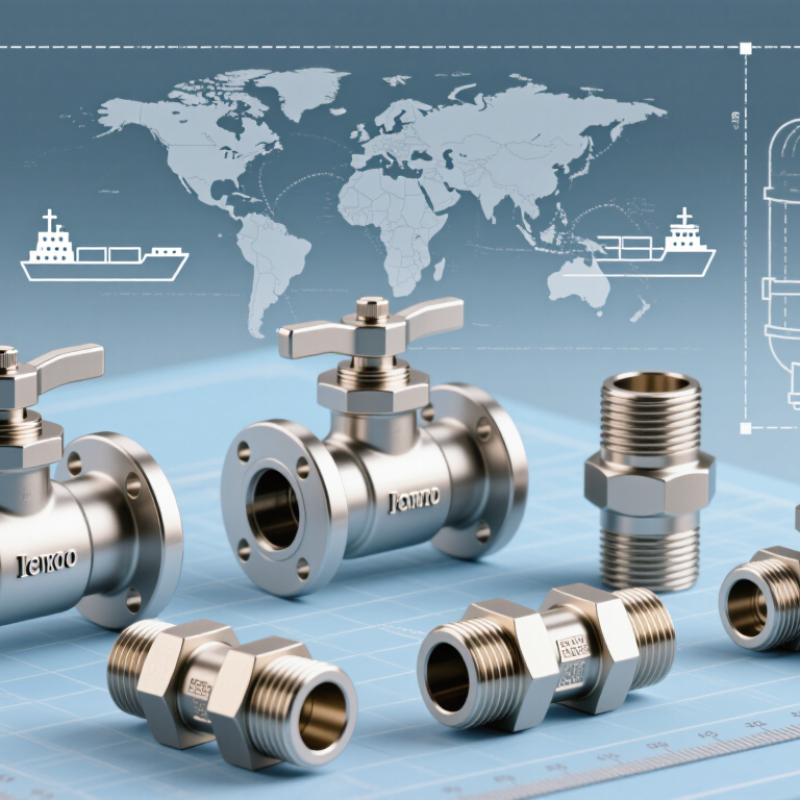
An ISO tank’s fittings form its access, control, and discharge system. The manlid provides inspection access; valves regulate loading and unloading; pressure-relief devices help protect the tank from excessive pressure. Gaskets seal joints, so material compatibility matters: a seal that swells or hardens can leak. ISO 1496-3 covers specifications and testing for tank containers, but it does not make every fitting interchangeable. Check connection type, pressure and temperature ratings, and the cargo’s compatibility against the tank documentation. A fitting can look right and still be wrong.
Tip: Match the fitting to the tank’s specification plate and records, not appearance alone. ITCO’s 2024 report estimated a global tank-container fleet of about 801,800 units at the end of 2023. That scale makes clear why standardization matters, but it does not guarantee a particular valve or seal will suit your tank. Confirm dimensions and materials with a qualified supplier or inspector, and review inspection and maintenance records before purchase.
Tip: Inspect threads, flange faces, handles, and sealing surfaces for dents, corrosion, or residue. Ask whether relief devices have current inspection documentation and whether replacement parts meet the tank’s specified ratings. Small details matter. I’d still pause over an unclear material certificate; a quick visual check cannot confirm chemical compatibility. Compare the stated fitting materials with the tank’s service history and intended operating conditions.
Matching Fittings to Tank Type and Connection Requirements
An ISO tank fitting must match both the tank’s design and the job it will perform. Check the tank nameplate and technical documents for pressure and temperature limits before selecting a valve, adapter, or cap. A fitting that looks close may have a different thread pitch, flange pattern, or sealing face. It may not seat safely. Measure the connection, and confirm its standard rather than relying on appearance.
Material compatibility matters, too. Compare the fitting and gasket materials with the cargo, cleaning method, and expected temperature range. For example, a gasket that softens during cleaning can leak even when the metal connection is correct. Small details count. This step is easy to rush. It is also where I would pause and verify the paperwork again.
Tank types and configurations can vary, so use the tank’s approved drawings or consult a qualified technician when specifications are unclear. Check that the fitting’s pressure rating meets or exceeds the required service conditions, and never force mismatched threads into place. A written list of connection size, standard, material, and seal type helps prevent ordering errors. I might still miss a detail on a first pass; a second review is worth the time.
7 Tips for Buying Iso Tank Fittings - Matching Fittings to Tank Type and Connection Requirements
| Tip | What to Match | Checks Before Ordering | Why It Matters |
|---|---|---|---|
| 1 | Tank type and fitting location | Identify the tank’s function and the exact fitting position, such as a top manlid, product outlet, vent, or heating connection. Confirm details against the tank’s data plate and drawings. | ISO tank containers can have different equipment layouts and service configurations. A fitting that suits one location or tank design may not suit another. |
| 2 | Connection standard and size | Record the nominal size, thread or flange standard, and connection details. For threaded connections, distinguish standards such as NPT and BSP; for flanges, verify the applicable dimensions and facing. | Connections that appear similar may have different thread profiles or flange dimensions. They should not be treated as interchangeable without confirmation. |
| 3 | Tank and fitting documentation | Compare the fitting with the tank manufacturer’s drawings, equipment list, maintenance records, or the existing part. Confirm part dimensions and connection details rather than relying on appearance alone. | Documentation helps avoid mismatches caused by changes in equipment, prior repairs, or differences between tank models. |
| 4 | Product compatibility | Check the fitting body, lining if present, and wetted components against the cargo’s chemical compatibility requirements. Confirm compatibility with the product supplier or a qualified materials specialist when needed. | Compatibility depends on the specific substance, concentration, temperature, and exposure conditions. A material suitable for one cargo may not be suitable for another. |
| 5 | Seal and gasket material | Specify the seal material required for the cargo, cleaning chemicals, operating temperature, and connection type. Check whether the fitting requires a particular gasket profile or sealing method. | Seals are selected for both chemical and operating conditions. Incorrect material or geometry can lead to leakage or premature wear. |
| 6 | Pressure and temperature ratings | Verify the fitting’s documented pressure and temperature limits against the tank’s operating conditions and the applicable tank documentation. Consider the rating of the complete connection assembly. | The usable limits depend on the assembled components and service conditions. A fitting should not be selected based only on its nominal size or material. |
| 7 | Inspection, certification, and installation | Ask for relevant material and product documentation, inspect sealing surfaces and threads, and confirm installation requirements. Have repairs or pressure-related work performed by qualified personnel in accordance with applicable rules. | Good documentation and proper installation support safe operation. Tank inspection, repair, and testing requirements depend on the tank, service, and governing regulations. |
Selecting Materials for the Cargo and Operating Conditions
7 Tips for Buying Iso Tank Fittings
Selecting Materials for the Cargo and Operating Conditions
Material choice should start with the cargo, not the fitting’s appearance. Stainless steel is common, but “stainless” alone does not guarantee compatibility. Check the specific grade against the cargo’s composition, concentration, and temperature. Small differences matter. A corrosive liquid may affect a fitting differently when it is warm or repeatedly exposed.
Seals deserve equal attention. PTFE, EPDM, and other elastomers each have limits for chemical exposure and heat. Confirm the seal material using reliable compatibility data, and consider the full operating range—not just the usual loading temperature. Also account for pressure, cleaning chemicals, and how often the fitting will be opened. A seal that works during transport may still degrade during cleaning.
Inspect the contact surfaces and connection details, too. Rough edges, trapped residue, or mismatched metals can create problems that a material label will not reveal. Ask for material specifications and applicable test records, then compare them with the cargo information and equipment requirements. Do not assume a familiar material is automatically suitable. Compatibility charts are useful, but they cannot replace checking the exact conditions; when those details are unclear, pause and get qualified technical advice.
Checking Standards, Pressure Ratings, and Safety Certifications
Tip 1: Check the required standard before comparing fittings. Iso tank connections may follow different specifications depending on the tank, service, and destination. Confirm thread type, dimensions, and material compatibility against the equipment documentation. A fitting that looks right may still seat poorly.
Tip 2: Match pressure ratings to actual operating conditions. Check the fitting’s rated working pressure and temperature range, not just the tank’s maximum pressure. Allow for pressure changes during loading, transport, and cleaning. If the rating is unclear, pause and ask a qualified supplier or engineer. Guessing is not a good shortcut.
Tip 3: Ask for safety and traceability documents. Depending on the application, these may include material certificates, inspection records, or evidence of testing against the relevant standard. Check that the documents identify the exact fitting model and material. A certificate with no clear product link offers little reassurance. Inspect threads, sealing faces, and weld areas for dents, corrosion, or uneven finish before installation; small defects can matter. Keep records with the tank’s maintenance file, and revisit them when service conditions change. It is easy to focus on the paperwork and miss a worn sealing surface, so check both.
7 Tips for Buying ISO Tank Fittings: Pressure Conversion Reference
Pressure values are unit-conversion examples, not recommended fitting ratings. One bar equals 100 kPa, or approximately 14.5038 psi. Before buying, verify that each fitting’s pressure rating and certification match the tank’s design requirements and intended service.
Comparing Supplier Quality, Availability, and Total Cost
When sourcing iso tank fittings, compare suppliers on verified quality, not polished descriptions. Ask them to confirm dimensions, connection type, material, and pressure and temperature ratings. These details must match the tank and service conditions. A material certificate and batch traceability help you check what is actually being supplied. Inspect sample fittings for clean threads, smooth sealing faces, and consistent machining. Small details matter. Quality claims are useful only when tied to measurable checks.
Availability means more than a green stock label. Confirm the exact part number, quantity on hand, and dispatch date in writing. Ask whether stock is held locally or depends on another shipment. If a substitute is offered, compare its dimensions and material before accepting it. A quick fit check can prevent delays after delivery. Lead times can change. A supplier who reports a delay early may be more dependable than one who promises everything.
Compare total cost, not just unit price. Include freight, inspection time, packaging, and the cost of waiting if a fitting arrives late or fails inspection. A lower quote may become expensive when replacement parts take weeks to arrive. Ask how warranty claims and returns are handled, and check whether documentation is included. A spreadsheet can still mislead; it may omit downtime or the effort needed to verify compatibility. No scoring sheet captures every shop-floor constraint.
Related Posts
-
How to Choose the Best Iso Tank Fittings for Your Industrial Needs
-
How to Choose the Best Tank Container Parts for Your Needs?
-
Top 10 Iso Tank Fittings Suppliers for Global Buyers
-
How to Choose the Right Iso Tank Fittings for Your Needs?
-

Unlocking Efficiency: The Benefits of Superior Tank Container Parts for Your Business
-
China Top Iso Tank Parts Suppliers for Global Buyers