Searching for “Apa Itu Powder Coating” often produces a simple answer: it is a dry finishing process that uses electrically charged powder and heat. That definition is accurate, but incomplete. Powder coating also depends on surface preparation, application control, curing temperature, and the material beneath the finish. A clean steel panel, for example, may receive pretreatment before powder is sprayed and cured inside an oven. The final result depends on every stage.
Kevin Biller, a recognized powder-coating consultant and author, describes the process this way: “Powder coating is a finishing technology, not merely a replacement for liquid paint.” His point matters because powder coating involves chemistry, equipment, and practical judgment. Operators must watch film thickness, grounding, oven airflow, and cure time. A glossy surface can still hide poor adhesion. It can look perfect at first.
This guide, titled Top 10 Answers to What Is Powder Coating?, explores the questions that buyers, engineers, fabricators, and beginners commonly ask. It explains how powder is applied, why curing changes its performance, and where the process works best. It also considers limitations, including heat requirements, color changes, rework challenges, and difficult shapes. No coating method is universal. That is easy to forget.
The answers draw on established industry practice and real workshop concerns. They aim to make technical information easier to judge, not simply easier to repeat. Some details may vary between suppliers, substrates, and equipment. Check the product data sheet. Measure the process. Question attractive claims. That caution is part of understanding Apa Itu Powder Coating properly.
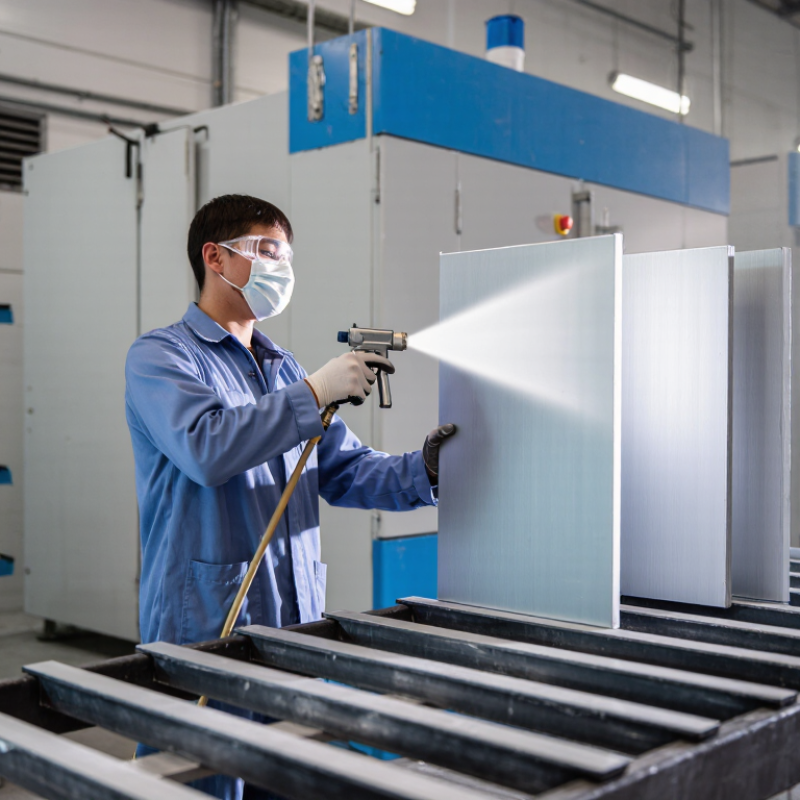
Powder coating is a dry finishing process for metal surfaces. Unlike liquid paint, it uses finely ground particles without liquid solvents. The powder usually contains resin, pigment, additives, and curing agents. It may look like colored dust, but it becomes a durable protective layer.
The process begins with careful surface preparation. Oil, rust, and moisture can weaken adhesion. Technicians often clean, rinse, and dry the metal before spraying. An electrostatic gun gives the powder an electrical charge. The grounded part attracts the particles, creating an even cloud around edges and flat areas. Not perfectly, though. Recesses and sharp corners may receive less powder.
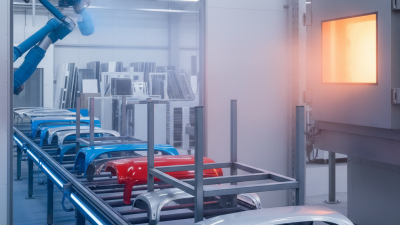
The coated part then enters an oven, commonly heated between 160 and 200°C, depending on the formulation. The particles melt, flow together, and chemically crosslink into a continuous film. After cooling, the surface becomes harder and more resistant to scratching, corrosion, and weathering. Proper thickness matters. Too little coating may expose the metal, while too much can cause orange peel, runs, or trapped bubbles. A bright finish can still hide poor preparation underneath. That is why trained operators check temperature, film thickness, grounding, and cure time instead of judging appearance alone.
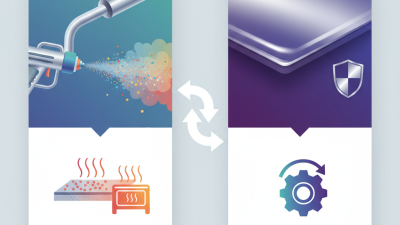
Powder coating is a dry-finishing process in which electrostatically charged powder is applied to a metal surface and then heated until it melts, flows, and cures into a protective coating.
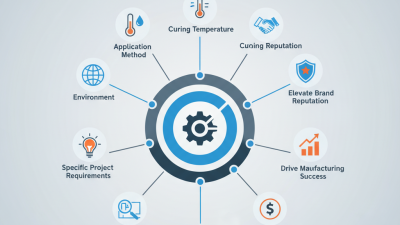
The chart shows representative industrial curing-temperature ranges for common powder-coating chemistries. Actual schedules vary according to powder formulation, substrate, part thickness, and oven conditions.
Powder coating uses dry, electrically charged powder instead of liquid paint. Common powders include epoxy, polyester, and epoxy-polyester hybrids. Each offers different resistance to chemicals, sunlight, moisture, or impact. The chosen powder should match the part’s service environment, not just its color. That decision is easy to underestimate.
The workpiece is usually steel, aluminum, or another conductive metal. Its surface needs cleaning, rinsing, drying, and often chemical conversion treatment. Oil, rust, and fingerprints can cause craters or poor adhesion.
A spray gun charges the powder, while compressed air carries it toward the grounded part. Even coverage depends on distance, airflow, voltage, and operator control.
The equipment list also includes a spray booth, powder recovery system, curing oven, and grounding tools. The oven must deliver stable heat throughout the load, not merely show a high temperature. A dry-film thickness gauge helps verify coating consistency. Adhesion checks and cure tests provide stronger evidence than appearance alone. In practice, small corners and recessed areas often need extra attention. I have found that excessive powder can look impressive but cure unevenly. That mistake deserves review, especially when production pressure is high. Clean filters, calibrated instruments, and documented process records support repeatable results. Personnel should also follow applicable ventilation, electrical, chemical-handling, and workplace safety requirements.
Powder coating begins with careful surface preparation, not the spray gun. Remove oil, rust, mill scale, and old coating through cleaning, abrasion, or approved chemical treatment. The surface must be dry and free from residue. Preparation decides everything. Small contaminants can cause bubbles, pinholes, or poor adhesion later.
After cleaning, mask threads, drain holes, and areas requiring electrical contact. Hang the part securely and connect it to a reliable ground. The powder is sprayed through an electrostatic gun, allowing charged particles to cling to the metal surface. Operators should control distance, airflow, and film thickness. Too much powder can sag or trap air. Too little may leave weak coverage on edges. Recesses need special attention.
The coated part then enters a curing oven at the temperature and time specified for that powder system. The metal temperature matters more than the oven display. Use a calibrated probe when possible. Under-curing can produce a soft, weak finish, while overheating may damage color or performance. After cooling, inspect adhesion, coverage, gloss, and visible defects. A cross-hatch test can reveal problems that look minor. Not always. A rushed inspection may miss poor coverage inside corners. Recording surface conditions, cure data, and defects improves repeatability, although even experienced teams may need to adjust their process after unexpected results.
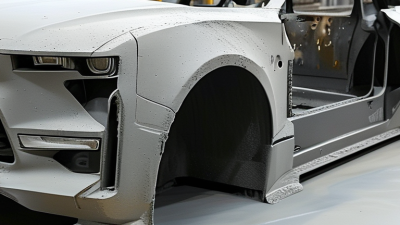
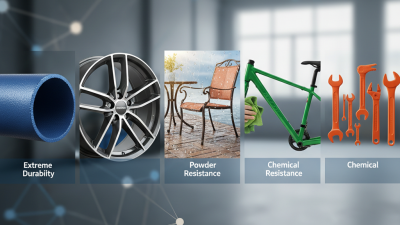
Powder coating is commonly used where durable, cleanable surfaces matter. Typical applications include metal furniture, household appliances, lighting fixtures, bicycles, tools, and construction components. Automotive suppliers also coat wheels, brackets, racks, and selected body parts. These items face handling, moisture, sunlight, or repeated cleaning.
Architecture is another major field. Window frames, doors, railings, fencing, and aluminum façades often receive powder coatings. The process creates little liquid waste because unused powder can sometimes be recovered and reused. Allied Market Research reported that the global powder coatings market reached about $12.5 billion in 2022. Its report projects approximately $20.5 billion by 2032. This growth reflects demand from construction, transportation, appliances, and general industrial equipment.
Tips: Match the coating to the substrate and service environment. Clean steel carefully before application. Check film thickness at corners and edges. Poor preparation still causes failure. In practice, coverage is not always perfect. Complex shapes may trap powder or develop thin areas. Test gloss, adhesion, corrosion resistance, and color before approving production. Grand View Research also identifies architectural, automotive, appliance, and industrial uses as important market segments. However, powder coating is not ideal for every material or heat-sensitive component. Experience matters.
Powder coating is a dry finishing process. The powder is electrostatically sprayed onto a grounded metal part, then heated until it melts and cures. Its strongest advantage is material efficiency. The Powder Coating Institute reports that recovery systems can achieve powder utilization rates above 95%, although actual results depend on equipment, color changes, and operator control.
The process also produces very low volatile organic compound emissions during application. This advantage is recognized in U.S. Environmental Protection Agency guidance on surface coating operations. Powder coatings usually create a tough film that resists chipping, corrosion, and household chemicals. A 2024 Grand View Research report valued the global powder coatings market at more than 14 billion U.S. dollars, reflecting continued industrial demand. The finish feels solid. It also looks consistent.
Limitations deserve equal attention. Most thermoset powders require curing near 160–200°C, according to technical guidance from the Powder Coating Institute. That heat can damage plastics, wood, electronics, or assembled parts. Large ovens also consume energy, especially when production runs are small. Complex shapes may develop Faraday cage effects, leaving thin coverage inside corners. Reclaimed powder can introduce color or texture variation. Pretreatment remains critical; poor cleaning can cause early peeling beneath an attractive surface. In shop trials, a coating may appear perfect after curing but fail after humidity exposure. Powder coating is efficient, not automatic.
| No. | Question | Answer | Typical Data and Practical Considerations |
|---|---|---|---|
| 1 | What is powder coating? | Powder coating is a dry-finishing process that applies electrically charged powder to a grounded workpiece. Heat then melts and cures the powder into a continuous protective and decorative film. | Unlike conventional liquid paint, the coating is applied without a liquid solvent carrier. The process normally includes cleaning, pretreatment, powder application, and oven curing. |
| 2 | How does powder coating work? | A spray gun gives the powder an electrostatic charge, causing it to adhere to the grounded part. The coated part is heated until the particles flow, level, and chemically cross-link. | Typical curing schedules are approximately 160–200°C (320–392°F) for about 10–20 minutes at the metal temperature. Exact requirements depend on the powder formulation and part thickness. |
| 3 | What materials can be powder coated? | The process is most commonly used on electrically conductive materials that can tolerate curing temperatures, especially steel, galvanized steel, aluminum, and some cast metals. | Wood, plastic, rubber, and heat-sensitive assemblies generally cannot use standard thermoset powder coating unless a specialized low-temperature or ultraviolet-curing system is selected. |
| 4 | What are the main types of powder coating? | The principal resin families are epoxy, polyester, and epoxy-polyester hybrid coatings. Each provides a different balance of chemical resistance, weatherability, flexibility, and appearance. | Epoxy is generally strong against chemicals but may chalk under prolonged sunlight. Polyester is commonly selected for exterior weathering. Hybrid systems are often used for indoor applications. |
| 5 | What are the biggest benefits? | Powder coating can provide a durable, uniform, and attractive finish with efficient material usage and a wide selection of colors, gloss levels, textures, and effects. | Benefits commonly include good abrasion resistance, strong adhesion when pretreatment is correct, consistent film coverage, and reduced solvent emissions compared with solvent-borne liquid coatings. |
| 6 | Is powder coating environmentally friendly? | It can have environmental advantages because standard powder coating contains little or no solvent and does not normally release solvent-based volatile organic compounds during application. | Overspray can often be collected and reused, although recovery is affected by color changes, contamination, equipment design, and quality requirements. Powder manufacture, curing energy, and waste handling still have environmental impacts. |
| 7 | How thick is a typical powder-coated finish? | A typical single-coat film is approximately 50–100 micrometers (2–4 mils) thick, although specifications vary by product, substrate, and performance requirement. | Too little coating can reduce protection, while excessive thickness may cause poor appearance, reduced flexibility, edge problems, or incomplete curing. Film thickness should be checked with a suitable gauge. |
| 8 | How durable is powder coating? | A correctly selected and cured coating can resist routine impact, abrasion, moisture, and everyday handling better than many conventional decorative paint finishes. | Durability depends on resin type, pretreatment, film thickness, cure quality, substrate preparation, exposure conditions, and maintenance. Powder coating is not automatically corrosion-proof without proper pretreatment. |
| 9 | What are the limitations of powder coating? | The main limitations include the need for an oven, restrictions on heat-sensitive materials, difficulty repairing localized damage invisibly, and challenges coating large or assembled components. | Color changes require cleaning and process control. Recoating may be difficult if the existing layer is contaminated or damaged. Sharp edges, recesses, Faraday-cage areas, and complex geometries may require specialized application techniques. |
| 10 | Where is powder coating commonly used? | Common applications include metal furniture, appliances, architectural components, automotive parts, bicycles, electrical enclosures, tools, machinery, fencing, and outdoor equipment. | It is most suitable when parts can be cleaned, grounded, sprayed, and heated consistently. The best formulation should be chosen according to indoor or outdoor exposure, chemical contact, appearance, flexibility, and required service life. |
| Note: Performance values are typical industry ranges and should be confirmed against the selected powder formulation, substrate, pretreatment system, curing schedule, and applicable project specifications. | |||