Top 10 Benefits of Using Powder Paint For Metal Surfaces?
Powder paint for metal surfaces has gained popularity in recent years. Many industries embrace this method for several reasons. The advantages are not always obvious, but they significantly impact both processes and results.
One key benefit is durability. Powder paint for metal creates a hard finish that resists chipping and scratching. Colors remain vibrant under various conditions, enhancing aesthetic appeal. Additionally, this type of paint is environmentally friendly. It reduces harmful emissions, making it a more responsible choice.
However, there are challenges to consider. Surface preparation is crucial. If not done correctly, the results may disappoint. Quality control during application can be tricky. Despite these potential issues, the benefits often outweigh the drawbacks. The right approach can yield outstanding results with powder paint for metal.
Benefits of Powder Paint: A Cost-Effective Solution for Metal Surfaces
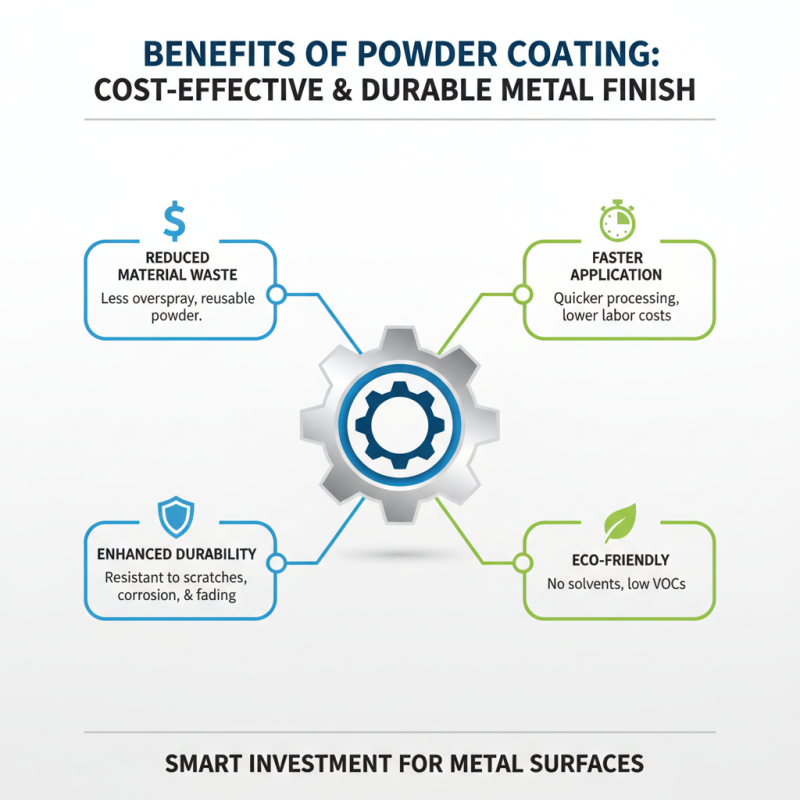
Powder paint is an innovative solution for metal surfaces. It offers several advantages, making it a popular choice among various industries. One significant benefit is its cost-effectiveness. Using powder paint can reduce overall expenses compared to traditional liquid paints. The application process is faster, leading to decreased labor costs. Moreover, powder paint requires less material waste, making it a budget-friendly option.
Another advantage lies in its durability. Powder paint forms a tough coating that withstands scratches and harsh weather. This means fewer touch-ups over time, saving both time and money. On top of that, the vibrant colors and finishes available add aesthetic appeal. However, it's crucial to apply it correctly to ensure lasting results. A poorly executed coat can lead to chipping or fading, which might require additional funds for correction.
Environmental benefits also play a role. Powder paint releases fewer volatile organic compounds (VOCs), contributing to a healthier atmosphere. This aspect is often overlooked, yet it's vital for both workers and the environment. Despite its numerous advantages, it's important to consider the initial investment and equipment needed for application. Balancing these factors will lead to better overall decision-making.
Durability: How Powder Paint Enhances Metal Longevity
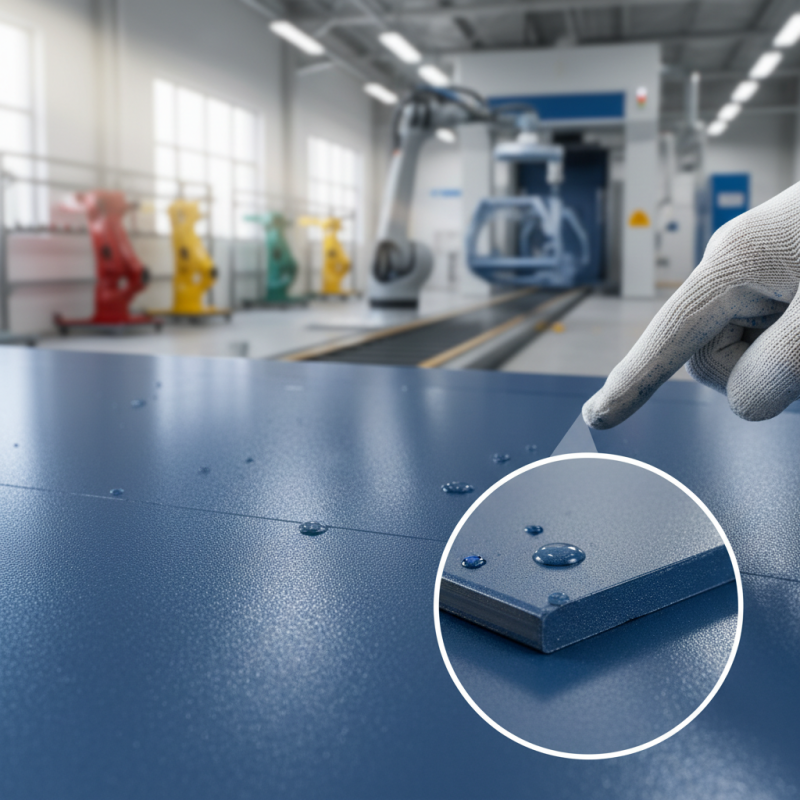
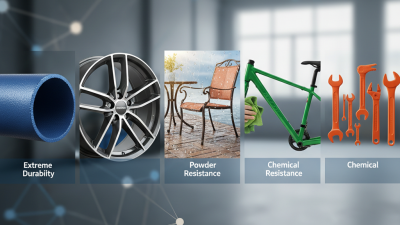
Powder paint is an excellent choice for metal surfaces. Its durability greatly enhances the longevity of items. When metal is coated with powder paint, it forms a tough layer that resists rust and corrosion. This is especially beneficial in harsh environments. For instance, outdoor furniture faces rain and sun. Powder paint helps it remain intact for years.
The application process is crucial. A poorly applied coat may lead to uneven surfaces. This can create weak spots, making metal more vulnerable over time. However, when done right, the powder coating bonds tightly to the metal. It can withstand chipping and scratching much better than traditional paints. This resilience not only preserves the metal but also keeps its appearance fresh.
Yet, it’s not just about aesthetics. Consider the environmental factors too. Sunlight can fade colors over time, but powder paint has better UV resistance. Users often overlook this aspect. An informed choice can prevent future repainting and maintenance. The combination of protection and visual appeal is hard to match. It’s essential to think through the whole process for lasting results.
Top 10 Benefits of Using Powder Paint for Metal Surfaces
Eco-Friendly Aspects of Powder Paint Compared to Liquid Paint
Powder paint offers significant eco-friendly benefits compared to traditional liquid paint. Unlike liquid paints, powder coatings release almost no volatile organic compounds (VOCs) during application. VOCs contribute to air pollution and can harm human health. Opting for powder paint helps mitigate these issues.
The application process of powder paint further enhances its eco-friendliness. It can be applied electrostatically, ensuring minimal waste. Any excess powder can be recycled, allowing for efficient use of materials. This recycling can lead to less waste in landfills, which is an important consideration.
However, challenges exist with powder coatings. If not applied correctly, imperfections can arise. Uneven surfaces or improper curing can lead to flaws. These issues require careful attention during application. Moreover, while powder paint is durable, it may not be suitable for every environment. Some specialized cases still call for liquid paints. Balancing the benefits and potential drawbacks is essential when choosing the right coating for metal surfaces.
Versatility in Colors and Finishes for Various Metal Applications
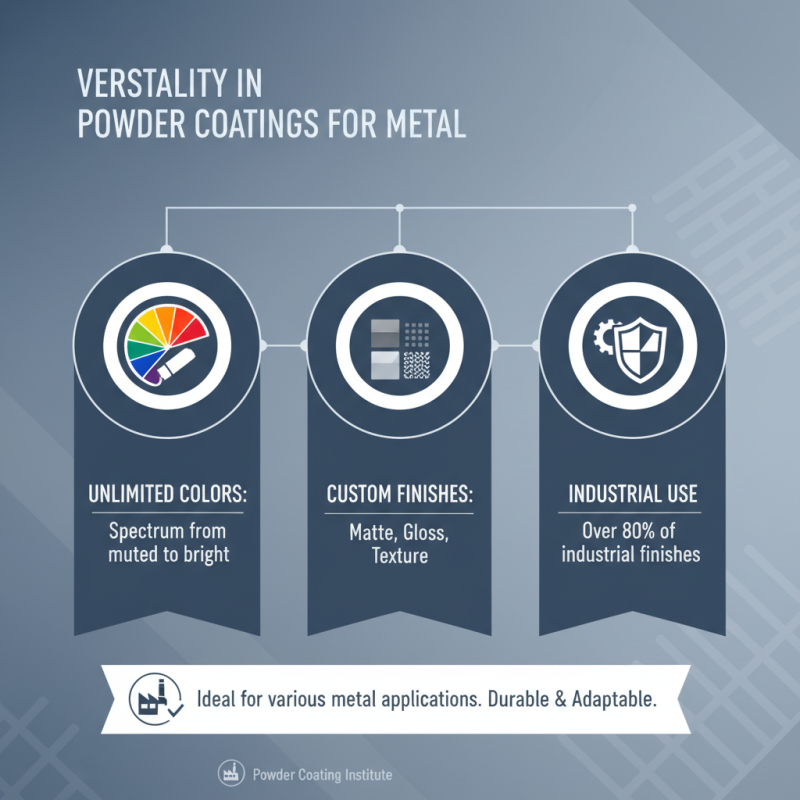
Powder paint offers unmatched versatility in colors and finishes, making it ideal for various metal applications. A report by the Powder Coating Institute highlights that over 80% of industrial finishes utilize powder coatings. This widespread use stems from the wide spectrum of colors available. From matte to gloss, textures can easily be customized to suit specific needs.
The ability to mix colors provides endless design possibilities. Designers often experiment with unique shades and effects. For instance, metallic finishes can create a modern look, while textured options offer a more rugged appearance. Such versatility ensures that powder paint can meet functional and aesthetic requirements across different sectors.
However, working with powder paint does present challenges. Achieving the perfect finish requires skill and precision. The application process can be tricky, and uneven surfaces may lead to defects. Additionally, the curing process demands proper conditions. If not managed correctly, it can affect color integrity. Balancing these factors is essential for achieving high-quality results.
Application Process: Efficiency of Powder Coating for Metal Surfaces
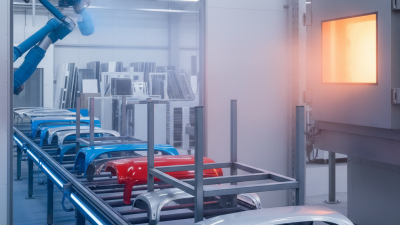
The powder coating process for metal surfaces is both efficient and effective. It begins with thorough cleaning, ensuring the metal is free from dust and oils. Pre-treatment is crucial; it enhances adhesion and longevity. Heating the metal before applying powder can improve the coating's flow and finish.
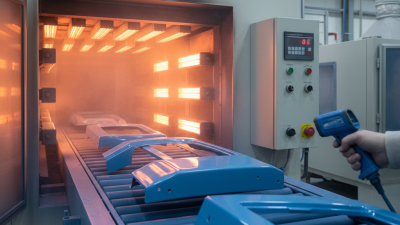
Once the powder is applied, it is electrically charged. This allows it to cling evenly to the metal surface. A curing oven then melts the powder, creating a smooth, durable finish. The transformation is visible. However, consistency can be a challenge. Sometimes, areas might require touch-ups. Maintaining even thickness is essential.
The application process demands precision. Over-spraying can lead to waste and uneven layers. Achieving the right temperature and timing in curing is often tricky. Practicing in various environments is necessary to master the technique. Reflecting on these aspects can lead to better results in future projects. Proper tools and methods can significantly enhance the final product.
Top 10 Benefits of Using Powder Paint For Metal Surfaces
| Benefit |
Description |
Efficiency Rating (1-10) |
| Durability |
Powder paint provides a tough finish that resists chips, scratches, and wear. |
9 |
| Environmentally Friendly |
Contains no solvents and releases negligible amounts of volatile organic compounds (VOCs). |
10 |
| Color Variety |
Available in a wide range of colors and finishes, enabling customization. |
8 |
| Uniform Application |
Provides a consistent coating with smooth and even coverage. |
9 |
| Corrosion Resistance |
Protects metal surfaces from rust and corrosion. |
10 |
| Efficiency in Application |
Fast application process with minimal waste and quick curing times. |
9 |
| Cost-Effectiveness |
Long-lasting finish reduces the need for frequent reapplication, saving time and money. |
8 |
| Safety |
Less hazardous during application compared to traditional liquid paints. |
9 |
| Recyclability |
Unused powder can be recycled, reducing waste in the process. |
9 |
| Low Maintenance |
Requires less upkeep compared to traditional paint finishes. |
8 |