Top 10 Powder Metals Suppliers for Global Buyers?
Powder Metals are no longer a niche input for specialist manufacturers. They support additive manufacturing, powder metallurgy, thermal spraying, filtration, and advanced joining applications. Buyers now expect stable particle size, controlled chemistry, reliable documentation, and shipment consistency.
Industry data shows why supplier selection deserves closer attention. The Wohlers Report 2024 valued the global additive manufacturing industry at more than US$20 billion in 2023, with metal systems and materials remaining important growth areas. The USGS Mineral Commodity Summaries 2025 also highlights supply concentration and price sensitivity across minerals such as nickel, cobalt, titanium, and tungsten. These conditions can affect powder availability, lead times, and qualification costs. Small differences matter.
This guide reviews ten Powder Metals suppliers serving global buyers. The comparison considers material range, atomization technology, particle-size distribution, quality certifications, traceability, technical support, and export experience. It also considers practical details, such as whether a supplier can provide a mill test certificate, safety data sheet, sample batch, and lot-level analysis. Those documents can prevent expensive production delays.
No ranking is perfect. A supplier strong in aerospace alloys may not suit a high-volume automotive program. A low quoted price may hide testing, packaging, or freight costs. Some published market estimates also use different definitions of “metal powders,” making direct comparisons difficult. Buyers should verify current certifications, production capacity, regional compliance, and customer references before signing contracts. The strongest choice is not always the largest company. It is the supplier that can repeatedly deliver the required powder, specification, and evidence.

Powder Metals: Types, Uses, and Key Industry Applications
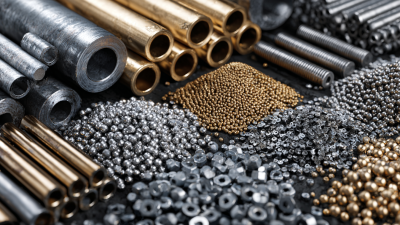
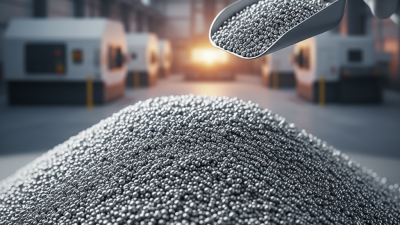
Powder metals are finely divided materials engineered for controlled manufacturing. Common families include iron, stainless steel, aluminum, copper, nickel, titanium, and tungsten. Particle size, shape, oxygen content, and purity strongly affect performance. Fine spherical particles flow smoothly through additive manufacturing equipment. Coarser irregular particles may suit pressing and sintering.
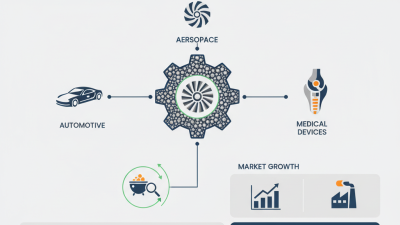
Powder metallurgy produces gears, bushings, filters, and structural parts with limited material waste. Compacts are pressed in molds, then heated below their melting points. Additive manufacturing builds complex aerospace and medical components layer by layer. Thermal spray powders create wear-resistant coatings on valves, shafts, and turbine parts. Metal injection molding supports small components with detailed shapes. Battery, electronics, and energy equipment also use specialized conductive powders.
Global buyers should compare suppliers through technical evidence, not attractive catalogs. A reliable supplier provides composition data, particle-size distribution, flow results, density values, and lot traceability. Ask whether testing follows recognized industry methods. Handling also matters. Powders can oxidize, absorb moisture, or create combustible dust hazards. Proper packaging, dry storage, and documented safety procedures reduce these risks. A simple price ranking can mislead. Lower-cost powder may require extra screening, rejected batches, or slower production. I have found that application trials reveal more than specifications alone, although even a small trial cannot predict every factory condition.
Top 10 Powder Metals Suppliers for Global Buyers
Powder metals are selected according to processing temperature, mechanical performance, corrosion resistance, conductivity, and application requirements. The chart compares the standard melting points of ten commonly sourced elemental metal powders.
How to read the chart: Lower-melting powders such as zinc, magnesium, and aluminum are widely used in casting, coatings, and lightweight components. Iron, copper, nickel, cobalt, titanium, molybdenum, and tungsten powders support applications including structural parts, electrical components, aerospace systems, additive manufacturing, wear-resistant coatings, and high-temperature tooling.
How to Evaluate Powder Metals Suppliers for Global Purchasing
Top 10 Powder Metals Suppliers for Global Buyers: How to Evaluate Powder Metals Suppliers for Global Purchasing
Choosing among powder metals suppliers requires more than comparing price per kilogram. Product consistency affects pressing, sintering, additive manufacturing, and final part strength. The USGS Mineral Commodity Summaries 2024 estimated global usable iron ore production at about 2.5 billion metric tons in 2023. This scale shows strong upstream capacity, but it does not guarantee reliable powder quality. Ask for particle-size distribution, apparent density, flow rate, oxygen content, and batch-level certificates. Request samples from different lots. One perfect sample proves little.
Traceability should reach the melt, atomization process, packaging date, and shipping condition. The IEA Global Critical Minerals Outlook 2024 reported that lithium demand rose by around 30% in 2023, while demand for nickel, cobalt, and graphite also increased. Such pressure can expose weak inventory planning. Evaluate safety stock, production capacity, export experience, and realistic lead times. An independent laboratory can verify chemistry and morphology before a large purchase. Suppliers should also explain nonconformance handling, not simply promise “zero defects.” That promise sounds attractive, but it is rarely testable.
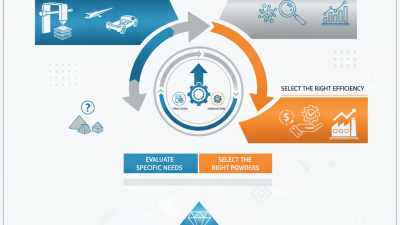
Tips: Build a weighted scorecard. Give quality and traceability more weight than price. Check moisture barriers after ocean transit. Review three recent certificates. Visit the production site when possible. Data can mislead. A low quote may exclude testing, packaging, duties, or rejected batches. A strong supplier should welcome difficult questions and provide evidence, not polished claims.
Top 10 Powder Metals Suppliers and Their Core Strengths
Top 10 Powder Metals Suppliers for Global Buyers
Top 10 Powder Metals Suppliers and Their Core Strengths
Global buyers often compare ten supplier profiles before choosing a powder metals partner. Gas-atomized stainless steel specialists offer clean spherical particles for additive manufacturing. Water-atomized iron suppliers provide cost-efficient grades for pressed components. Titanium powder producers focus on low oxygen levels and aerospace traceability. Nickel alloy specialists support heat-resistant parts and demanding industrial environments.
Copper powder suppliers are valued for thermal conductivity and controlled particle size. Aluminum powder producers serve lightweight components, though storage controls require careful attention. Tool steel suppliers provide wear resistance for dies, molds, and cutting applications. Cobalt alloy suppliers support high-temperature and corrosion-resistant parts. Tungsten powder suppliers deliver high density and thermal stability. Recycled metal powder suppliers can reduce material waste when testing confirms consistent chemistry.
A reliable supplier should provide batch certificates, sieve analysis, morphology data, and oxygen readings. Ask about packaging, because moisture can alter flow behavior. Confirm production capacity before approving samples. A small sample may perform well, while a larger batch behaves differently. That happens.
Experienced buyers also inspect pressability, apparent density, and sintering response. Site audits can reveal weak housekeeping or unclear storage practices. Some suppliers have excellent laboratories but slow export documentation. Others ship quickly but offer limited technical support. Neither profile is automatically suitable. A practical decision weighs quality evidence, communication, lead time, and total delivered cost. Supplier claims need verification. Powder performance often depends on details that brochures omit.
Global Buying Requirements: Certification, Logistics, and Risk Control
Top 10 Powder Metals Suppliers for Global Buyers
For a top-ten shortlist, certification should be verified at batch level, not accepted from a sales deck. Ask for ISO 9001 quality records, ISO 14001 environmental controls, and ISO/IEC 17025 laboratory accreditation where testing is outsourced. Request the powder’s chemistry, particle-size distribution, morphology, apparent density, moisture, and traceability documents. ASTM and ISO test methods should be named clearly. Vague “industrial grade” wording creates avoidable disputes.
Logistics needs equal attention. The World Bank’s 2023 Logistics Performance Index compared 139 economies and highlighted customs, infrastructure, and shipment reliability as measurable buying risks. UNCTAD’s Review of Maritime Transport reports that over 80% of world merchandise trade by volume moves by sea. Therefore, buyers should confirm packaging integrity, dangerous-goods classification when applicable, humidity controls, insurance, and backup routes. A practical purchase order should define inspection points, tolerance limits, delivery windows, and responsibility for port delays.
Risk control also means checking financial resilience, export documentation, sanctions screening, and concentration of raw-material sources. Ask for recent nonconformance data, corrective-action records, and a small paid production sample. The sample matters. A perfect certificate can still hide inconsistent flowability between lots. I would also challenge unusually low prices; they may reflect thinner testing, weaker packaging, or optimistic freight assumptions. The OECD’s 2023 Due Diligence Guidance supports documented, risk-based supply-chain checks rather than one-time declarations.