Unlocking the Potential of Nickel Molybdenum Alloy: Innovations in Modern Engineering
The Nickel Molybdenum Alloy has emerged as a cornerstone in modern engineering due to its exceptional properties, including high strength, excellent corrosion resistance, and superior thermal stability. According to recent industry reports, the global demand for Nickel Molybdenum Alloy is projected to grow at a CAGR of over 5% through 2027, driven by its increasing applications in sectors such as aerospace, chemical processing, and renewable energy. The alloy's unique composition allows it to withstand extreme environments, making it ideal for high-performance applications. Innovations in manufacturing processes and alloying techniques have further enhanced its viability, positioning Nickel Molybdenum Alloy as a critical material in the pursuit of more sustainable and efficient engineering solutions. This article explores the advancements and the transformative potential of Nickel Molybdenum Alloy in addressing contemporary engineering challenges.

Understanding Nickel Molybdenum Alloy: Composition and Properties
 Nickel molybdenum alloy is a significant material in modern engineering, known for its unique composition and remarkable properties. Typically composed of nickel and molybdenum in varying proportions, this alloy offers outstanding strength and corrosion resistance, making it ideal for harsh environments. The incorporation of molybdenum enhances the alloy's stability at high temperatures, which is crucial for applications in industries such as aerospace and chemical processing.
In addition to its mechanical strength and thermal resilience, nickel molybdenum alloy displays excellent ductility and weldability. This allows for versatility in fabrication processes, enabling engineers to produce complex components without compromising material integrity. The alloy's resistance to oxidizing environments further amplifies its appeal, allowing for long-term performance in demanding conditions. By understanding the composition and properties of nickel molybdenum alloy, engineers can leverage its potential to create innovative solutions that address the challenges of modern technological applications.
Innovative Applications of Nickel Molybdenum Alloy in Engineering
Nickel molybdenum alloy has emerged as a game changer in modern engineering, unlocking a myriad of innovative applications across various industries. Its exceptional strength-to-weight ratio and resistance to corrosion make it a go-to choice for high-performance components in aerospace, automotive, and chemical processing sectors. The unique properties of this alloy enable engineers to design lighter and more efficient systems while maintaining durability, leading to enhanced fuel efficiency and reduced environmental impact.
Tips for utilizing nickel molybdenum alloy effectively include considering the specific operating environment of your application. The alloy's corrosion resistance can be further enhanced through surface treatments, ensuring longevity even in harsh conditions. Additionally, it’s crucial to work with experienced professionals who understand the nuances of alloy fabrication and can optimize the manufacturing process for better performance.
Innovative applications of nickel molybdenum alloy continue to evolve, pushing the boundaries of what’s possible in engineering. From turbine blades in jet engines to components in nuclear reactors, the versatility of this alloy allows for breakthroughs that were previously unattainable. As industries seek to advance technology sustainably, nickel molybdenum alloy stands out as a reliable solution for tomorrow's engineering challenges.
Processing Techniques for Nickel Molybdenum Alloy: Enhancing Performance
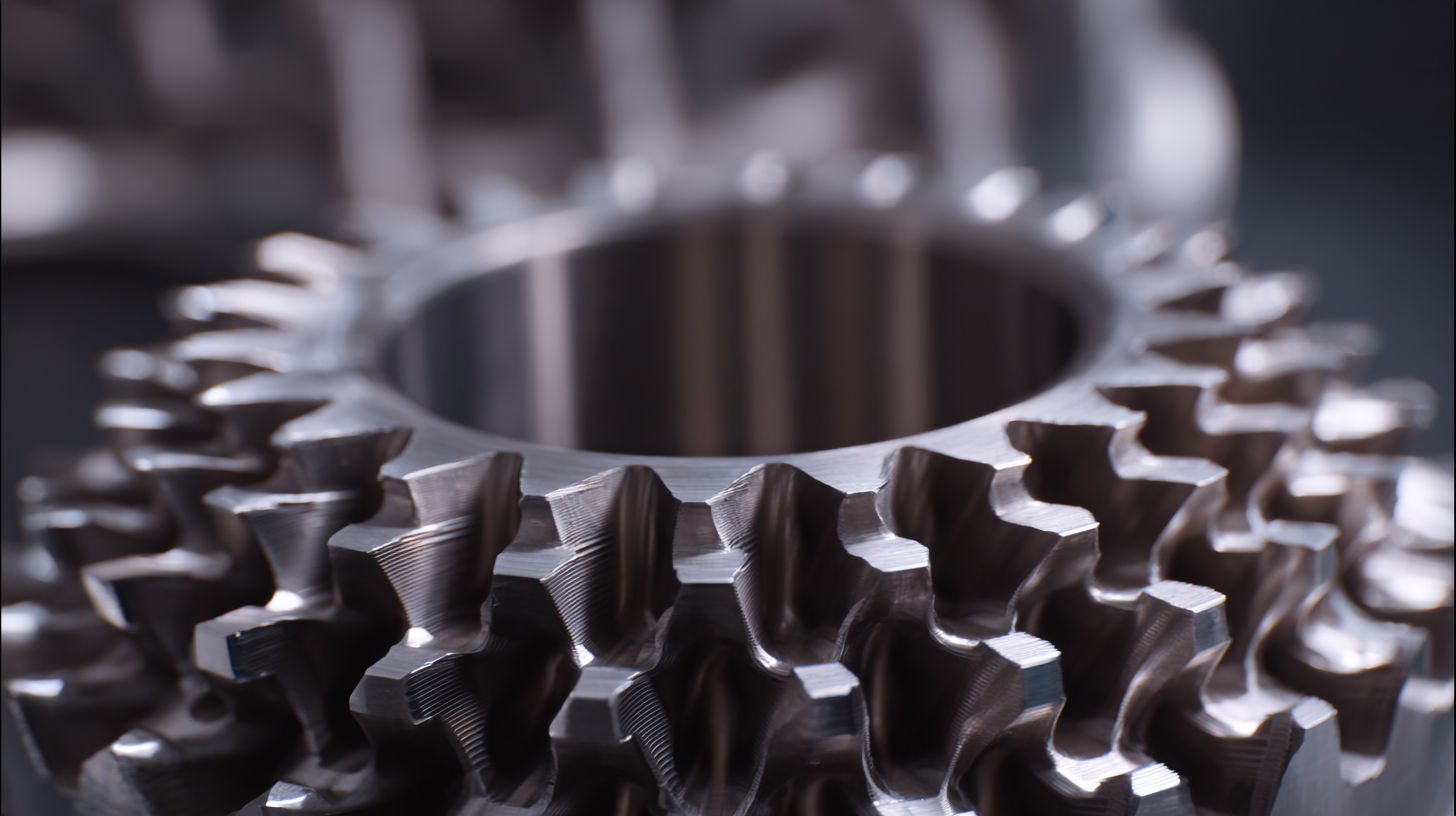 Nickel-molybdenum alloys have garnered significant attention in modern engineering, particularly in enhancing material performance through innovative processing techniques. Recent studies indicate that processing methods like ultrasonic treatment can substantially improve the properties of nickel-based alloys, including their corrosion and hydrogen storage capabilities. For instance, a novel approach applied to hypoeutectic Mg-Ni alloys has demonstrated enhanced hydrogen storage properties, showcasing how advanced processing technologies can unlock the latent potential of metal alloys.
Moreover, advancements in additive manufacturing (AM) for nickel-based superalloys, specifically Inconel variants, have revolutionized production techniques. A comprehensive review of AM practices highlights the ongoing efforts to optimize material properties, such as microhardness and wear resistance. The application of response surface methodology in the jet electrodeposition of Ni–Co–P alloy coatings has reported improvements in tribological behavior, emphasizing the importance of tailored processing methods to enhance the alloy's performance in harsh environments. As the nickel market continues to grow, driven by the demand for high-performance materials, innovative processing techniques will play a crucial role in shaping future applications across various industries.
Future Trends: Advancements in Nickel Molybdenum Alloys in Modern Engineering
Nickel molybdenum alloys are increasingly recognized for their remarkable properties, which are essential in modern engineering applications. Recent industry reports highlight that these alloys exhibit exceptional strength, corrosion resistance, and thermal stability, making them ideal candidates for demanding environments such as aerospace and chemical processing industries. According to a market analysis by Smithers Pira, the global demand for nickel-based alloys is projected to reach $20 billion by 2025, driven by ongoing advancements in material science and engineering techniques.
Innovations in manufacturing technologies, such as additive manufacturing and advanced welding techniques, are set to enhance the performance of nickel molybdenum alloys even further. The International Journal of Metal Science indicates that the application of these innovative methods can improve the microstructure of the alloys, leading to increased fatigue resistance and overall durability. Additionally, as industries continue to focus on sustainable practices, the recyclability of nickel molybdenum alloys offers a promising avenue for reducing environmental impact while maintaining robust performance in critical applications. The future of engineering will undoubtedly be shaped by these advancements, positioning nickel molybdenum alloys at the forefront of material innovation.
Unlocking the Potential of Nickel Molybdenum Alloy: Innovations in Modern Engineering
This chart illustrates the increase in global production of nickel molybdenum alloys from 2019 to 2023. As engineering innovations continue to advance, the demand for these alloys is expected to rise significantly, reflecting their importance in various modern engineering applications.
Challenges and Solutions in Utilizing Nickel Molybdenum Alloys for Industrial Use
Nickel molybdenum alloys are increasingly recognized for their unique properties, including
high strength and
corrosion resistance, making them ideal for various industrial applications. However, the
utilization of these alloys presents several challenges. One of the primary concerns is their susceptibility to embrittlement at elevated temperatures, which can
compromise the integrity of critical components. A report from the National Institute of Standards and Technology
highlighted that over 30% of industrial failures can be traced back to material degradation issues, underscoring the
importance of understanding the limitations of nickel molybdenum alloys in high-stress environments.
To address these challenges, innovative solutions are being developed within the engineering community. Advances in alloying techniques and heat treatment processes
have shown promise in enhancing the material properties of nickel molybdenum alloys. According to a study published in the Journal of
Materials Science, the addition of specific trace elements can significantly improve the thermal stability and mechanical performance of these alloys.
Additionally, ongoing research into additive manufacturing techniques is paving the way for more efficient production
methods, reducing waste and allowing for complex geometries that were previously difficult to achieve. This evolving landscape indicates that while challenges persist,
there are viable paths forward for the effective use of nickel molybdenum alloys in industry.