What Is Atomization in Powder Metallurgy?
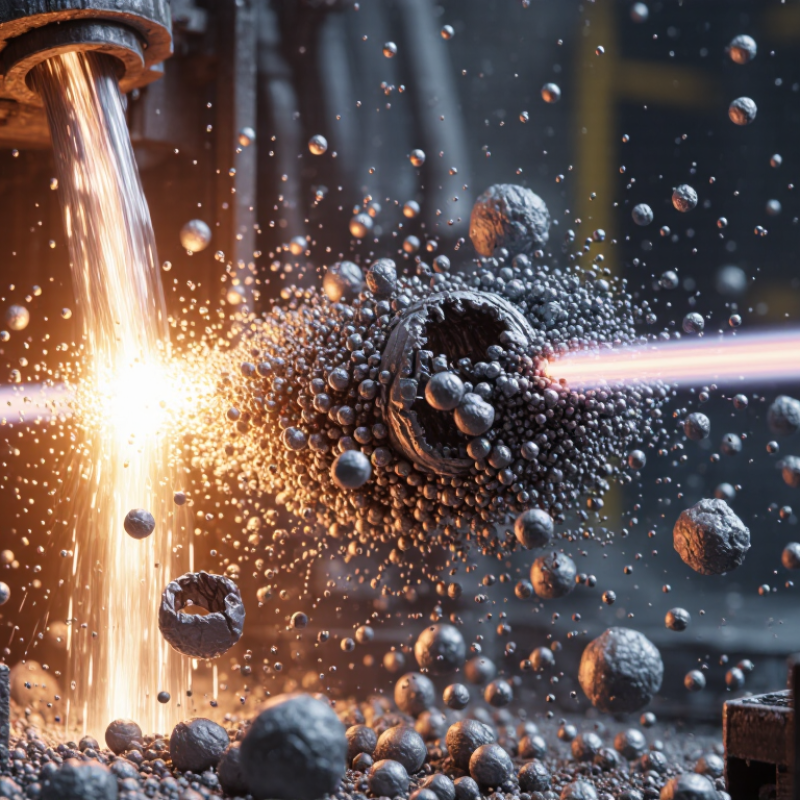
Atomization In Powder Metallurgy is the controlled conversion of molten metal into fine, usable powder. The process resembles a carefully managed storm. A high-speed gas or water jet breaks a liquid metal stream into droplets, which cool and solidify during flight. Their size, shape, and internal structure directly influence the final component.
John J. Dunkley, a recognized authority in metal atomization, has stated, “The key to successful atomisation is control of the interaction between the gas and the liquid metal.” This principle remains central to modern powder production. Gas pressure, melt temperature, nozzle design, and cooling conditions must work together. Small changes can create irregular particles, satellites, hollow powder, or excessive oxygen. These defects may later appear as poor flow, weak bonding, or inconsistent density.
The practical goal is not simply finer powder. It is predictable powder. Engineers examine particle-size distribution, apparent density, flow rate, morphology, chemistry, and cleanliness. A microscope may reveal smooth spherical particles beside rough fragments from the same batch. That detail matters.
Still, atomization is not perfectly predictable. Furnace conditions can drift. Nozzle wear can develop quietly. Measurement methods may also hide important differences. A reliable introduction must acknowledge these limits.
This article explains how Atomization In Powder Metallurgy works, why process control matters, and how powder characteristics affect pressing, sintering, and additive manufacturing. It connects laboratory principles with production-floor decisions, where temperature readings, powder sampling, and operator experience often determine the final result.
Definition and Purpose of Atomization in Powder Metallurgy
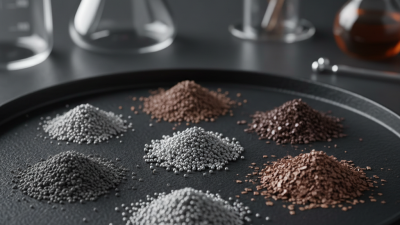
In powder metallurgy, atomization is a controlled process for producing metal powder. It breaks a stream of molten metal into tiny droplets. High-pressure gas or water strikes the liquid stream and separates it. Rapid cooling then solidifies each droplet into a particle. These particles may look like fine sand. Their shape matters.
The main purpose of atomization is to create powder with predictable size, shape, and cleanliness. Engineers adjust gas pressure, water pressure, melt temperature, and nozzle design. Gas atomization often produces rounded particles with good flow. Water atomization usually creates more irregular particles and faster cooling. Particle size affects packing, sintering, and the final part’s strength. Smaller particles offer more surface area, but they can oxidize more easily.
In a practical production setting, technicians check particle distribution through laboratory testing. A powder sample can reveal oversized particles, hollow particles, or unwanted moisture. These details influence feeding through a die or additive manufacturing system. Still, atomization is not perfectly efficient. Some droplets merge, while others cool unevenly. I would not treat one test result as absolute proof of quality. Furnace cleanliness, nozzle wear, and temperature fluctuations can change the powder from one batch to another. Careful records and repeated testing remain necessary.
Key Stages in the Metal Atomization Process
What Is Atomization in Powder Metallurgy?
Metal atomization converts molten metal into controlled particles for pressing, thermal spraying, or additive manufacturing. The process begins with charge preparation. Operators select alloy chemistry, clean the furnace, and remove moisture from tools. Even small contamination can alter powder flow or oxygen content.
The melt is then heated above its liquidus temperature. A high-pressure gas or water jet breaks the stream into droplets. Gas atomization usually creates spherical particles with smoother surfaces. Water atomization cools faster and often produces irregular particles. Each droplet solidifies during flight, forming the powder. Sieving separates size fractions, while microscopy, chemical testing, and flow measurements verify performance. ISO/ASTM 52907 identifies important methods for metallic feedstock characterization. The 2024 Wohlers Report recorded a 13.5% increase in global additive manufacturing revenue during 2023, reaching approximately 20.0 billion dollars. This growth increases demand for consistent atomized powders.
Tips: Keep the furnace atmosphere dry and controlled. Record melt temperature, nozzle pressure, and particle-size distribution for every batch. Small changes matter.
Quality control continues after atomization. Technicians check apparent density, tap density, oxygen, nitrogen, and particle shape. Powder may look uniform but still perform poorly in a printer or press. Reusing powder also requires caution, because repeated heating can change surface chemistry. A practical weakness remains clear: laboratory results do not always predict production behavior. Handling vibration, storage time, and machine settings can change the final outcome.
What Is Atomization in Powder Metallurgy?
Typical particle-size ranges produced by common metal atomization methods
Metal atomization typically involves four key stages: melting the feedstock, breaking the molten stream into droplets with gas, water, or centrifugal force, rapidly solidifying the droplets into powder particles, and collecting and classifying the powder by size. The ranges shown are typical industrial ranges and can vary with alloy, nozzle design, pressure, melt temperature, and cooling conditions.
Atomization Methods and Their Operating Principles
What Is Atomization in Powder Metallurgy?
Atomization Methods and Their Operating Principles
Atomization converts molten metal into small particles for powder metallurgy. The process begins with controlled melting, followed by rapid breakup of the liquid stream. Particle size, shape, cooling rate, and cleanliness strongly affect later compaction and sintering. In production work, even a small change in melt temperature can alter powder flow and packing behavior.
Gas atomization uses high-speed gas jets to divide molten metal. The droplets cool during flight and usually form smooth, near-spherical particles. This shape supports good flow, although gas pressure and nozzle alignment require careful control. Water atomization uses high-pressure water streams. It cools faster and often produces irregular particles with rough surfaces. These particles may compact well, but they can contain more surface oxide. Centrifugal atomization spreads molten metal from a rotating disk or cup. Centrifugal force throws the liquid outward, creating droplets with a relatively narrow size range. Plasma atomization applies a high-energy plasma stream and is useful for reactive or high-melting materials. It can produce clean, spherical powder, but operating costs are significant.
Tips: Match the method with the alloy, target particle size, and final forming process. Check powder morphology under magnification, not by flow testing alone. Record melt temperature, gas or water pressure, and collection conditions. No method is perfect. A practical review should compare yield, oxidation, energy use, and powder performance together.
Powder Characteristics Shaped by Atomization
What Is Atomization in Powder Metallurgy?
Powder Characteristics Shaped by Atomization
Atomization converts molten metal into fine droplets that solidify into powder particles. A high-pressure gas or water stream breaks the melt apart. Each droplet cools while traveling through the chamber. Its cooling path influences size, shape, surface texture, and internal structure.
Gas atomization often creates rounded particles with smoother surfaces. These particles usually flow well through hoppers and fill molds consistently. Water atomization cools faster and commonly produces irregular, angular particles. Their rough surfaces can improve mechanical interlocking during compaction. However, they may reduce flowability and increase friction between particles.
Particle size distribution matters greatly. Fine particles provide more surface area and can improve sintering activity. They can also raise oxygen pickup and reduce powder flow. Coarser particles improve flow but may leave larger pores after pressing. The balance is rarely perfect. Engineers examine sieve data, laser measurements, tap density, and microscopic images together. One test alone can mislead.
Small details matter.
Satellites, hollow particles, and partially solidified droplets may appear during atomization. These features can change packing behavior and final density. In production reviews, I would also check powder handling records and storage conditions. Moisture exposure can alter performance even when the original atomization settings were correct. A practical assessment should connect particle data with pressing, sintering, and finished-part inspection.
Industrial Uses and Selection Factors for Atomized Powders
What Is Atomization in Powder Metallurgy?
Atomization converts molten metal into controlled particles using gas, water, or plasma. The process shapes powder flow, density, oxygen content, and final part quality. Gas atomization usually produces spherical particles with smooth surfaces. Water atomization creates more irregular particles, but often at lower cost.
Industrial selection starts with the application, not the powder catalogue. Automotive gears and structural parts need stable compaction and strong sintering behavior. Aerospace components demand strict chemistry control, traceability, and low contamination. Metal additive manufacturing usually requires narrow particle-size distribution and excellent flow. The International Energy Agency reported nearly 14 million electric vehicle sales in 2023. That growth increases demand for lightweight, wear-resistant, and thermally efficient components. The World Steel Association recorded about 1.89 billion tonnes of crude steel production in 2023, showing the scale of metal-intensive manufacturing. These figures do not measure powder demand directly, but they reveal important downstream pressure.
Tips: Check apparent density, tap density, oxygen level, particle shape, and size distribution together. Ask for batch testing and handling data. A cheaper powder may create more rejects, though this is easy to underestimate. I have found that laboratory flow results can differ from production behavior. Humidity, storage time, and feed-system design matter. No selection rule works universally. Reflective trials are still necessary.