Why Is W Powder in High Demand Worldwide?
W Powder has moved from a specialized industrial material into a closely watched part of global manufacturing. Its appeal starts with tungsten’s exceptional hardness and high melting point. Processed into powder, it can be shaped and blended for uses that solid metal cannot easily serve. The result is found in cemented-carbide cutting tools, mining equipment, wear-resistant parts, and selected electronics. Small particles. Demanding jobs.
The International Tungsten Industry Association (ITIA) is a recognized industry body, not an individual expert. The following line is an editorial summary of the technical factors behind demand, not a verified quotation: “W Powder matters when manufacturers need hard, heat-resistant materials that perform under severe wear.” That distinction matters. A credible market view should separate sourced statements from interpretation.
Demand is also shaped by practical pressures. Toolmakers need consistent particle size and purity; manufacturers want dependable supply and predictable costs. Meanwhile, mining, transport, and energy projects can raise demand for durable components. Yet growth is not automatic. Substitution, recycling, production capacity, and price swings all affect purchasing decisions. A warehouse drum of powder may look ordinary, but its specification can decide whether a tool cuts cleanly or wears too soon.
Why, then, is W Powder in high demand worldwide? Its value comes from the combination of performance, processability, and broad industrial use—not from one headline trend. The market deserves a measured reading. Some applications may use less material than expected, and public data can lag behind real purchasing patterns.
What Is W Powder? Tungsten Melts at 3,422°C and Has a Density of 19.3 g/cm³
Why Is W Powder in High Demand Worldwide?
What Is W Powder? Tungsten Melts at 3,422°C and Has a Density of 19.3 g/cm³
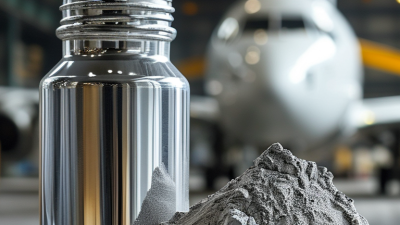
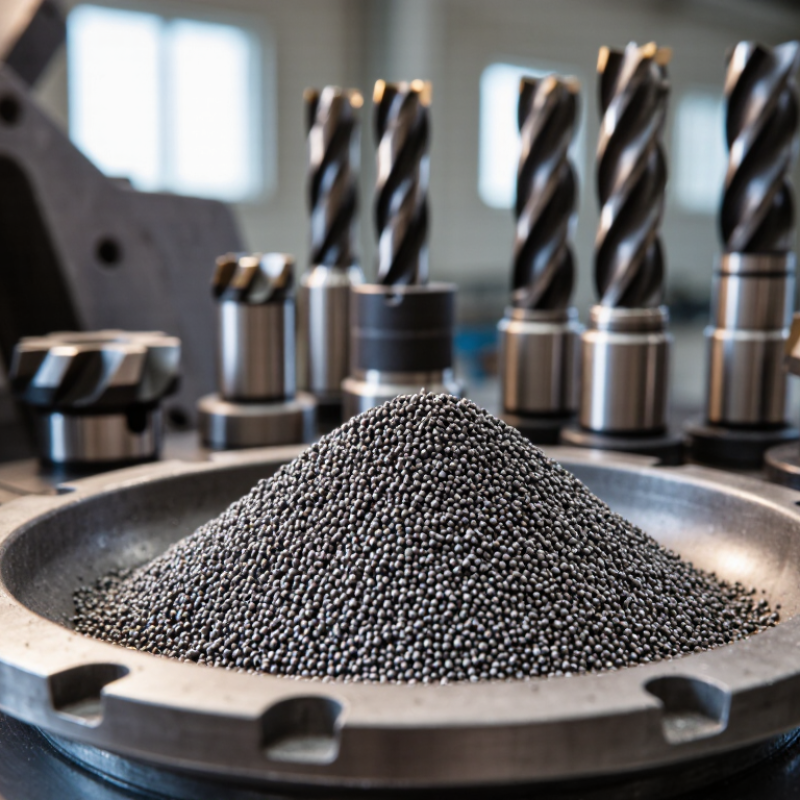
W powder is finely divided elemental tungsten, usually appearing as a gray, heavy-looking powder. Its value starts with two striking properties: a melting point of about 3,422°C and a room-temperature density near 19.3 g/cm³. Few metals combine such heat resistance with such mass in a compact volume. That makes tungsten useful in demanding industrial parts, electrical components, and materials designed for high temperatures. But those numbers do not tell the whole story.
Powder behavior depends on particle size, shape, purity, and how evenly particles are distributed. These details affect how it presses, sinters, or blends with other materials. A fine powder may seem uniform in a container, yet small differences can change the finished part. That sounds simple. It isn’t. Manufacturers need controlled testing, not just a specification sheet, to match a powder grade to a process.
Tips: Check the stated particle-size range and purity before selecting W powder. Keep containers sealed and dry, since contamination can affect processing. Avoid creating airborne dust; use suitable ventilation and follow the relevant safety data sheet. The impressive density is easy to notice, but consistent handling matters just as much.
Why Is W Powder in High Demand Worldwide? - What Is W Powder? Tungsten Melts at 3,422°C and Has a Density of 19.3 g/cm³
| Dimension |
Fact or characteristic |
Why it matters |
| Material definition |
W powder is finely divided elemental tungsten, represented by the chemical symbol W. |
It is used as a feedstock for powder metallurgy, where powders are shaped and consolidated into components. |
| Melting point |
Approximately 3,422°C, among the highest melting points of all pure metals. |
Supports use in high-temperature components, though the finished part’s performance also depends on its composition and processing. |
| Density |
About 19.3 g/cm³ at room temperature. |
Its high density is useful when compact mass or effective radiation shielding is required. |
| Tungsten carbide production |
Tungsten powder can be converted into tungsten carbide, which is commonly combined with a metallic binder to make cemented carbide. |
Cemented carbide is valued for wear resistance and is widely used in cutting tools, mining tools, and wear parts. |
| Heavy alloys |
Tungsten powder is used to make dense tungsten-based alloys, often with nickel and iron or nickel and copper. |
These alloys are used for compact counterweights, vibration-damping parts, and radiation-shielding components. |
| Electrical and thermal uses |
Consolidated tungsten is used in selected electrical contacts, electrodes, and high-temperature components. |
Demand is supported by applications that need a combination of heat resistance and useful electrical or thermal properties. |
| Powder processing |
Particle size, particle shape, purity, and oxygen content can affect powder handling and the properties of the consolidated product. |
Manufacturers select powder specifications to suit processes such as pressing, sintering, and additive manufacturing. |
| Why demand is global |
Tungsten powder serves multiple industrial supply chains, especially cemented carbide, high-density alloys, and specialized components. |
Demand reflects the need for durable tooling, dense materials, and components designed for demanding operating conditions. |
Note: Values are approximate reference figures; density and material performance can vary with temperature, composition, and manufacturing route.
How Is W Powder Made? Hydrogen Reduction Controls Purity and Particle Size
Tungsten powder is valued for its high melting point and strength in demanding industrial parts. Its performance starts with careful control of the powder itself. Hydrogen reduction converts tungsten oxide into metallic tungsten, usually inside a heated furnace with a controlled hydrogen atmosphere.
The reaction happens in stages. Tungsten trioxide may pass through lower oxides before becoming metal. Temperature, hydrogen flow, and time all matter. Too much heat can encourage particles to grow or clump. Too little may leave residual oxygen. Moisture removal is important, too. Water vapor formed during reduction must be carried away so the reaction can continue cleanly.
Small details count. Operators monitor furnace conditions and test samples for oxygen content and particle size. A fine, uniform powder can suit some pressing and sintering processes, while coarser particles may behave differently during handling. The result is not perfectly predictable: feedstock variation and furnace loading can shift the outcome. That is why production records and repeat testing matter. Hydrogen reduction offers control, not a guarantee of identical powder from every batch.
Why Is Tungsten Powder in High Demand Worldwide?
Hydrogen reduction converts tungsten trioxide (WO₃) into tungsten metal powder. The chart shows the theoretical stoichiometric mass balance for 100 kg of pure WO₃.
Reaction: WO₃ + 3H₂ → W + 3H₂O. Actual production yield and powder purity vary with oxide quality, hydrogen conditions, temperature, and processing time. Reduction conditions also influence particle size.
Where Is It Used? Cemented Carbides Account for About 60% of Tungsten Use
Cemented carbides account for about 60% of global tungsten use, making them the largest application by far. These materials combine tiny tungsten carbide grains with a metal binder. The result is hard and resistant to wear. That matters.
A cutting insert can face heat, pressure, and repeated contact with steel. Tungsten carbide helps the edge keep its shape during demanding machining. Similar components are used in mining drills, road-building tools, and wear-resistant parts. Longer tool life can reduce replacement time, though performance depends on the design and working conditions.
The 60% figure is useful, but it can conceal differences between regions and reporting methods. It also does not mean every carbide tool lasts longer in every job. Poor tool selection can still cause chipping or rapid wear. A shop floor makes that clear: one insert may cut cleanly for hours, while another fails after a difficult pass. Small details matter, including grain size, binder content, and how the tool is used.
Why Does Supply Matter? USGS Estimated 2024 Global Mine Output at 81,000 Tonnes
Why Is W Powder in High Demand Worldwide?
Why Does Supply Matter? USGS Estimated 2024 Global Mine Output at 81,000 Tonnes
The USGS estimated global tungsten mine output at 81,000 tonnes in 2024. That figure offers a useful measure of the raw material entering the supply chain. It is not a count of finished tungsten powder. Ore must be processed and refined before it can become powder with properties suited to manufacturing.
Supply matters because each stage takes time. A disruption at a mine, processing plant, or transport route can affect how much material reaches users and when. Powder buyers also need consistent particle size and purity, not simply a large tonnage on paper. Those requirements can narrow the pool of usable material. The number sounds substantial. Yet it does not show how much is readily available.
Tungsten is valued for its high density and ability to withstand heat, supporting uses in hard materials and specialized components. For manufacturers, uncertain availability can complicate production schedules and purchasing plans. Mine output is only one part of the picture; refining capacity, inventories, and demand also shape supply. Still, a single annual estimate cannot capture every shortage or surplus. That limitation deserves attention. A careful reading of the 81,000-tonne figure starts with asking what stage of the supply chain it actually represents.
Why Is Supply Concentrated? China Mined 67,000 of Those 81,000 Tonnes in 2024
Why Is W Powder in High Demand Worldwide?
Tungsten powder sits behind products that need hardness, heat resistance, or reliable electrical performance. Demand is supported by cemented-carbide tools, mining equipment, and specialized components. These uses depend on tungsten’s high density and melting point. The material may look like gray dust, but its supply chain starts far upstream.
Supply is unusually concentrated. The U.S. Geological Survey’s Mineral Commodity Summaries 2025 estimates that mines produced 81,000 metric tonnes of tungsten worldwide in 2024. China accounted for 67,000 tonnes, or about 83 percent. That leaves other producing countries with a much smaller share. Mine output is not the same as finished powder supply: ore must be processed and refined before it reaches manufacturers. So the headline figures show concentration, but not every bottleneck. A disruption at one stage can still affect availability and prices.
Tips: When reviewing tungsten supply claims, check the year and unit. Mine-production figures usually report tungsten content, not tonnes of sale-ready powder. The distinction is easy to miss. USGS figures are estimates, too, and may be revised as reporting improves.