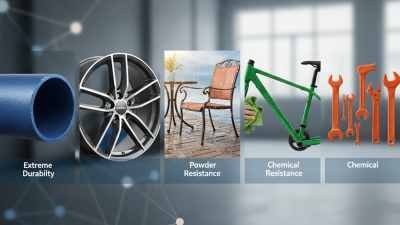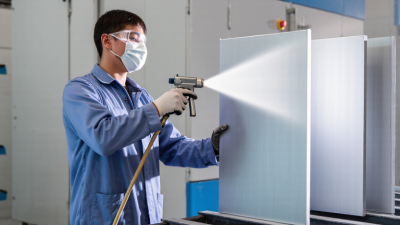
Choosing a finish for a metal part is not just a color decision. Metal Powder Coating can protect steel or aluminum from wear and corrosion, but results depend on the whole process. The substrate, surface preparation, coating type, and curing conditions all matter. A glossy sample may look perfect under bright showroom lights, then reveal scratches or uneven texture on a workshop floor. Small details count.
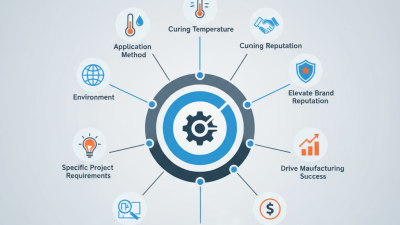
In 2026, compare options against the part’s real working conditions. Will it face moisture, sunlight, chemicals, frequent handling, or temperature changes? Ask the coater about pretreatment, film thickness, cure schedule, and quality checks. These details are more useful than a broad claim such as “industrial grade.” Request a sample on the same metal, if possible, and inspect it in ordinary lighting. Look closely at edges, holes, and corners. They can expose weak coverage.
There is no single best powder for every project. Polyester is often considered for outdoor use, while epoxy can suit indoor applications, but product specifications and exposure conditions should guide the choice. Confirm the manufacturer’s technical data rather than relying on the resin name alone. A durable finish may cost more upfront. That trade-off can be sensible, though not always. Even careful planning leaves room for surprises: color can vary between batches, and a surface that looks smooth may not suit every part. This guide helps you compare those factors and ask better questions before approving a coating.
Choosing between AAMA 2604 and 2605 starts with the metal’s real exposure. A sheltered indoor panel faces different risks from a sunlit façade near salt spray. AAMA 2604 sets demanding performance criteria, including five-year South Florida weathering exposure. AAMA 2605 raises the bar with ten-year exposure criteria and stricter requirements for appearance and durability. These are test benchmarks, not promises that a coating will last exactly five or ten years on every building.
Look beyond the number. Consider ultraviolet exposure, moisture, pollutants, cleaning methods, and how often the surface will be inspected. Check that the specified coating system is suitable for the substrate; architectural coating standards may not apply equally to every metal. Pretreatment, film thickness, and coverage at corners and cut edges matter too. A strong finish can still fail at a poorly prepared edge.
Exposure changes everything. For a coastal railing or a façade with little shade, 2605 may justify its higher specification when long-term color and gloss retention matter. In a less severe setting, 2604 may meet the project’s needs. Ask for documented test performance and confirm the project’s preparation and application requirements. A standard narrows the choice, but site conditions remain imperfectly predictable.

Choosing metal powder coating in 2026 starts with exposure, not the color chip. Polyester is usually the practical choice for outdoor railings, gates, and equipment housings. It resists UV fading and weathering better than epoxy. Epoxy suits indoor frames, cabinets, and machinery exposed to chemicals or frequent cleaning. Sunlight is its weakness: the finish can chalk and lose color. Hybrids blend epoxy’s indoor protection with polyester’s appearance, making them useful for indoor furniture and appliances. Not every hybrid tolerates outdoor sunlight well.
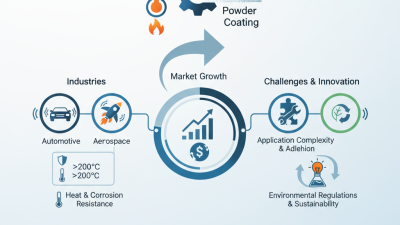
The Powder Coatings Market report from Grand View Research estimated the global market at USD 13.2 billion in 2023 and forecast 5.6% annual growth through 2030. That signals broad adoption, not that every powder fits every job. For architectural metal, compare coating systems with AAMA 2604 or 2605 performance requirements. These include weathering and corrosion tests. They do not promise identical service life on every site.
One detail gets overlooked: pretreatment and curing matter as much as resin type. A poorly cleaned gate can blister at welds, even with outdoor-grade polyester. Check the powder supplier’s cure schedule against the metal’s actual temperature, not just oven settings. Good indoors. Risky outside. Coastal salt, sharp edges, and standing water can change the choice, so match the specification to the real exposure.
How to Choose Metal Powder Coating in 2026?
Specify Pretreatment and Verify Coating Adhesion Using ASTM D3359
Reliable adhesion starts before powder reaches the metal. Remove oil, fingerprints, and shop residue with a cleaning process suited to the substrate. Then apply a compatible conversion pretreatment, rinse thoroughly, and dry the part completely. Steel and aluminum may need different preparation. A damp seam or missed rinse can undermine an otherwise sound coating.
ASTM D3359 uses pressure-sensitive tape to assess coating adhesion. It does not measure cure or corrosion resistance. Select the test method and cut spacing for the coating thickness, following the current standard and your quality procedure. Test fully cured, conditioned parts. Use a clean cutting tool, make consistent cuts, and record the method, film thickness, tape, and result. Small details matter. It is tempting to treat one passing panel as proof, but that is a weak assumption. Test representative parts, especially after pretreatment or process changes.
Tips: Keep a witness panel from each production run. Check cut edges for lifting, and photograph results under consistent lighting. If adhesion varies, review cleaning, rinse quality, drying, and cure records before changing the powder. A passing tape test is useful evidence, not the whole performance picture.
| Decision area | What to specify | Practical verification | Important qualification |
|---|---|---|---|
| Substrate and service environment | Identify the metal, part geometry, indoor or outdoor exposure, moisture, chemicals, UV exposure, and expected abrasion. | Review drawings and service conditions; confirm that the selected coating system is intended for the stated exposure. | No single powder chemistry or coating thickness is best for every metal and environment. |
| Pretreatment cleanliness | Require removal of oil, grease, dirt, rust, scale, and other contaminants before coating; define the cleaning and rinsing process for the substrate. | Check parts for visible contamination and water-break behavior where appropriate; monitor cleaning-bath and rinse conditions. | Inspection methods and process limits should be agreed for the material and production line. |
| Conversion coating or surface preparation | Specify a pretreatment compatible with the substrate and powder system, such as an appropriate conversion coating for steel or aluminum, or a defined mechanical preparation where suitable. | Document the pretreatment route and verify process controls, including concentration, temperature, contact time, and rinse quality as applicable. | Pretreatment selection depends on substrate, corrosion requirements, and applicable environmental or customer requirements. |
| Drying and handling before coating | Require parts to be dry and protected from recontamination between pretreatment and powder application. | Inspect for retained moisture, flash rust where relevant, and handling contamination before coating. | Part design and hollow or recessed areas can affect drainage and drying. |
| Powder selection | Define required appearance, gloss or texture, color tolerance, functional performance, and suitability for the intended environment. | Approve representative samples and confirm the powder’s technical data and processing instructions before production. | Performance depends on the complete coating system and application; do not infer suitability from appearance alone. |
| Film thickness | Set a target thickness and acceptable range based on the powder manufacturer’s data, part geometry, and the project specification. | Measure cured coating thickness with a suitable gauge and record results at representative locations. | Excessively thin or thick films can affect appearance and performance; the appropriate range is system-specific. |
| Curing | Specify the powder manufacturer’s required part-metal temperature and time at temperature, rather than relying only on oven air temperature or elapsed conveyor time. | Use a temperature-profiling method on representative parts to confirm the curing cycle under production conditions. | Cure requirements vary by powder formulation, part mass, and oven load. |
| Adhesion test method | Reference ASTM D3359 and identify the applicable method: Method A (X-cut) or Method B (cross-cut), selected for the coating and test surface. | Specify the test method, conditioning, cutting and tape procedure, inspection, and reporting requirements in the quality plan. | ASTM D3359 provides distinct rating scales for its methods. Method B is generally used for thinner coatings and may be unsuitable on rough surfaces; follow the current standard and project requirements. |
| Adhesion acceptance criterion | State the required rating and method in the purchase or inspection specification; define whether testing is on production parts, coupons, or both. | Record the method, rating, test location, coating condition, and any observed failure or peeling. | ASTM D3359 does not establish one universal pass/fail rating for all applications. Acceptance must be agreed by the parties. |
| Test limitations and follow-up | Treat the tape adhesion result as one quality check alongside agreed thickness, cure, appearance, and environmental-performance requirements. | If results fail or vary, investigate pretreatment, contamination, cure, film thickness, and test execution before corrective action. | The test is destructive at the test site and does not by itself predict long-term corrosion or field life. |
Specification note: Confirm test details against the current edition of ASTM D3359 and the coating manufacturer’s technical data. Agree on project-specific acceptance limits before production.
Choosing metal powder coating in 2026 means checking the cure schedule against the part’s actual metal temperature, not the oven display. Your 160–200°C range is a useful screening window, but it is not a universal recipe. The Powder Coating Institute’s industry handbook explains why cure depends on time at the specified part-metal temperature. A thick steel bracket may heat much more slowly than a thin panel. The difference matters.
Allow the coldest, thickest area to reach the coating’s specified temperature before counting the cure hold. Use a contact probe or calibrated temperature logger on a representative part; record the ramp and hold, not just the peak. ASTM D3451-22 provides a guide to testing powder coatings, but the coating’s technical data sheet should define its cure schedule. A smooth finish can still be under-cured. Check adhesion or other specified performance tests before approving a production run. Real parts can surprise you.
Tips: Run a small trial load with the heaviest part. Place a temperature probe at its slowest-heating section. If the oven air reaches 190°C but the metal does not, extending the timer alone may not fix the process. Document the result, and reassess when part thickness, loading, or airflow changes.
Compare the coating’s specified cure schedule with the part’s actual metal temperature (PMT).
These are representative schedule examples, not interchangeable specifications: 160°C for 20 minutes, 180°C for 10 minutes, and 200°C for 10 minutes. Cure time generally starts once the part reaches the specified PMT—not when it enters the oven. Confirm the exact schedule in the coating manufacturer’s technical data sheet, and verify PMT on the actual part.
When choosing a metal powder coating in 2026, ask for corrosion data tied to a clear test method. ASTM B117 exposes coated panels to a salt fog made with 5% sodium chloride at 35°C. The chamber creates a consistent corrosive environment, but the test does not reproduce every outdoor condition. Keep it controlled.
Prepare test panels with the same metal, pretreatment, coating thickness, and cure schedule planned for production. Add a scribe through the coating when the evaluation requires it, and record the test duration and inspection criteria before testing. Details matter.
After exposure, inspect for rust, blistering, and corrosion spreading from the scribe. Photograph the panels under consistent lighting; small visual differences can be easy to miss.
A clean result can still mislead if the sample edges were protected differently from real parts. ASTM B117 results help compare coatings under set conditions, but they do not directly predict years of service.
Pair the report with field requirements, especially for sharp edges, joints, and areas exposed to standing moisture.