Top Insights on Laser Powder Bed Fusion Technology in Additive Manufacturing?
Laser Powder Bed Fusion (LPBF) is revolutionizing the realm of additive manufacturing. Industry expert Dr. Emily Carter, an influential figure in this field, stated, "LPBF is not just about technology; it's about harnessing limitless possibilities." This profound insight encapsulates the potential of LPBF to transform industries.
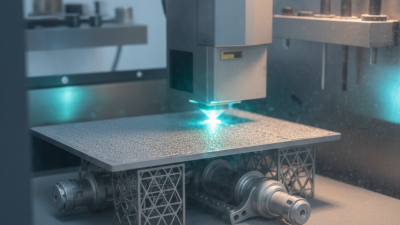
LPBF employs a powerful laser to fuse metallic powders layer by layer, creating complex geometries that were once unimaginable. This process offers unparalleled design freedom. However, challenges remain, such as optimizing energy efficiency and minimizing defects. The intricacies of controlling parameters can make or break a successful production run.
As the technology advances, we must reflect on its implications. Is our understanding of material properties keeping pace with developments in LPBF? Providing adequate training to engineers and technicians is equally essential. The journey with Laser Powder Bed Fusion continues, but ongoing dialogue is critical to addressing its limitations.
Overview of Laser Powder Bed Fusion Technology
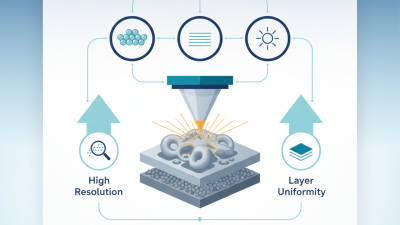
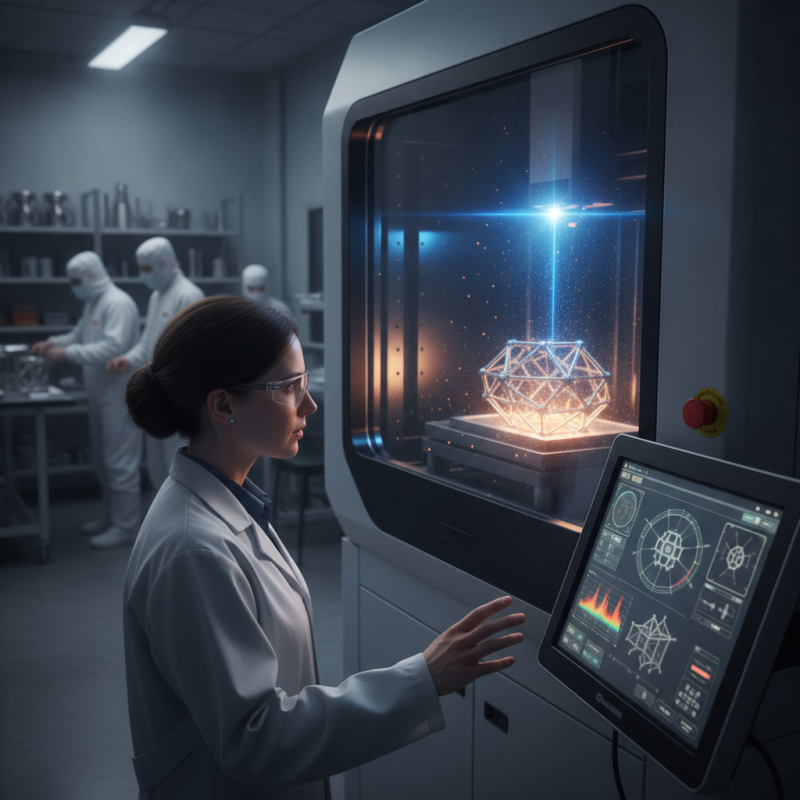
Laser Powder Bed Fusion (LPBF) is a key technology in additive manufacturing. This method uses a laser to melt powdered materials layer by layer. Each layer solidifies as the laser moves, creating complex geometries. The precision and detail achievable with LPBF are impressive, allowing for intricate designs that traditional manufacturing methods struggle to match.
The materials often used in LPBF include metals like stainless steel and titanium. These materials lend themselves well to various applications, especially in aerospace and medical sectors. However, challenges remain. The cooling rates can lead to residual stresses in the parts, impacting their mechanical properties. Careful design of part geometry is essential to mitigate these risks.
Despite its advantages, LPBF is not without limitations. The speed of production can be slower compared to other methods. Additionally, the post-processing of LPBF parts may require significant effort. It's essential to evaluate whether LPBF is the best choice for specific projects. Understanding these nuances helps in making informed decisions in additive manufacturing.
Fundamental Principles of Additive Manufacturing in Laser Processing
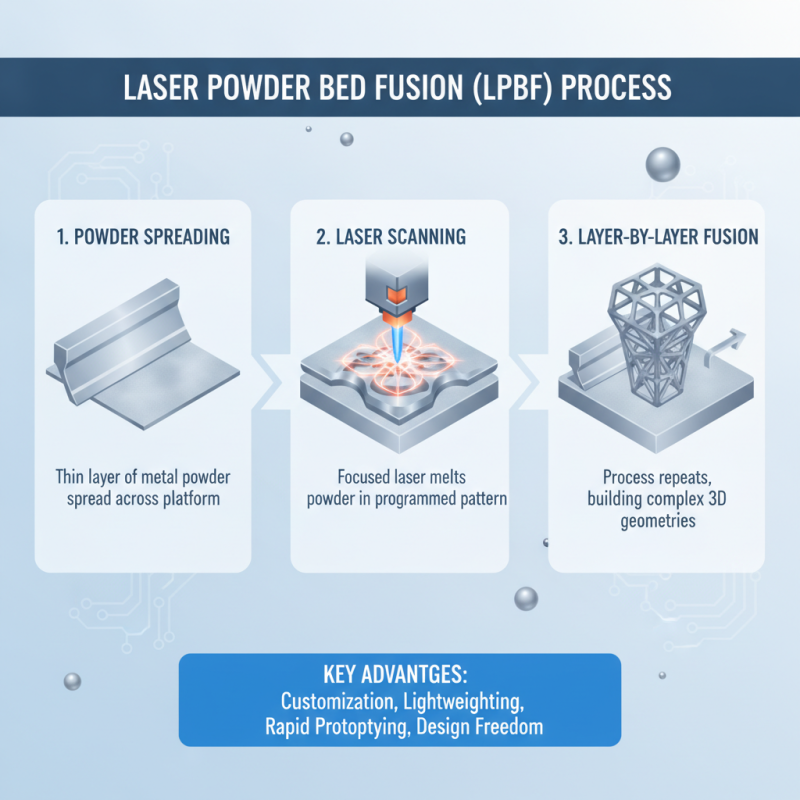
Laser Powder Bed Fusion (LPBF) represents a remarkable advancement in additive manufacturing. This technology relies on a focused laser beam to fuse fine particles of metal powder layer by layer. Each layer is precisely melted, allowing for complex geometries unattainable by traditional methods. The process starts with a thin layer of powdered material spread across a build platform. The laser scans the pattern required, creating a solid structure as the powder fuses together.
Understanding the fundamental principles of additive manufacturing is crucial. The thermal interaction between the laser and the powder influences the properties of the final product. Factors such as laser power, scanning speed, and layer thickness play vital roles. Variations can lead to defects like porosity or warping. It’s essential to optimize these parameters based on the specific material and desired outcome. For example, a slower scanning speed may yield better density but increase production time.
The accuracy of LPBF technology lies in its precision. However, achieving perfect results requires ongoing experimentation and adjustment. Operators must continually analyze the process to identify and rectify inconsistencies. This iterative approach promotes learning and improvement, essential for achieving high-quality parts. Balancing efficiency and quality remains a challenge, highlighting the need for continuous refinement in the LPBF process.
Materials Used in Laser Powder Bed Fusion: Selection and Properties
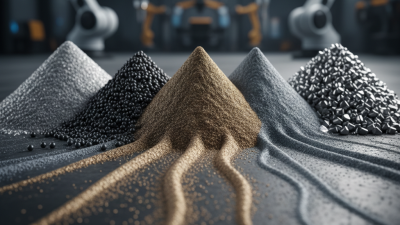
Laser Powder Bed Fusion (LPBF) technology plays a crucial role in additive manufacturing, particularly in selecting the right materials. This process uses a laser to fuse metallic powders layer by layer, creating complex geometries. The choice of materials directly affects the final properties of the produced parts. Common materials include titanium alloys, stainless steels, and cobalt-chrome alloys, which offer unique strength and corrosion resistance.
Titanium alloys, for instance, are favored for their lightweight nature and strength. They are often used in industries like aerospace and medical implants. On the other hand, stainless steels offer excellent corrosion resistance but may not provide the same level of performance in high-stress applications. Each material comes with its challenges, such as the need for optimized process parameters to prevent defects.
Understanding the properties of these materials is essential. Variations in powder size and distribution can alter the flowability and ultimately affect the quality of the final product. Potential issues, like porosity and warping, need careful consideration during the manufacturing process. Choosing the right material requires a balance between desired properties and potential manufacturing challenges.
Applications and Industries Utilizing Laser Powder Bed Fusion Technology
Laser Powder Bed Fusion (LPBF) technology is revolutionizing various industries through innovative applications. This additive manufacturing technique is increasingly utilized in the aerospace and automotive sectors. For instance, the aerospace industry uses LPBF for producing lightweight, complex components that require high precision. Reports indicate that the global LPBF market is projected to grow significantly, reaching $1.5 billion by 2026.
In the medical sector, LPBF is gaining traction for creating custom implants and prosthetics. The technology enables the production of intricately designed structures tailored to individual patient needs. This level of personalization enhances recovery and aligns with the growing demand for patient-specific medical solutions. However, challenges such as material limitations and post-processing requirements still exist.
Additionally, the tooling industry benefits from LPBF’s capabilities. Manufacturers are using this technology to develop molds with improved performance and reduced lead times. Some estimates suggest that LPBF can cut tooling costs by up to 50%. Yet, many companies face hurdles in adopting this technology fully, primarily due to the initial investment and skill gaps in handling advanced machines. Exploring these dimensions reveals a landscape ripe with potential, albeit accompanied by notable challenges.
Challenges and Future Directions in Laser Powder Bed Fusion Process
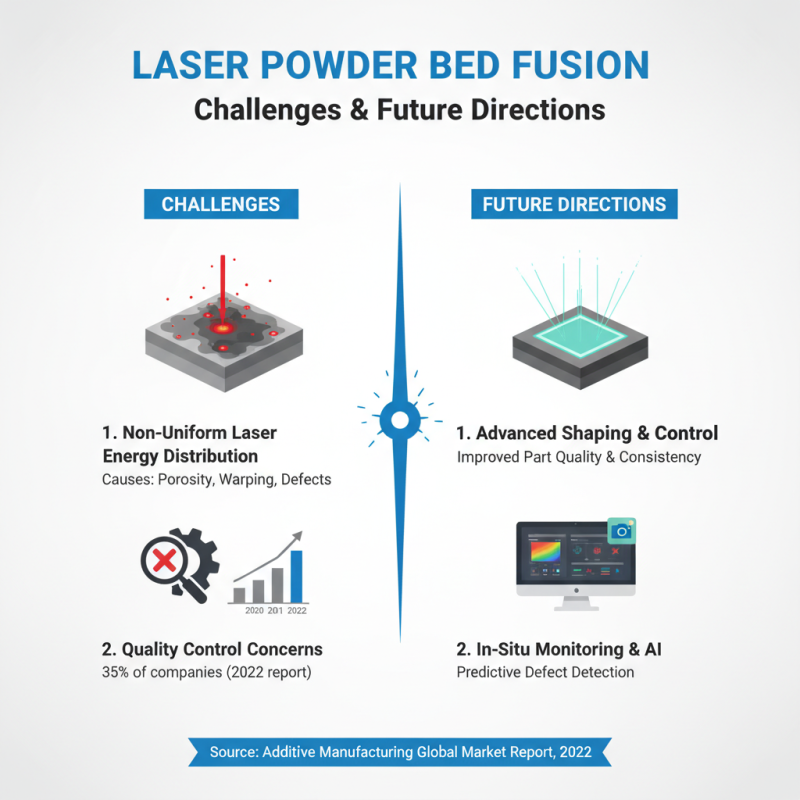
Laser Powder Bed Fusion (LPBF) has gained traction in additive manufacturing due to its ability to create complex geometries with high precision. However, several challenges persist. A significant hurdle involves achieving uniform laser energy distribution across the powder bed. Inconsistent energy application can lead to defects, such as porosity or warping. According to a 2022 report by the Additive Manufacturing Global Market, around 35% of companies highlighted quality control as a critical concern in LPBF processes.
Amid these challenges, advancing technologies present promising directions. Research indicates that integrating machine learning can enhance process monitoring and control. This integration helps predict defects and improve material properties. A study from MIT found that companies employing predictive analytics in LPBF reported a 25% reduction in defect rates.
**Tip:** Regular calibration of the laser and careful selection of powder materials can mitigate issues that often arise in LPBF processes. Consider investing in real-time monitoring systems to capture process variables, ensuring a consistent output.
Engaging with the community through forums can provide insights into common challenges faced. Networking with experts can lead to solutions or innovations that push the boundaries of LPBF capabilities. A recent industry survey indicated that 40% of manufacturers value shared knowledge for overcoming obstacles in production efficiency.