Best Powder Coating Temperature for Optimal Finish?
Achieving the optimal finish in powder coating largely depends on the precise control of the Powder Coating Temperature. Studies reveal that maintaining an ideal temperature range between 350°F to 400°F significantly enhances the durability and appearance of the final product. This range not only ensures proper curing but also maximizes adhesion and minimizes defects.
Industry reports indicate that improper temperature settings can lead to various issues. For instance, temperatures that are too low may result in incomplete curing, while excessive heat can cause distortions or uneven surfaces. An analysis from the Powder Coating Institute highlights that about 30% of all coating failures trace back to inadequate temperature management.
Recognizing the significance of these parameters is crucial for professionals. Factors such as substrate type and thickness can influence the required temperatures. Therefore, consistent monitoring and adjustments are essential for achieving the best possible results in the powder coating process. Making informed decisions about Powder Coating Temperature can profoundly affect quality outcomes.
Understanding Powder Coating and Its Process
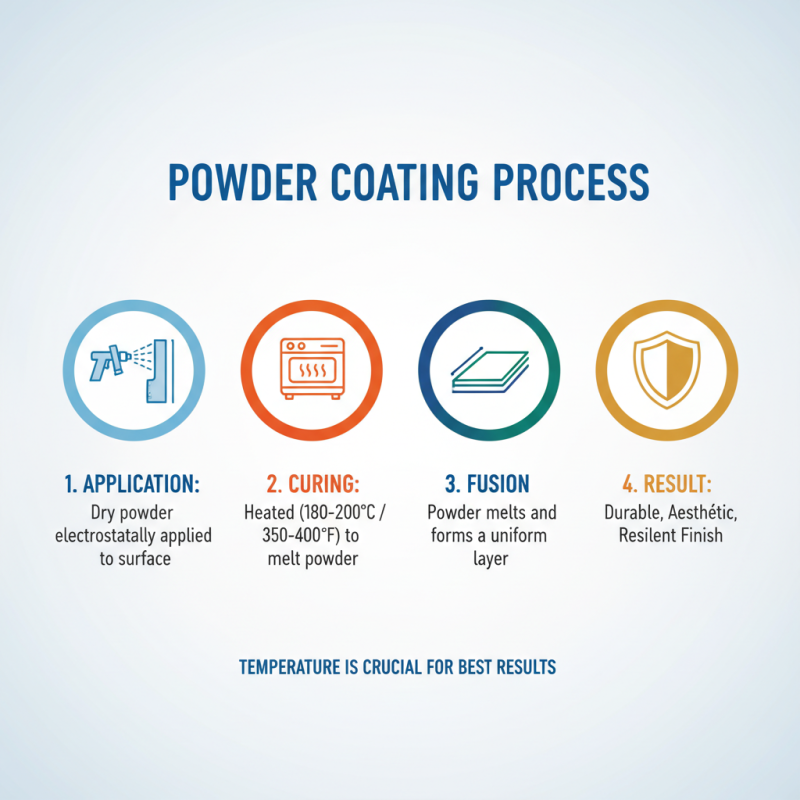
Powder coating is a popular finishing process that enhances durability and aesthetics. It involves applying a dry powder to a surface, which is then heated to form a solid and resilient layer. Understanding this process is vital for achieving the best results, particularly when considering temperature.
The powder must be heated to a specific range for optimal adhesion. A temperature that is too low can lead to inadequate curing. Conversely, overheating can cause bubbling or warping. Generally, the ideal curing temperature ranges between 350°F and 400°F. Consistency in temperature is crucial; fluctuations can impact the final finish significantly.
Even experienced professionals may face challenges during the application. Factors such as humidity and surface preparation affect the outcome. Proper surface cleaning is essential; any contaminants can hinder adhesion. Throughout the process, constant monitoring of temperature and environment is necessary to avoid imperfections. Each step needs attention, and learning from past experiences helps improve future applications.
Factors Influencing Powder Coating Temperature
When it comes to powder coating, temperature plays a crucial role in achieving the desired finish. Several factors influence the optimal temperature for powder coating. First, the type of powder used can significantly affect the curing process. Different powders require varying temperatures, generally ranging from 325°F to 400°F. For example, polyester powders often cure at lower temperatures, while epoxy powders may need more heat. Understanding these specifications is vital for a successful application.
Surface preparation also impacts the coating performance. Contaminants like dust and grease can lead to poor adhesion, resulting in a subpar finish. According to industry reports, surface defects account for nearly 30% of coating failures. Ensuring a clean surface aids in better thermal transfer during curing. Furthermore, the application method can change the temperature distribution. An electrostatic spray gun disperses powder unevenly, which might cause some areas to cure too quickly or too slowly.
Humidity and environmental conditions are additional variables. High humidity can lead to moisture being trapped under the coating, causing bubbles. The American Powder Coating Institute notes that maintaining optimal moisture levels is crucial for a consistent finish. So, achieving the right temperature isn't just about the heat; it involves carefully considering these interrelated factors to optimize the final product.
Optimal Temperature Ranges for Different Powder Types
When considering the best powder coating temperature, it's essential to match the temperature to the specific type of powder being used. Different powders have unique optimal temperature ranges that can significantly affect the finish quality.
For thermosetting powders like epoxy and polyester, a common ideal temperature range is between 350°F and 400°F (175°C to 204°C). This ensures the powder properly flows and adheres to the substrate. Lowering the temperature below this range may result in incomplete curing, risking a brittle finish. Conversely, temperatures above the recommended levels can lead to burning or discoloration.
Polyurethane powders typically require slightly lower temperatures, around 320°F to 360°F (160°C to 182°C). Working at unsuitable temperatures can produce uneven finishes, requiring additional adjustments or reapplication. It's crucial to consult the technical data sheets for specific guidance.
Tips: Always preheat your metal parts to avoid temperature shock when powder is applied. Keeping the workspace clean ensures no contaminants settle into the finish. Finally, practice on test pieces can provide critical learning experiences before coating essential items.
Best Powder Coating Temperature for Optimal Finish
Effects of Temperature on Finish Quality and Durability
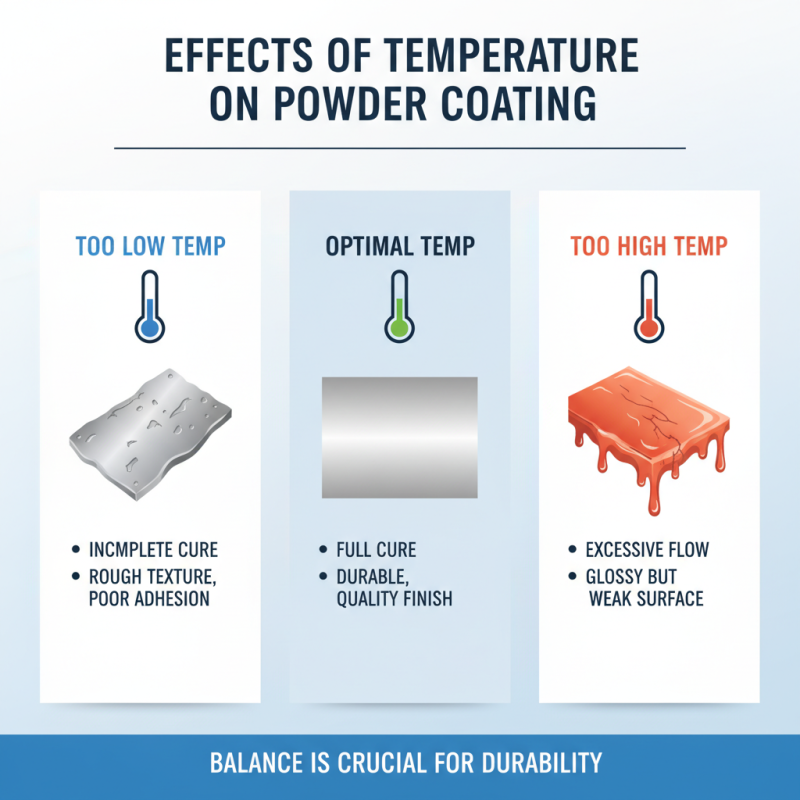
The temperature during the powder coating process plays a significant role in the final quality of the finish. When the temperature is too low, the powder may not fully cure. This can lead to a rough texture and poor adhesion. If the temperature is too high, it can cause the powder to flow excessively, resulting in a glossy but weak surface. Achieving the right balance is crucial for a durable finish.
Each material reacts differently to heat. For metals, a temperature around 350°F is often optimal. However, this may vary depending on specific types of powder. Some powders require a slightly higher or lower range. This complicates the process, as not all operators have the same experience with these variables. Even seasoned professionals can overlook minor factors that impact the outcome.
Inconsistent temperatures can lead to defects in the coating. Fading or discoloration can occur when parts are exposed to fluctuating heat. Moreover, these flaws make it hard to maintain a high-quality appearance. The challenge lies in finding the sweet spot for temperature and keeping it consistent throughout the coating run. It’s essential to monitor and adjust based on real-time observations.
Techniques for Achieving Consistent Powder Coating Temperatures
Achieving consistent powder coating temperatures is crucial for a high-quality finish. In the powder coating process, temperature variations can lead to uneven curing, resulting in defects. Research from industry experts indicates that the optimal curing temperature typically ranges from 350°F to 400°F (about 177°C to 204°C). Within this range, professionals report that maintaining a stable environment is essential.
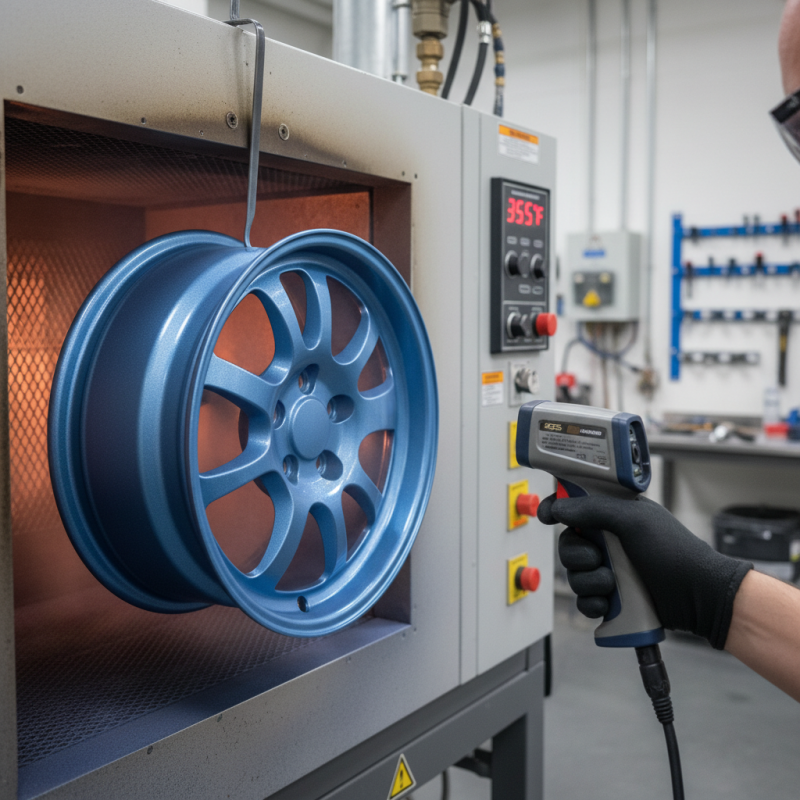
Using a temperature gauge is vital. Some operators rely on infrared thermometers, ensuring even heat distribution across the surface. Calibration of curing ovens is equally important. Any fluctuation can cause issues. A recent report highlighted that improper temperature controls led to a 25% increase in unsatisfactory finishes in some facilities.
Another technique involves preheating the parts before applying the powder. This can enhance adhesion and improve the final outcome. However, too much heat may cause the powder to clump, leading to uneven surface texture. Regular training and updates for staff can help mitigate common errors in temperature management. Even minor adjustments can make a significant difference in coating quality.
Best Powder Coating Temperature for Optimal Finish? - Techniques for Achieving Consistent Powder Coating Temperatures
| Temperature (°F) |
Recommended Time (Minutes) |
Finish Quality |
Common Issues |
| 350 |
15-20 |
Smooth, even |
Low adhesion |
| 375 |
10-15 |
High gloss |
Overcuring |
| 400 |
8-12 |
Excellent durability |
Discoloration |
| 425 |
5-10 |
Very high gloss |
Burn-through |
| 450 |
3-5 |
Exceptional finish |
Severe overbake |