Leave Your Message

What Are Powder Metals Used For?

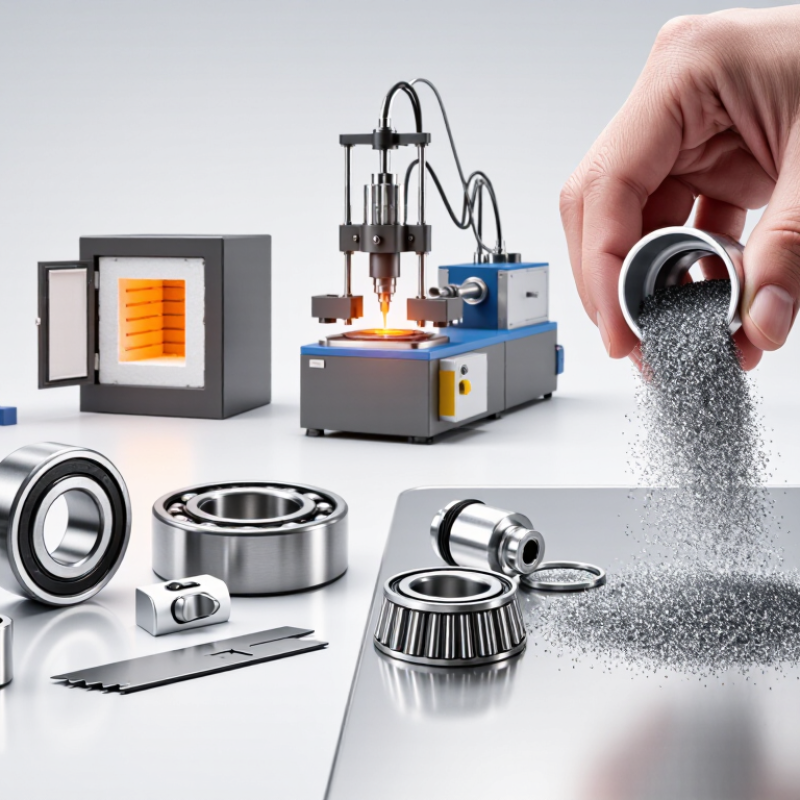
Powder Metals are used to make precise components from metal powders, often with less material waste than conventional machining. The process can produce small gears, porous bearings, cutting tools, filters, and parts for vehicles and appliances. Some products are pressed and heated; others are formed through metal injection molding or additive manufacturing. The method matters. So does the powder.

Randall M. German, a researcher and author in powder metallurgy, has written extensively about how powder characteristics and processing affect the final material. A paraphrase of this central idea is: “Powder properties and processing shape the finished part.” That is a useful starting point, not a promise that every powder-made component will perform alike. Particle size, composition, density, and heat treatment can influence strength, wear resistance, and dimensional accuracy. A tiny bearing may rely on connected pores to hold lubricant. A compact gear may need a dense structure to withstand repeated loads. These details are easy to overlook. Powder Metals also have limits: tooling costs, design constraints, and quality-control demands can make another manufacturing route more suitable. The right choice depends on the part, its working conditions, and the volume required. There is no single best process. Understanding these trade-offs helps explain where powder-based manufacturing earns its place—and where it may not.
What Are Powder Metals Used For?

How Powder Metals Are Formed into Components

Powder metal components begin as carefully measured particles, not molten metal poured into a mold. Manufacturers blend metal powders with small amounts of lubricant or other additives to improve handling and forming. The blend must stay consistent. A change in particle size or mixing can affect how evenly a die fills.

In conventional powder metallurgy, the blend enters a shaped steel die. A press compacts it under high pressure, forming a fragile part called a “green” compact. It already resembles the final component, but it can still chip. Next, the compact is heated in a controlled furnace below the metal’s melting point. This sintering step bonds particles together and builds strength. Temperature, time, and atmosphere matter. Small shifts can change dimensions or mechanical performance.

Some parts receive further operations, such as sizing, machining, heat treatment, or surface finishing. These steps can improve accuracy or meet a specific design requirement, but they add cost and process complexity. Powder methods suit repeatable shapes, including gears, bushings, and structural parts. They are not ideal for every geometry or load. That part matters. Engineers compare the component’s shape, material needs, and production volume before choosing the process. In practice, a design may need revision after early trials; the first drawing is not always the final answer.

What Are Powder Metals Used For? - How Powder Metals Are Formed into Components
Component or Product Typical Powder Material How It Is Formed Common Uses Why Powder Metallurgy Is Suitable
Sintered gears and sprockets Iron-based powders, often with alloying additions such as copper, nickel, or molybdenum Powder is compacted in a shaped die, then heated below its melting point to bond the particles. Sizing or heat treatment may follow. Automotive systems, small motors, pumps, and appliances Near-net shaping can produce repeatable tooth profiles with limited material waste.
Self-lubricating bearings and bushings Bronze or iron-based powders The powder is pressed and sintered to create a controlled network of pores. The part is commonly impregnated with lubricating oil. Fans, electric motors, office equipment, and small machinery Connected pores can retain oil and release it during operation.
Porous metal filters and silencers Stainless steel, bronze, or other corrosion-resistant metal powders Powder is compacted or otherwise shaped and sintered while preserving interconnected pores. Pore size depends on powder and processing conditions. Fluid and gas filtration, process equipment, and pneumatic exhaust components A porous structure allows fluid or gas to pass while capturing particles or reducing noise.
Cutting-tool inserts and wear parts Tungsten carbide powder with a metallic binder, commonly cobalt Powders are blended, compacted, and sintered into cemented carbide; finishing operations may be used to achieve final geometry. Machining inserts, mining tools, dies, and abrasion-resistant components The carbide-binder structure combines high hardness and wear resistance with useful toughness.
Small, complex precision parts Fine stainless-steel, titanium, or other alloy powders In metal injection molding, fine powder is mixed with a binder, injection molded, then debound and sintered. Small medical, electronic, and mechanical components The molding step can make detailed shapes and small features in production quantities.
High-performance aerospace and industrial parts Nickel-based superalloys, titanium alloys, or other engineering alloys Powder can be consolidated by hot isostatic pressing, which applies high temperature and gas pressure to densify the material. Selected turbine, energy, and demanding industrial applications Consolidation can produce dense parts from alloy powders; suitability depends on material, design, and qualification requirements.

Common Applications in Automotive and Aerospace

What Are Powder Metals Used For?
Common Applications in Automotive and Aerospace

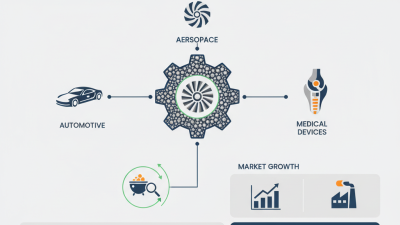
In automotive manufacturing, powder metals help produce compact, repeatable parts in high volumes. Iron-based powders are pressed and heated into components such as oil-pump rotors, sprockets, and transmission gears. Their near-net shape can reduce machining and material waste. That matters on a busy production line. Some parts also combine different powder materials or include small, detailed features that would be costly to machine from solid stock. Still, powder processing is not automatically cheaper; tooling, part size, and required strength all affect the choice.

Aerospace applications place greater emphasis on material consistency and inspection. Powder-based routes can make nickel-alloy turbine components that must tolerate high temperatures, while titanium powders are used in some lightweight structural parts. Additive manufacturing can form intricate brackets and ducts with less leftover material than traditional machining. The trade-off is demanding process control: powder quality, heat treatment, and internal defects need careful monitoring. Not always simple. A lightweight part may look ideal on a drawing, yet fatigue performance and inspection access can complicate its real-world use. Engineers weigh those limits against weight savings, geometry, and service conditions.

Uses in Medical Devices and Consumer Products

What Are Powder Metals Used For?

Uses in Medical Devices and Consumer Products

Powder metals help manufacturers form small, precise components with less machining. In medical devices, they may be used for instrument parts, implant components, and compact mechanisms. Powder processing can create controlled pores in some titanium parts, allowing bone tissue to grow into the surface. That design requires careful material selection and testing; porosity alone does not make a part suitable for implantation. Fit matters.

Medical components must meet demanding requirements for cleanliness, strength, corrosion resistance, and consistent production. A powder-metal part is not automatically safe for patient contact. Its intended use, manufacturing controls, and validation all matter. Even a tiny change in density or surface finish can affect performance, so inspection needs to match the part’s function.

Consumer products use powder-metal components in appliances, power tools, locks, and small mechanisms. A compact gear or bushing can be pressed into shape, then heated to bond the metal particles. This can reduce material waste and produce repeatable parts at scale. The trade-off is easy to overlook: the process has design limits, and not every shape or load suits it. Engineers still need to test parts under realistic use, including heat, vibration, and wear. A quiet failure is still a failure.

Roles in Cutting Tools, Filters, and Electrical Parts

Powder metals are useful when a component needs a controlled mix of strength, hardness, or porosity. In cutting tools, fine tungsten carbide powder is commonly combined with a metallic binder and pressed into shape. Sintering bonds the particles into a dense, wear-resistant edge. The finished tool can keep its cutting geometry through repeated contact with hard materials. Small changes in powder size or binder content can affect toughness, so production requires careful control. It is not a magic fix.

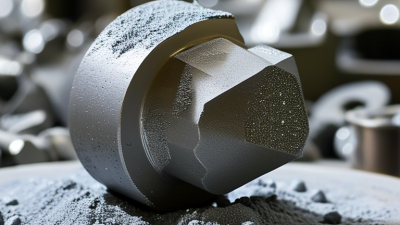
Filters use powder metal in a different way. Stainless-steel or bronze particles can be sintered while leaving connected pores between them. Fluid or gas passes through those pores, while larger particles are held back. A practical example is a porous metal tube with a visible, grainy surface. Pore size, wall thickness, and cleaning conditions all matter; a filter that is too fine may restrict flow. The trade-off is real.

Tips: Match the material to the job. For cutting tools, consider wear and impact resistance. For filters, check pore size and pressure needs. Electrical parts may use copper or other conductive powders for contacts and heat-management components. Confirm conductivity, temperature limits, and joining requirements before choosing a powder route. Test samples in realistic conditions; published material data cannot capture every assembly detail.

How Material Properties Shape Powder Metal Applications

Powder metallurgy shapes parts by compacting metal powders and heating them below their melting points. The resulting material’s density, alloy, and pore structure determine its performance. Iron-based powders suit gears, bushings, and structural parts that need strength at practical cost. Copper-rich blends conduct heat and electricity. Small pores matter.

Designers can tune porosity to retain lubricant in self-lubricating bearings. But pores can also reduce fatigue strength, so “more porous” is not automatically better. IEA’s Global EV Outlook 2024 reports nearly 14 million electric-car sales in 2023, about 18% of global car sales. That growth expands demand for compact motors and thermal-management hardware, where powder-formed components can support complex shapes. The IEA figure measures vehicle sales, not powder-metal content; it signals market context, not a direct component forecast.

For cutting tools and wear-resistant parts, hardmetal powders combine tungsten carbide with a binder, commonly cobalt. The U.S. Geological Survey’s Mineral Commodity Summaries 2024 estimated global cobalt mine production at 230,000 metric tons in 2023. The number reflects supply, not powder-metal consumption. Still, it highlights why binder availability and material cost matter alongside hardness. A dense, hard part may last longer, yet it can be brittle under impact. Engineers have to test the actual load, temperature, and lubrication conditions; a neat material datasheet cannot capture every shop-floor surprise.

What Are Powder Metals Used For?

Material properties help determine where powder-metallurgy materials are used. This chart compares the approximate melting points of representative materials with common application examples.

Melting points are approximate values for the listed materials; they are not recommended operating temperatures. Actual powder-metal component properties depend on composition and processing.