2026 Best Powder Coated Stainless Steel Types?
Choosing the best Powder Coated Stainless Steel in 2026 starts with the job, not the finish color. A railing beside a pool faces different conditions from a kitchen panel or an outdoor sign. Grade, surface preparation, coating chemistry, and exposure all affect how well the finished part performs. A glossy sample may look convincing under showroom lights. It may tell you little about years of moisture, cleaning, and abrasion.
This guide compares common stainless steel grades, including 304 and 316, and explains where each may be a practical fit. It also covers how powder coating differs from the stainless base metal, why pretreatment matters, and what to ask a fabricator before ordering. In many ordinary indoor settings, 304 may be sufficient; chloride exposure can make 316 worth considering. Neither grade is automatically the right choice for every project. Details matter. Ask for the specified grade, coating system, surface-preparation method, and relevant test or warranty information. A coating can conceal the metal beneath it, so appearance alone is not proof of material quality. Real performance depends on the whole system and the conditions it will face. Even a careful comparison has limits: installation, maintenance, and local exposure can change the outcome. That is easy to underestimate.
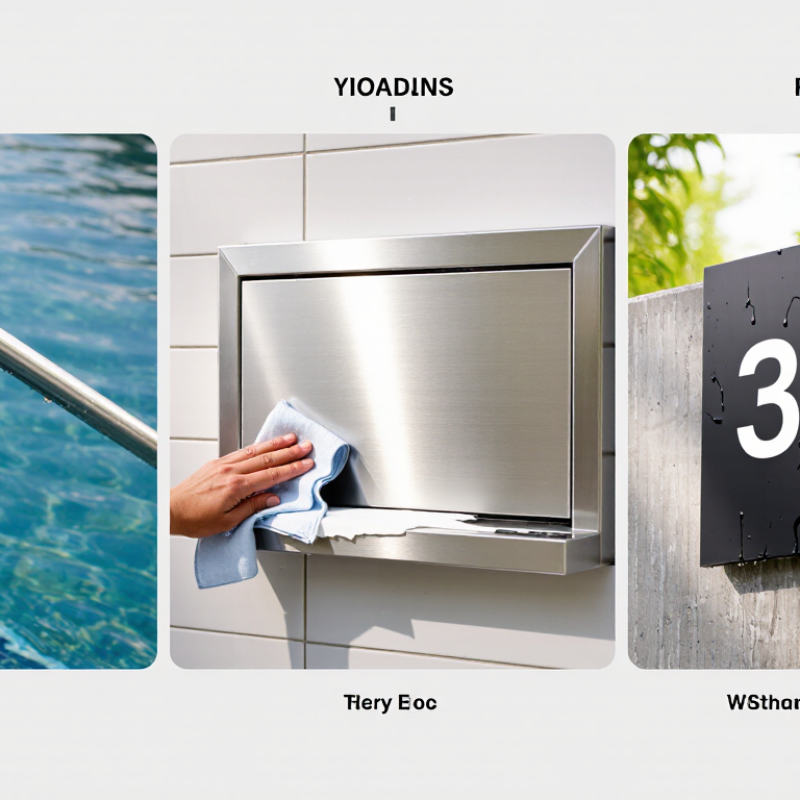
Powder-Coating Basics: Pretreatment, Curing, and ASTM D7091 Thickness Checks
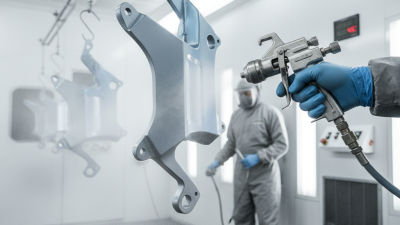
Powder-coated stainless steel can offer a durable, colorful surface, but adhesion depends on careful preparation. Remove oil, fingerprints, and shop residue with a suitable cleaner, then rinse and dry thoroughly. A clean surface should not feel slick. Stainless steel’s passive oxide layer can make bonding less predictable, so use a compatible pretreatment or controlled abrasion where the coating system allows it. Avoid assuming every stainless grade needs the same process.
Curing needs equal attention. Follow the powder supplier’s specified time at the part’s metal temperature, not just the oven’s air setting. A thermocouple attached to a representative workpiece can reveal slow heating in thick sections or dense loads. Too little heat may leave the coating soft; excess heat can affect appearance. Small details matter. A glossy finish alone proves little.
After curing, check dry-film thickness using ASTM D7091 procedures and an instrument suited to the substrate. Eddy-current gauges are commonly used on nonmagnetic stainless; magnetic gauges may suit magnetic grades. Verify the gauge on suitable standards, and take readings at several locations, including edges and flat areas. D7091 describes measurement practice, not a universal pass thickness. Compare results with the project specification, and record any uneven readings rather than trusting one convenient spot.
304 vs. 316: ASTM A240 Grades and 316’s 2–3% Molybdenum
For powder-coated stainless steel, the choice between 304 and 316 starts beneath the finish. ASTM A240/A240M specifies 304 with 18–20% chromium and 8–10.5% nickel. For 316, it specifies 16–18% chromium, 10–14% nickel, and 2–3% molybdenum. That molybdenum is the key difference. It improves resistance to pitting and crevice corrosion, especially where chloride salts collect.
The International Molybdenum Association’s Practical Guidelines for the Fabrication of Austenitic Stainless Steels describes molybdenum’s role in improving resistance to localized corrosion. In practical terms, 316 is often the safer substrate near coastal spray, de-icing salt, or cleaning solutions containing chlorides. 304 may suit sheltered indoor fixtures or less aggressive environments. Conditions matter. Salt trapped at a cut edge can challenge either grade.
Powder coating adds a barrier, but it does not change the alloy underneath. Specify the stainless grade separately, and ask the coater how edges, welds, and fastener holes will be pretreated. These details can determine whether moisture creeps beneath the finish. A glossy sample is not enough. I would also verify the mill certificate against ASTM A240/A240M; coating color alone cannot reveal the substrate grade.
Best Indoor Choice for 2026: Powder-Coated 304 for General Use
2026 Best Powder Coated Stainless Steel Types?
Best Indoor Choice for 2026: Powder-Coated 304 for General Use
For indoor shelves, cabinets, and equipment covers, powder-coated 304 is a practical general-purpose choice. Its stainless substrate offers useful corrosion resistance, while the cured coating adds color and a smooth, wipeable surface. ASTM A240/A240M lists 304 stainless steel with 18.0–20.0% chromium and 8.0–10.5% nickel. These elements support its resistance to everyday indoor moisture, though they do not make it immune to corrosion. A kitchen splash, damp cloth, and ordinary handling are reasonable conditions; persistent chemical exposure is not.
The coating matters, too. A powder finish can hide fingerprints and provide a consistent appearance across panels, but it is not armor. A sharp impact may chip an edge, and trapped moisture can then leave a mark that is easy to miss. Inspect corners and drilled openings, especially on frequently handled parts. Clean with a soft cloth and mild detergent, then dry the surface. Avoid abrasive pads that may dull the finish. For ordinary, dry interiors, 304 usually balances durability, appearance, and maintenance well. One caveat: it may be more material than a dry office fixture needs, and coating quality varies with pretreatment and application. Check the finish specification, not just the steel grade.
Best Coastal Choice: Powder-Coated 316L for Chloride Exposure
For coastal projects, powder-coated 316L stainless steel is a strong choice where chloride exposure is expected. Its molybdenum content improves resistance to pitting compared with common 304 stainless steel. The powder coating adds a colored barrier and helps protect the surface from salt spray. It is useful on railings, outdoor fixtures, and equipment near the shoreline.
Preparation matters. The stainless surface should be cleaned and properly pretreated before coating, and the powder must be fully cured. Inspect corners, welds, fastener holes, and cut edges closely. One weak edge can let moisture reach the metal beneath the finish. Salt can collect there, especially where water drains poorly.
No coating is maintenance-free. Rinse deposits away with fresh water, then check for chips or blistering after rough weather. If the finish is damaged, prompt repair can limit underfilm corrosion, though matching the original coating may be difficult. I would not treat 316L as invulnerable; it can still pit in harsh, sheltered crevices. That caveat matters. Proper detailing and routine inspection often matter as much as the alloy choice.