Leave Your Message


Choosing among the top Powder Coated Stainless Steel suppliers requires more than comparing catalog prices. The right supplier should demonstrate material knowledge, consistent finishing practices, and reliable quality control. Stainless steel grade, coating thickness, surface preparation, and curing temperature can all affect performance. A sample panel often reveals more than a polished sales presentation.
This guide examines suppliers through practical criteria used in real purchasing decisions. These include production capacity, color consistency, corrosion resistance, dimensional accuracy, packaging, and delivery reliability. Ask whether the supplier provides mill certificates, coating test results, inspection records, and clear warranty terms. Independent certifications can strengthen confidence, but they should be verified rather than accepted without question. Experience with architectural panels, industrial enclosures, furniture components, or outdoor equipment may also indicate useful specialization.
Details matter. A properly finished panel should feel even, without thin edges, visible pinholes, or rough corners. Yet no supplier is perfect. Small shade differences may appear between production batches, especially when orders are placed months apart. That reality deserves honest discussion before approval. Lead times can also change because of raw material shortages, custom colors, or additional testing. Reliable suppliers explain these risks early and offer workable solutions. Price still matters, but the cheapest quotation may create higher costs through rework, premature coating failure, or missed installation dates. The following sections compare leading suppliers and show how buyers can evaluate claims with evidence, careful questions, and realistic expectations.
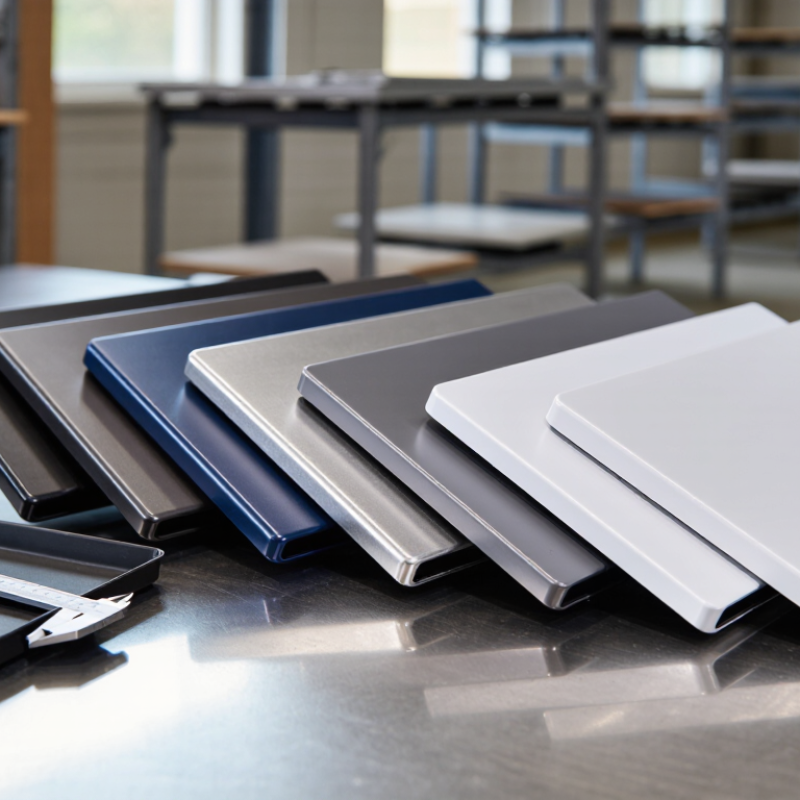
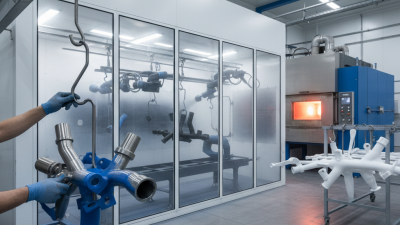
Powder coated stainless steel combines a corrosion-resistant metal base with a cured polymer finish. The coating begins as dry powder, applied electrostatically, then hardened inside a heated oven. This process creates a smooth, even surface without liquid paint solvents.
The finish offers color flexibility, strong abrasion resistance, and easier cleaning. A satin black panel can hide fingerprints better than polished steel. In coastal areas, however, salt exposure still demands proper stainless grade selection and careful edge protection. Powder coating is durable, but it is not flawless. Sharp impacts can chip the surface and expose the metal underneath.
Common uses include elevator doors, outdoor railings, kitchen equipment, architectural panels, retail fixtures, and machinery guards. I have seen well-finished panels remain attractive after years of routine cleaning. Poor preparation tells a different story. Oil, dust, or trapped moisture may cause peeling around welds and corners.
Reliable suppliers should explain the stainless grade, pretreatment method, coating thickness, curing temperature, and inspection process. They should also provide sample panels for color and adhesion checks. Small details matter. A responsible technical team will discuss cleaning chemicals, outdoor exposure, and repair procedures before production. Buyers comparing powder coated stainless steel suppliers should question vague durability claims. Real performance depends on metal quality, surface preparation, application control, and the environment where the product will serve.
| Supplier Capability | Typical Products | Common Stainless Steel Grades | Powder-Coating Options | Relevant Standards or Checks | Best-Fit Applications | Important Purchasing Criteria |
|---|---|---|---|---|---|---|
| Architectural sheet supplier | Flat sheets, cut-to-size panels, folded trims, column covers, and decorative cladding | 304 for general indoor and outdoor applications; 316 for higher chloride exposure | Polyester or super-durable polyester coatings in custom colors and gloss levels | ASTM A240 for stainless steel sheet and plate; coating thickness, color, adhesion, and surface uniformity | Building façades, entrance panels, wall systems, canopies, and interior feature panels | Flatness, edge quality, protective film, color consistency, and availability of fabrication services |
| Custom fabrication supplier | Laser-cut parts, bent components, welded assemblies, brackets, housings, and enclosures | 304 or 304L for general fabrication; 316 or 316L where improved corrosion resistance is required | Powder coating applied after fabrication and surface preparation | Weld quality, dimensional tolerances, coating coverage, pretreatment compatibility, and final inspection records | Equipment housings, machine guards, commercial fixtures, electrical cabinets, and bespoke assemblies | CAD compatibility, minimum order quantity, repeatability, weld finishing, and packaging protection |
| Outdoor furniture and fixture supplier | Frames, posts, tables, seating components, bollards, racks, and public-space fixtures | 304 for many outdoor environments; 316 for coastal or salt-exposed locations | Exterior-grade polyester or super-durable powder coating with UV and weather resistance | AAMA 2604 or AAMA 2605 performance requirements where specified; accelerated weathering and corrosion testing | Outdoor seating, streetscape equipment, hospitality furniture, transport facilities, and recreational areas | UV stability, edge coverage, drainage design, galvanic compatibility, warranty conditions, and maintenance requirements |
| Industrial enclosure supplier | Control cabinets, instrument panels, junction boxes, guards, trays, and protective covers | 304 or 304L for general industrial use; 316 or 316L for chemical or marine exposure | Epoxy-polyester hybrid for indoor use; polyester systems for improved exterior durability | Ingress-protection requirements, coating adhesion, chemical resistance, grounding continuity, and enclosure dimensions | Automation systems, electrical distribution, process equipment, and manufacturing facilities | Required IP rating, operating temperature, chemical exposure, hinge and latch quality, and coating inside seams |
| Food-service equipment supplier | Countertops, cabinets, shelving, appliance panels, carts, backsplashes, and service stations | 304 is widely used for food-contact-adjacent equipment; 316 may be selected for aggressive cleaning or saline conditions | Low-emission, smooth-finish powder systems used on non-food-contact surfaces where permitted | Hygienic design, cleanability, chemical resistance, weld finishing, and applicable food-equipment requirements | Commercial kitchens, catering facilities, food-processing support areas, and hospitality operations | Seam minimization, rounded edges, resistance to detergents, cleanability, and suitability for the intended contact area |
| Marine and coastal component supplier | Railings, brackets, equipment mounts, access panels, hardware supports, and protective covers | 316 or 316L is commonly preferred for chloride-rich environments | Super-durable exterior powder coating with carefully controlled pretreatment and edge coverage | Chloride exposure assessment, pretreatment quality, coating adhesion, corrosion testing, and drainage provisions | Coastal buildings, marinas, waterfront infrastructure, marine equipment, and offshore support areas | Alloy selection, crevice prevention, coating repair procedure, fastener compatibility, and inspection frequency |
| Decorative finish supplier | Textured panels, metallic-effect components, colored trims, signage parts, and interior displays | 304 is commonly selected for appearance-focused interior and exterior components | Textured, matte, satin, metallic-effect, and custom-color powder finishes | Color measurement, gloss level, batch consistency, adhesion, impact resistance, and sample approval | Retail interiors, elevators, hospitality spaces, display systems, and architectural details | Approved color sample, texture uniformity, viewing direction, batch control, and protection during installation |
| High-volume contract supplier | Standardized panels, brackets, formed parts, housings, and repeat-production assemblies | 304, 304L, 316, and 316L depending on the design and environment | Predefined coating colors, gloss levels, and production-approved powder systems | Quality plan, first-article inspection, process capability, traceability, and documented coating controls | Transport equipment, commercial products, appliances, industrial systems, and infrastructure programs | Production capacity, delivery reliability, tooling ownership, lot traceability, and corrective-action procedures |