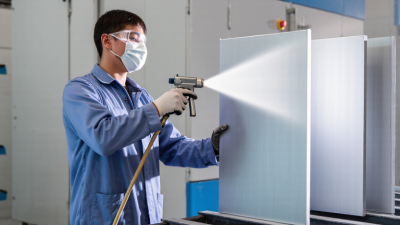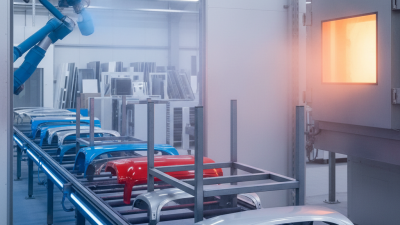
Metal Coating Powder is a dry coating material applied to a prepared surface, often by electrostatic spray. The coated part is then heated, allowing the powder to melt and form a continuous film. On a workshop line, this may mean a grounded metal panel passing through a spray booth before entering a curing oven. The result can be a durable finish with consistent color and texture. The process is not automatically superior to liquid paint, however; part shape, production volume, and curing capacity all matter.
Powders are commonly grouped as thermosetting or thermoplastic. Thermosetting options include epoxy, polyester, epoxy-polyester hybrid, polyurethane, and acrylic formulations. Epoxy is often selected for chemical resistance and indoor protection, while polyester is commonly used where outdoor weathering matters. Hybrids can suit many indoor applications. Thermoplastic powders, including polyethylene and nylon, soften when heated and can be reshaped under suitable conditions. The finish matters.
Choosing a type requires more than comparing labels. Surface pretreatment, film thickness, oven temperature, and cure time affect adhesion and performance. A sharp corner or recessed channel may also receive a different coating thickness than a flat panel. Details vary. Product data sheets should guide selection, and a small trial can reveal issues that a color sample cannot. Even a carefully chosen powder may disappoint if the part cannot tolerate curing heat or the finish faces conditions it was not designed for. These trade-offs make the coating type, application method, and service environment inseparable.
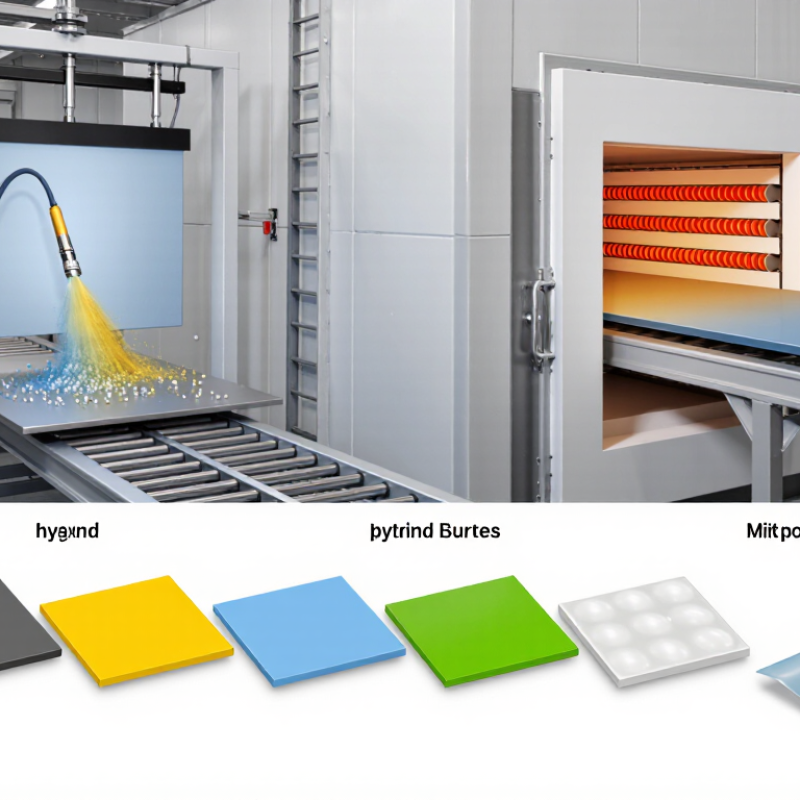
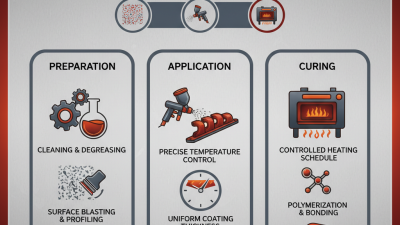
Metal coating powder is a dry blend of finely ground resin, pigments, and other additives. Unlike liquid paint, it contains no solvent carrier. The particles are applied to a prepared metal surface, often using an electrostatic spray gun that gives them an electrical charge. The grounded part attracts the powder, creating an even layer before curing.
Then comes heat. In an oven, the particles melt, flow together, and form a continuous film as they cool. The exact temperature and time depend on the powder formulation and the part’s thickness. A small steel bracket and a heavy machine housing may not heat at the same rate.
Preparation matters, too: oil, rust, or poor grounding can lead to thin spots, rough texture, or weak adhesion. The process sounds simple. It can be fussy.
Powder coating is valued for its durable finish and efficient material use, but it is not automatically right for every metal object. Parts must tolerate curing heat, and intricate corners can be harder to coat evenly. A test panel can reveal problems before a full batch is treated.
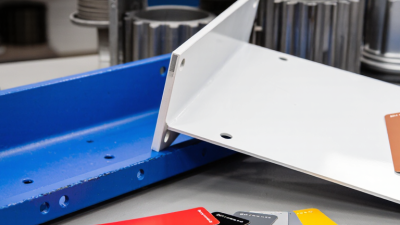
Metal coating powder is usually a blend of finely ground ingredients, not a pile of metal particles. Its main component is a polymer resin that melts and forms a continuous film during curing. Polyester resins are common for outdoor durability, while epoxy resins often suit indoor parts needing chemical resistance. Some products combine resin types to balance properties. The exact blend depends on the surface and its working conditions.
Pigments provide color and help control opacity. Fillers such as calcium carbonate or barium sulfate can affect texture, flow, and film thickness. Small amounts of additives help the powder spread evenly, release trapped air, or resist surface defects. They matter. Metallic-effect powders may include aluminum flakes, which create a reflective appearance when aligned in the coating. A close look at a coated panel can reveal how uneven application changes that effect. Formulas vary, and the ingredient list alone cannot predict performance. Testing on the actual metal part is still worthwhile; I would not assume one powder suits every use.
| Powder Type | Main Resin or Binder | Other Typical Materials | Typical Characteristics | Common Uses |
|---|---|---|---|---|
| Epoxy | Epoxy resin, commonly cured with an amine- or anhydride-based curing agent | Pigments, mineral fillers, flow modifiers, degassing agents, and other formulation additives | Strong adhesion and chemical resistance; generally intended for indoor use because prolonged UV exposure can cause chalking or color change | Indoor equipment, electrical components, pipes, and protective primers |
| Polyester | Carboxyl-functional polyester resin, commonly cured with TGIC or a hydroxyalkylamide (HAA) crosslinker | Pigments, fillers, flow and leveling agents, and weathering or surface-control additives | Good outdoor weatherability and color retention; the specific performance depends on the resin and curing system | Outdoor furniture, architectural metalwork, wheels, and general exterior metal products |
| Epoxy-Polyester Hybrid | A blend of epoxy resin and polyester resin, typically with a suitable curing agent | Pigments, fillers, flow modifiers, and degassing additives | Combines useful adhesion and mechanical performance with a smooth finish; usually less suitable than exterior-grade polyester for long-term outdoor exposure | Indoor cabinets, shelving, appliances, and general-purpose metal parts |
| Polyurethane | Hydroxyl-functional polyester or acrylic resin combined with a blocked isocyanate curing agent | Pigments, fillers, flow agents, and additives selected for surface appearance or durability | Can provide a smooth finish, good abrasion resistance, and good weathering performance when formulated for exterior use | Automotive components, agricultural equipment, and exterior metal products |
| Acrylic | Acrylic resin, with a crosslinker selected for the specific powder-coating formulation | Pigments, flow and leveling agents, and other appearance-control additives | Can offer good color and gloss retention and a smooth finish; formulation and curing requirements vary | Automotive parts, decorative metal components, and specialty finishes |
| Polyamide (Nylon) | Thermoplastic polyamide resin, which melts and forms a coating without a thermoset crosslinking reaction | Colorants, stabilizers, and performance additives as needed | Typically valued for toughness, abrasion resistance, and resistance to many chemicals; application often requires careful heat control | Wear-resistant components, wire goods, and parts needing a durable thermoplastic coating |
| Polyethylene | Thermoplastic polyethylene resin | Pigments, antioxidants, and other stabilizing or processing additives | Provides a relatively thick, flexible coating with moisture and chemical resistance; surface preparation and adhesion requirements depend on the substrate and process | Wire products, baskets, and selected metal parts requiring a thicker protective layer |
| Common Ingredients Across Powder Types | The resin or binder forms the continuous coating film; thermoset powders also contain a curing agent or crosslinker | Pigments provide color and opacity; fillers can adjust properties or reduce cost; additives can help control flow, leveling, degassing, texture, or stability | Powder coatings are dry mixtures of finely divided solid ingredients. They are typically applied electrostatically or by fluidized-bed methods and heated so the powder melts, flows, and, for thermosets, cures | Ingredient choices are tailored to the required appearance, performance, application method, and curing conditions |
Metal coating powder is applied as dry resin and pigment particles, not as a wet liquid. Before spraying, workers clean the metal to remove oil, dust, and oxide; a poorly prepared surface can cause peeling. The part is grounded, and an electrostatic spray gun gives powder particles an electrical charge. They cling to the part’s surface. Thin edges and recessed corners need careful gun angles, since uneven coverage can leave weak spots. Some production lines use fluidized-bed application instead, immersing a preheated part in suspended powder.
Then comes curing. The coated part enters a convection oven or an infrared system, where heat melts the powder and drives its chemical crosslinking. The correct schedule depends on the powder formulation and the part’s thickness. Operators should track the part’s metal temperature, not rely only on the oven display. The Powder Coating Institute’s technical guidance stresses that cure schedules are product-specific; a few degrees or minutes can matter. It is easy to overlook this. The U.S. EPA’s Alternative Control Techniques Document for Surface Coating Operations reports that powder-coating systems can reach transfer efficiency near 95% when overspray is recovered. That figure depends on equipment and setup, so it is not a promise for every line. A test panel and a recorded cure profile can reveal problems before a full batch is coated.
Metal coating powder is a dry blend of resin, pigment, and additives, applied to metal and heated into a continuous film. Its main types are usually grouped by binder chemistry and by whether they thermoset or thermoplastically soften. The distinction matters. Grand View Research estimated the global powder coatings market at USD 13.7 billion in 2023, with projected growth of 5.6% annually from 2024 to 2030. That figure describes the overall market, not the share of each resin type.
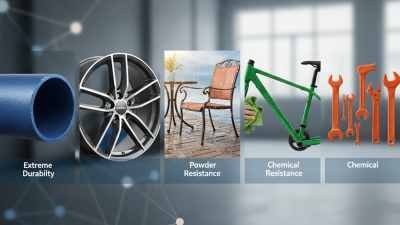
Thermoset powders are widely used on metal parts. Epoxy offers strong adhesion and chemical resistance, making it suitable for indoor equipment and parts needing corrosion protection. But sunlight can dull its appearance. Polyester generally handles outdoor exposure better, so it is common on railings, garden furniture, and exterior panels. Epoxy-polyester hybrids balance cost, flow, and indoor durability. Polyurethane powders can provide a smooth finish and good weather resistance, though application conditions matter.
Thermoplastic powders, including nylon and polyethylene formulations, melt and form a coating without chemically curing. They can create thicker, impact-resistant layers on items such as wire baskets or pipe components. Real parts vary. A coastal railing and an indoor machine housing need different protection, even when both are steel. Choosing by resin name alone can be misleading; surface preparation, film thickness, curing temperature, and service conditions all affect performance.
Where a coating will work best depends on its resin chemistry, exposure, and surface preparation. Epoxy powders resist abrasion and many chemicals, so they are common on indoor pipework, electrical enclosures, and machine parts. They can protect well, but sunlight may dull or chalk the finish. Not ideal outdoors.
Polyester powders usually hold color and gloss better under sunlight and rain. They suit outdoor furniture, railings, architectural panels, and agricultural equipment. For appliances, shelving, and other indoor products, epoxy-polyester blends can balance appearance and practical durability. Actual performance still depends on the formulation and curing conditions.
Metallic-effect powders, often containing reflective flakes, are used when a surface needs a brushed or sparkling look. Think of bicycle frames, display fixtures, and decorative trim. The finish can make small surface flaws less obvious, but it will not fix poor cleaning or uneven pretreatment. That part is easy to underestimate. Metallic shades may also look different across production batches or application angles, so sample panels are useful before coating a large run. Match the powder to the part’s real environment, not just its appearance in a showroom.
Powder coating is a dry finishing process in which charged powder is applied to a metal surface and then heated to form a continuous film. The chart shows indicative curing-temperature ranges; the exact schedule depends on the formulation, film thickness, and part temperature.
Where they are used: Epoxy powders are commonly used for corrosion-resistant interior parts and primers; polyester powders for outdoor metalwork, architectural components, and furniture; epoxy-polyester hybrids for indoor appliances and general-purpose finishes; and polyurethane or acrylic powders for durable decorative finishes where appearance and weather resistance matter.