



What is the purpose of primer powder? In what situations is it necessary to apply a primer layer?
Hello everyone, this is Chengdu Daguang, a manufacturer of thermal spray powders since 1996.
Why is it necessary to apply a primer layer before plasma spraying oxide ceramic powder? What is the significance of primer powder in this process? There are many types of primer powder; how should one choose?
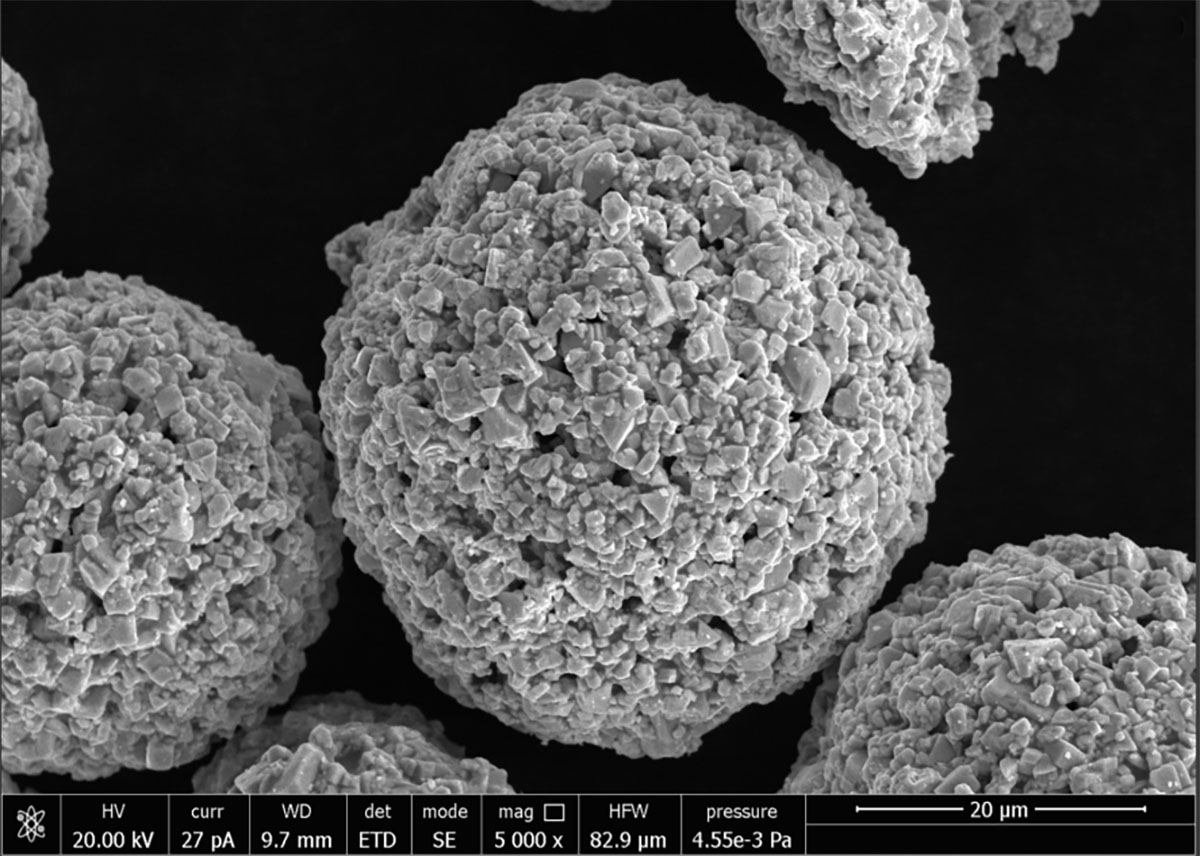
Our factory mainly produces the following primer powders: Ni20Cr, which offers the best cost-performance ratio and is the cheapest; and NiCrAlY and NiCrCoAlY, which are based on Ni20Cr with added AlY alloy.
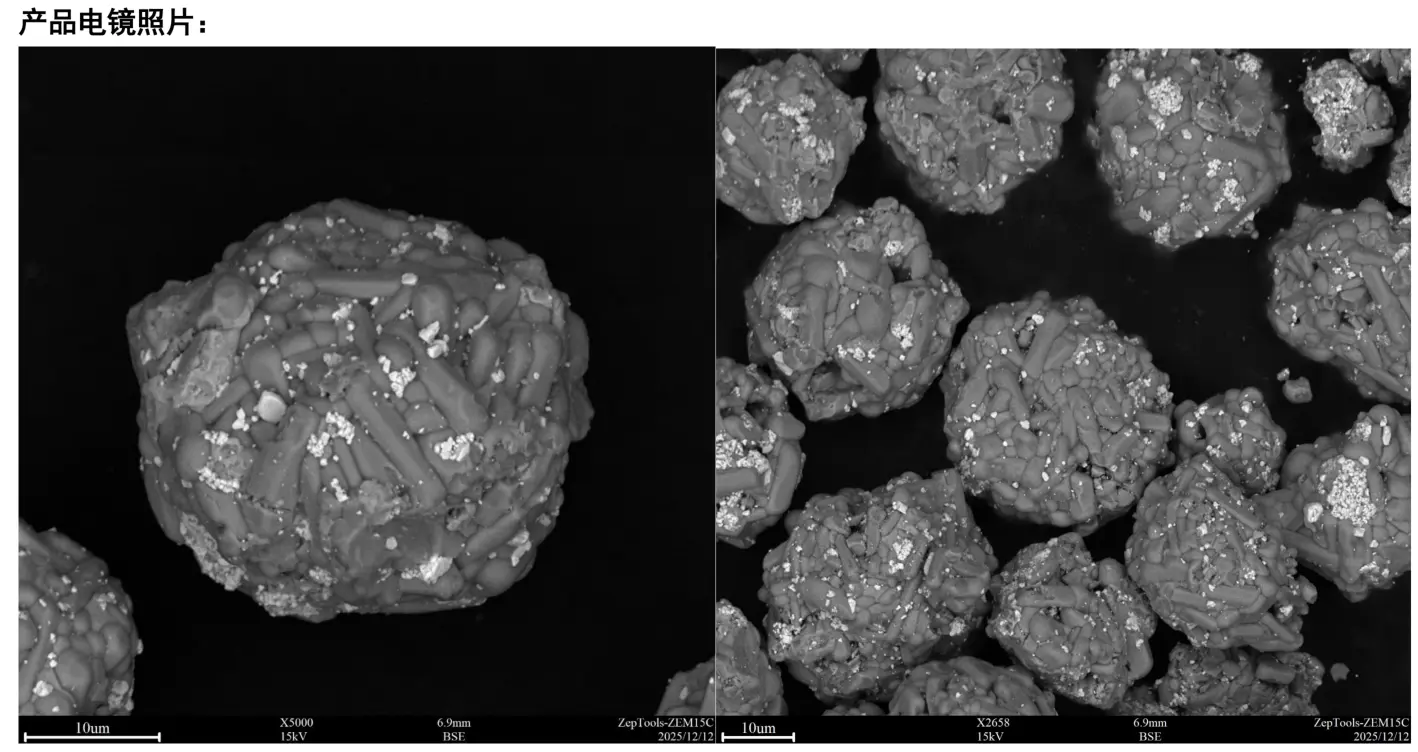
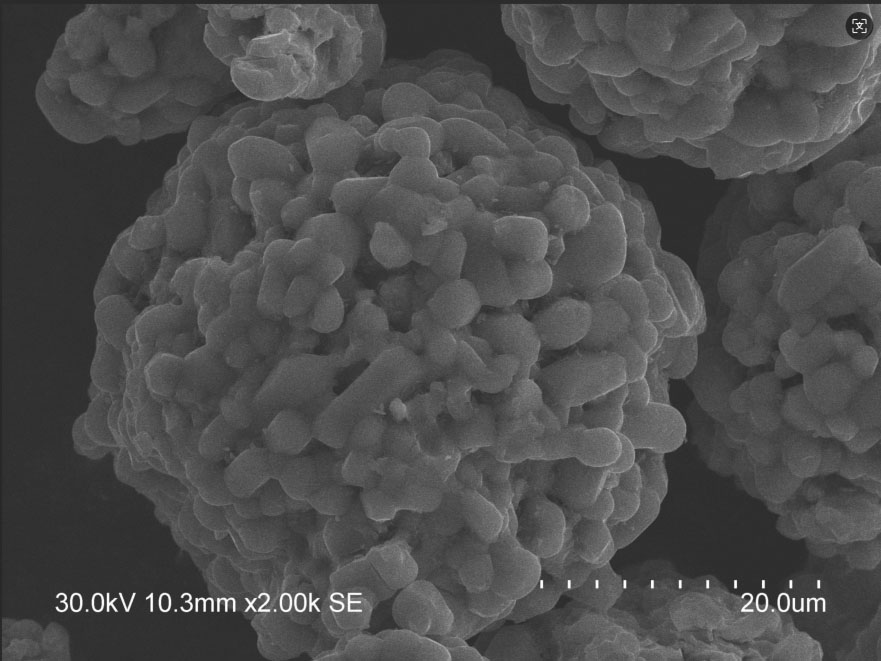
Electron microscope images:
|
Product |
DG.NiCrAlY |
lot number |
No:Q240277 |
||
|
Size |
15-45um |
Standard |
参 YS/T527-2014 |
||
|
Weight |
20kg |
Number of pieces |
1件 |
||
|
化 学 成 分(%) |
|||||
|
Element |
Standard |
Analysis |
Element |
Standard |
Analysis |
|
Ni |
余量 |
--- |
Y |
0.5-1.0 |
0.55 |
|
Cr |
20.0-22.0 |
21.57 |
C |
<0.5 |
0.20 |
|
Fe |
<1.0 |
0.27 |
O |
<0.08 |
0.03 |
|
Al |
3.0-7.0 |
4.53 |
--- |
--- |
--- |
First, why is it necessary to pre-coat a base layer before plasma spraying of oxide ceramic powder?
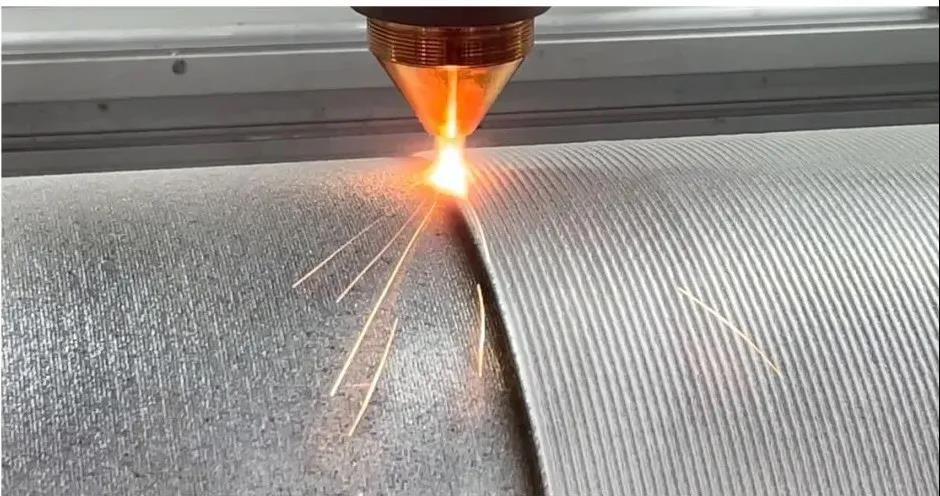
The first reason is that the coating prepared by plasma spraying of oxide ceramic powder is a mechanical bond. Compared with the metallurgical bond formed after oxy-acetylene flame welding, plasma cladding, and laser cladding, the bond strength is inherently weaker. The bond strength of a plasma-sprayed coating is approximately 50 MPa, while the bond strength of a metallurgical bond is typically around 300 MPa.
The second reason is that the coefficient of thermal expansion of ordinary steel is approximately 11~16×10⁻⁶/℃, while the coefficient of thermal expansion of oxide ceramics is only 6~8×10⁻⁶/℃. Furthermore, ceramics are inherently brittle and have almost no toughness, making them prone to detachment from even slight impacts. During the cooling process after plasma spraying and the alternating use of hot and cold temperatures on the workpiece, the different shrinkage rates create enormous shear stress within the coating, causing it to crack and peel off completely.
Our base powder has a thermal expansion coefficient of 13~17×10⁻⁶/℃, which is between that of metals and ceramics, acting as a "stress buffer layer" to offset the internal stress generated by thermal cycles.
How to choose the right base powder?
Room temperature wear-resistant ceramics (Al₂O₃, Cr₂O₃): Ni20Cr nickel-chromium base powder is commonly used;
High temperature thermal barrier ceramics (YSZ yttrium oxide stabilized zirconium oxide, resistant to high temperature conditions): NiCrAlY aluminum-yttrium base powder is used, which is resistant to high temperature and oxidation;
High temperature corrosion resistant (sulfidation, molten salt, gas corrosion): NiCrCoAlY base powder is used, as cobalt can significantly improve resistance to high temperature sulfidation corrosion and vanadium salt molten salt corrosion.