Leave Your Message

How to Choose the Best Metal Coating Powder for Your Needs

Metal Coating Powder selection shapes more than color. It affects corrosion resistance, impact performance, cleaning needs, and the finish customers see. A steel gate near a salty coast faces different demands than an indoor machine guard. Small details matter.

Grand View Research estimated the global powder coatings market at USD 13.3 billion in 2023, with a 5.4% forecast CAGR through 2030. That forecast signals growth, not a guarantee for any single product. Formulations and test methods differ. Buyers should compare data sheets, not headlines alone.

Choosing well starts with the part and its working conditions. Identify the substrate, expected temperature, exposure to moisture or chemicals, and required appearance. Then check resin family, recommended film thickness, cure schedule, and pretreatment compatibility. Polyester powders often suit outdoor exposure, while epoxy powders commonly serve indoor applications; exact performance depends on the formulation and test conditions. Ask suppliers for salt-spray or humidity results tied to a named standard, plus actual cure data. A lab result is useful, but it cannot erase poor cleaning or an uneven film. Worth remembering. The best powder fits your production line, budget, and service life—not simply the boldest brochure claim. Even a good choice may need a trial panel. This guide explains how to compare the trade-offs with evidence and practical checks.
How to Choose the Best Metal Coating Powder for Your Needs

What Metal Coating Powder Is and How It Protects a Surface

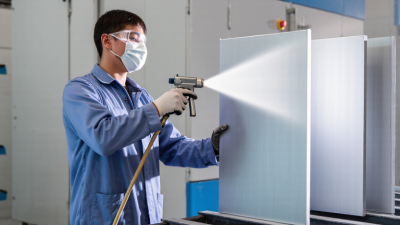
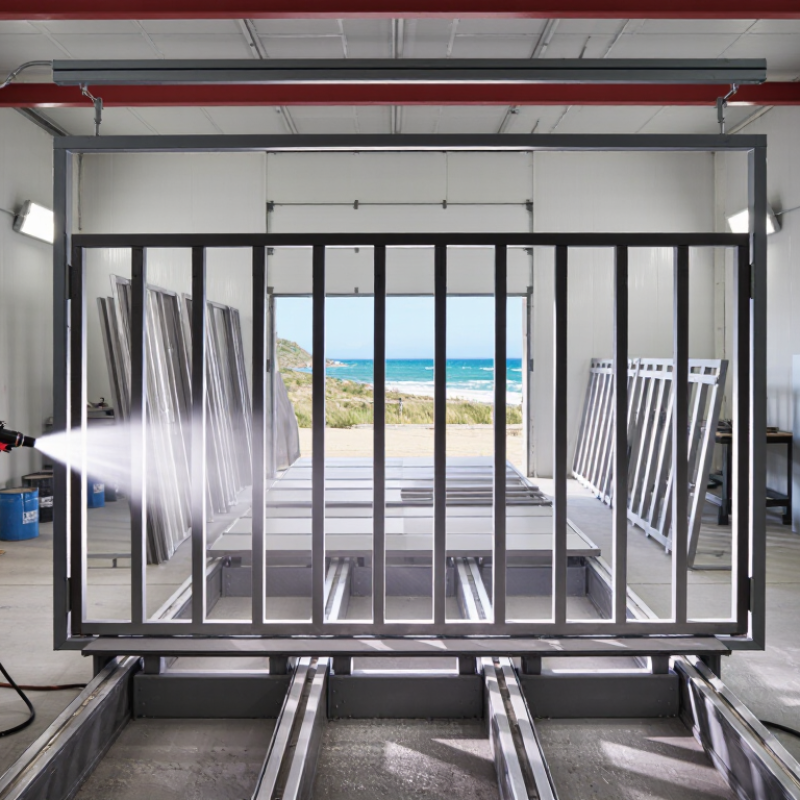
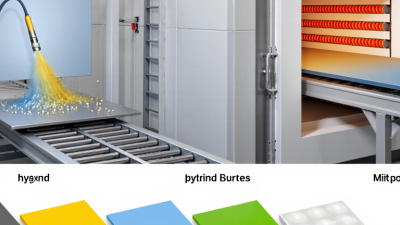
Metal coating powder is a dry blend of resin, pigment, and additives applied to a metal part. An electrostatic gun gives the particles a charge, helping them cling to the grounded surface. The coated part then enters an oven, where heat melts and cures the powder into a continuous film. The result can feel smooth and solid, with color built into the coating rather than painted on afterward.

That film helps shield metal from moisture, scratches, and everyday wear. Its protection depends on more than thickness. Clean, properly prepared metal gives the coating a better surface to bond with, while missed edges or trapped oil can create weak spots.

Small gaps matter. A coating may look flawless yet fail early if preparation was rushed; that is easy to overlook during a quick inspection.

Powder types also vary. Some suit indoor parts, while others are formulated to better withstand sunlight or outdoor exposure. Before choosing, consider where the part will be used, how often it will be handled, and what chemicals it may contact. Test a sample when possible. Appearance alone cannot show how well a coating will perform over time.
Which Performance Requirements Matter for Your Application

A durable finish starts with the exposure, not the color chart. Will the part sit outdoors, face cleaning chemicals, or rub against tools every day?

The NACE International IMPACT study estimated corrosion costs at US$2.5 trillion worldwide in 2013, about 3.4% of global GDP. That figure covers many industries, not powder coatings alone, but it shows why corrosion resistance deserves careful attention.

Match each requirement to a test. For outdoor parts, ask for weathering data, such as results from ASTM G154 UV exposure, and salt-spray results under ASTM B117. Salt-spray hours help compare samples under one test method; they do not predict service life by themselves.

For shelves or machine guards, check abrasion resistance and adhesion, using methods such as ASTM D3359. Also confirm the cure window fits the part’s metal thickness and oven capacity. An undercured coating may look fine at first. That’s the catch.

Tips: Write down the actual exposure, cleaning chemicals, and expected wear before requesting samples. Test a coated part with your own process. A test panel can miss sharp edges, recessed corners, and uneven film thickness.

How Substrate and Surface Preparation Affect Powder Selection

Choose powder only after identifying the substrate and its condition. Steel, aluminum, galvanized parts, and castings each respond differently to cleaning, pretreatment, and curing. Oil, oxide, weld spatter, and casting pores can weaken adhesion or cause pinholes. On galvanized steel, trapped moisture or pretreatment residue may cause bubbling during cure. Small differences matter. ASTM D6386 provides guidance for preparing hot-dip galvanized steel before powder coating; use it alongside the coating system’s technical requirements.

Surface preparation should guide powder selection, not follow it as an afterthought. A compatible conversion coating can improve adhesion and corrosion resistance, while an unsuitable pretreatment may undermine even a well-chosen resin. NACE International’s 2016 IMPACT study estimated global corrosion costs at US$2.5 trillion annually, or 3.4% of global GDP. This is not a powder-coating failure rate, but it shows why corrosion control starts with the metal surface. Inspect edges, welds, and recessed areas closely.

A common trap is choosing a tougher powder to compensate for contaminated metal. It will not fix poor preparation. Match the resin to the exposure, then confirm that the substrate can tolerate the pretreatment and cure temperature. Test representative parts for adhesion and appearance. ASTM D3359 offers a recognized tape-test method, though one test cannot reveal every service condition. A practical detail worth revisiting: production parts may be dirtier or more porous than the sample used for approval.

How to Choose the Best Metal Coating Powder for Your Needs — How Substrate and Surface Preparation Affect Powder Selection

Substrate Surface Preparation Powder Selection Considerations Common Powder Options Potential Issues to Check
Mild or carbon steel Remove oil, rust, mill scale, and other contaminants. Use a suitable conversion treatment or abrasive cleaning appropriate to the required corrosion resistance. Selection depends on indoor or outdoor exposure, corrosion requirements, appearance, and the part’s operating temperature. Epoxy for many indoor applications; polyester for outdoor weatherability; epoxy-polyester hybrid for some general-purpose indoor uses. Epoxy coatings can lose gloss or chalk under prolonged UV exposure. Bare steel can corrode if cleaning and pretreatment are inadequate or the coating is damaged.
Galvanized steel Clean without damaging the zinc layer. Use a pretreatment compatible with galvanized surfaces; allow suitable venting or preheating where needed to reduce trapped-air defects. Choose a powder and application process suitable for zinc-coated surfaces. Film build and cure conditions should be validated on the actual part. Exterior-grade polyester or other coatings specifically qualified for galvanized steel; epoxy-based options may suit protected indoor service. Zinc surfaces can contribute to pinholes, bubbles, or other outgassing defects. Excessive abrasive cleaning can remove or damage the zinc coating.
Aluminum Remove oils and residues, then use a compatible aluminum pretreatment. Minimize delay between preparation and coating to limit surface recontamination. Consider outdoor UV exposure, corrosion needs, appearance, and the temperature the aluminum part can withstand during curing. Polyester for many exterior applications; epoxy for protected indoor applications; other systems when supported by application-specific testing. Aluminum can form a new oxide layer after cleaning. Thin or complex parts may heat rapidly, so verify actual metal temperature and cure requirements.
Stainless steel Remove oils and contaminants. Use a preparation method that preserves the required surface finish and avoids contamination from carbon-steel tools or media. Powder is often selected for color, appearance, and added surface protection; the need for a coating depends on the service environment and design. Polyester for outdoor exposure; epoxy or hybrid systems for suitable indoor conditions, subject to performance requirements. Stainless steel’s corrosion resistance does not guarantee powder adhesion. Smooth surfaces and contamination can reduce adhesion unless preparation is appropriate.
Cast iron Remove casting sand, oils, rust, and residues. Thorough cleaning and, where appropriate, preheating can help release trapped gases before coating. Account for the casting’s porosity, geometry, service environment, and ability to reach the specified curing temperature uniformly. Epoxy for protected indoor service; polyester or another weatherable system for outdoor exposure, when compatible with the part and process. Porosity and trapped contaminants can cause pinholes or bubbles during heating. Test representative castings and consider a suitable outgassing-control process.
Mixed-metal assemblies Prepare each metal with a compatible cleaning and pretreatment process. Mask areas that must remain uncoated and confirm electrical grounding paths. Choose a system that can be cured without exceeding the temperature limits of any component, inserts, seals, or assembled materials. A coating system qualified for all exposed substrates and the full assembly’s cure conditions. Different metals may heat at different rates and respond differently to pretreatment. Verify adhesion, coverage, and cure on the complete assembly.

Selection note: Powder cure schedules and substrate compatibility vary by formulation. Confirm the manufacturer’s technical data for the specific powder, measure the part’s metal temperature during curing, and test adhesion and appearance on representative, properly prepared parts.

How to Compare Powder Types, Finishes, and Application Methods

Compare powder chemistry before choosing a color. Thermoset powders, such as epoxy and polyester blends, cure into durable films; thermoplastics soften when reheated and can suit thicker protective layers. For outdoor parts, polyester is commonly selected for weather resistance, while epoxy is often used indoors where sunlight exposure is limited. Gloss, matte, metallic, and textured finishes also affect appearance and cleaning. A textured finish can hide small surface marks, but may collect dirt in its peaks.

Application method changes both waste and finish consistency. The U.S. EPA’s AP-42 surface-coating guidance describes powder coating as capable of transfer efficiency near 95% under suitable conditions; part geometry and reclaim setup can lower actual results. Electrostatic spray works well for many shaped parts, but recessed corners may receive less powder. Fluidized-bed coating can create thicker films on suitable components, though it is less flexible for detailed shapes. Geometry matters.

Ask the supplier for the recommended film thickness and cure schedule, then test a representative part. ASTM D7091 provides methods for measuring dry-film thickness, while ASTM D3359 covers adhesion testing. These checks help compare samples beyond color alone. A small uncertainty remains: even a technically sound powder may look different on a rough or oily substrate. Surface preparation deserves real attention, not just a quick wipe.

How to Check Durability, Compliance, Cost, and Supplier Quality

How to Choose the Best Metal Coating Powder for Your Needs

Start with the part’s actual working conditions. An outdoor steel railing faces moisture, sunlight, and scratches from everyday use. A machine enclosure indoors may need less weather resistance but still require strong adhesion. Ask suppliers for relevant test data, such as corrosion, impact, and UV resistance. Check how samples perform after the specified curing process; small temperature changes can affect the finish. A lab result helps, but it cannot perfectly reproduce your production line.

Tips: Request a sample panel and inspect it under the same lighting used for quality checks. Confirm the recommended film thickness and cure schedule. Keep the technical sheet and test report together.

Check that the powder’s compliance documents match your product, destination market, and intended use. Requirements vary, so verify current documentation rather than relying on a general claim. Then compare total cost, not just price per kilogram. Pretreatment, energy use, overspray recovery, and rejected parts can change the real expense. Ask suppliers about batch consistency, traceability, lead times, and technical support. A fast reply is useful. A clear answer about a failed test is better. Supplier quality is not always obvious from a polished sample, and I would still check how the next batch behaves.

How to Choose the Best Metal Coating Powder for Your Needs

Example evaluation weighting for comparing coating powder options. These percentages are a planning framework, not measured market data or certification requirements.

Prioritize durability by checking relevant test results, such as corrosion resistance and adhesion. Confirm compliance against the regulations and specifications for your application. Compare total cost—including application and rework—and assess supplier quality through technical documentation, consistency, and support. Verify product-specific requirements in the technical data sheet.