China Top 10 Additive Manufacturing Powder Suppliers?
China is a major source of metal powders used in additive manufacturing, serving buyers across aerospace, medical, automotive, and industrial sectors. This guide introduces ten Chinese suppliers associated with Additive Manufacturing Powder and explains what buyers may want to compare. It is a starting point, not a certified ranking: product ranges, production capacity, and export experience can change over time.
Powder selection depends on more than a material name. Particle size distribution, morphology, flowability, oxygen content, and batch consistency can affect printing results. A titanium alloy powder may suit one process but require different handling and qualification for another. Details matter. Buyers should check technical data sheets, available test reports, packaging, and traceability for the specific grade they plan to purchase.
Supplier claims deserve careful review. Ask about manufacturing controls, sample availability, quality certifications, and support for the intended printer and process. Where possible, compare sample results under consistent conditions rather than relying on catalog specifications alone. That takes work. This overview can help readers build a shortlist and prepare more focused questions. It cannot replace independent testing, engineering review, or direct verification with each supplier. Some details may remain unclear until buyers request current documentation and discuss their requirements with the manufacturer. That is worth acknowledging.
Defining China’s Top 10 Additive Manufacturing Powder Suppliers
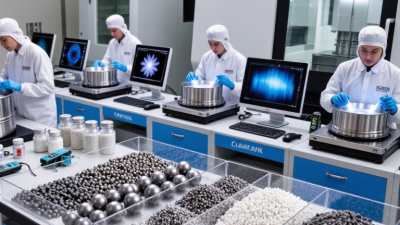
Defining China’s Top 10 Additive Manufacturing Powder Suppliers requires clear criteria, not simply a comparison of product catalogues. A credible assessment should examine powder consistency, production capability, quality controls, and technical support. Particle size distribution, particle shape, flow behavior, and oxygen content can affect printing stability and finished-part quality. Batch-level test records and material traceability matter, too. Small differences can show up as uneven powder spreading or defects in a test build.
A supplier’s ranking should also reflect how well its team supports real production needs. Can it explain suitable storage conditions, handling procedures, and inspection methods? Can it provide repeatable samples for evaluation? A polished data sheet is not enough. Buyers should compare samples under their own machine settings and request relevant batch documentation. Independent checks help confirm supplier claims, especially when specifications use different test methods. There is no perfect shortlist: requirements vary by alloy, process, and application. A useful top-ten definition should therefore reward verifiable consistency and transparent communication, while admitting where public information is incomplete.
The 10 Suppliers: Comparing Metals, Alloys, and Powder Production
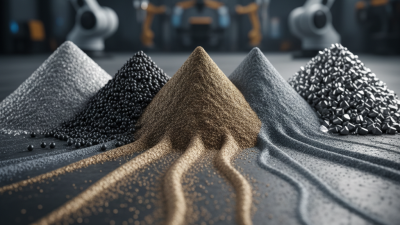
A useful comparison of ten additive manufacturing powder suppliers starts with the metals and alloys they can consistently produce. Stainless steel, titanium, nickel alloys, and aluminum each have different flow, strength, and processing requirements. A powder suited to a lightweight bracket may not suit a hot-section component. Small differences matter.
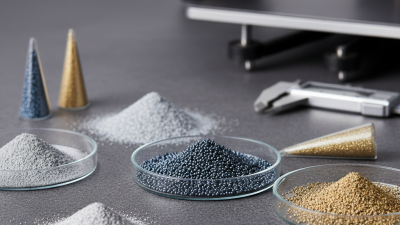
Production route affects powder shape and consistency. Gas atomization can produce rounded particles that flow well through a machine’s feed system. Plasma-based methods are often used for reactive alloys, though availability and cost vary. Ask suppliers for particle-size distribution, oxygen content, morphology, and batch-level test records. These details are more useful than a broad claim of “high quality.”
Compare each supplier’s production capacity with your expected order size and required specification. Check whether sample lots match later production batches, and whether technical staff can explain deviations clearly. A polished data sheet can still leave practical questions unanswered. I would also examine how rejected material is handled; this point is easy to overlook. Powder performance depends on alloy chemistry, storage, handling, and machine settings, so supplier data should be verified in the intended process. A small trial can reveal issues that a catalogue cannot.
Key Materials: Titanium, Nickel, Aluminum, Stainless Steel, and Cobalt Alloys
China’s additive-manufacturing powder suppliers serve demanding applications, but material choice should come before price comparisons.
Titanium alloys are valued for their strength-to-weight ratio in aerospace and medical components. Buyers should check powder chemistry, particle-size distribution, oxygen levels, and batch documentation. Small differences can affect flow and finished-part consistency.
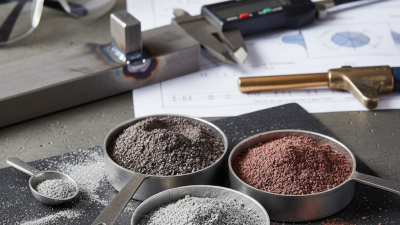
Nickel alloys suit components exposed to heat and corrosion, while aluminum powders support lightweight designs and efficient heat transfer. Stainless steel remains a versatile option for tooling and industrial parts. Cobalt alloys are selected for wear resistance and high-temperature performance.
Each material needs appropriate storage and handling.
Moisture matters. So does powder reuse. A supplier’s data sheet is useful, but it cannot replace trials on the intended machine.
When comparing Chinese suppliers, ask for recent test reports, traceable lot numbers, and clear information about production controls. Request a sample and assess flowability, apparent density, and printing behavior under your own process settings.
That sounds tidy. Real production is messier.
Results may shift with equipment, build parameters, and post-processing. Reliable communication also matters: technical staff should explain variation rather than promise identical outcomes for every application.
Powder Quality Benchmarks: 15–45 μm LPBF Cuts and ISO/ASTM 52907 Tests
For a meaningful comparison of China’s additive manufacturing powder suppliers, look beyond a headline particle-size range. A 15–45 μm cut is commonly considered for LPBF, but the range alone cannot predict stable spreading or melt behavior. Check the full particle-size distribution, not only its median. Excessive fines can affect flow and increase handling sensitivity, while oversized particles may disrupt thin powder layers. Small details matter.
ISO/ASTM 52907 provides a framework for characterizing metal powder feedstock. Ask suppliers for test methods, sampling details, and recent batch-specific data. Useful checks include particle-size distribution, particle morphology, apparent density, flowability, and chemical composition. Where relevant, oxygen and nitrogen results can help assess contamination risks. Compare like with like: different measurement methods can produce results that look similar but are not directly interchangeable. A tidy certificate is helpful, not conclusive.
For LPBF evaluation, request traceable lot records and confirm that the tested sample represents the delivered batch. Review particle images for satellites, irregular shapes, and visible foreign material. Then verify handling and storage conditions; moisture exposure can undermine otherwise sound powder. No single metric tells the whole story. A supplier’s documentation may still leave practical questions unanswered, so a small, controlled build can reveal issues that a specification sheet misses.
Supplier Selection: Traceability, Certifications, Capacity, and Application Fit
Choosing among China’s additive manufacturing powder suppliers requires more than comparing particle size and price.
Ask for lot-level traceability, including feedstock source, atomization batch, sieving record, and retest date. A certificate should match the delivered lot, not merely describe a typical grade.
Small detail. Purchasing teams can rush this check.
Check certifications against your process and market, then confirm their scope and validity. Request recent audit evidence and documented controls for oxygen, moisture, and particle-size distribution.
Capacity claims need context: ask for monthly output of your exact alloy and particle-size range, plus lead times during maintenance. A large plant is not automatically a reliable one.
Records matter.
Application fit is practical. Review powder flow, apparent density, reuse limits, and build results on your machine settings. Ask for sample quantities and agreed acceptance criteria before scaling a purchase. For tightly controlled applications, involve quality engineers early and verify applicable requirements independently.
Paperwork can look complete while a parameter still needs work. I would keep a trial lot aside; hindsight often shows that the first validation was too narrow.