




Supersonic Flame Spraying Always Sticks to the Barrel? You Might Not Know: Different Powders Require Different Barrel Sizes
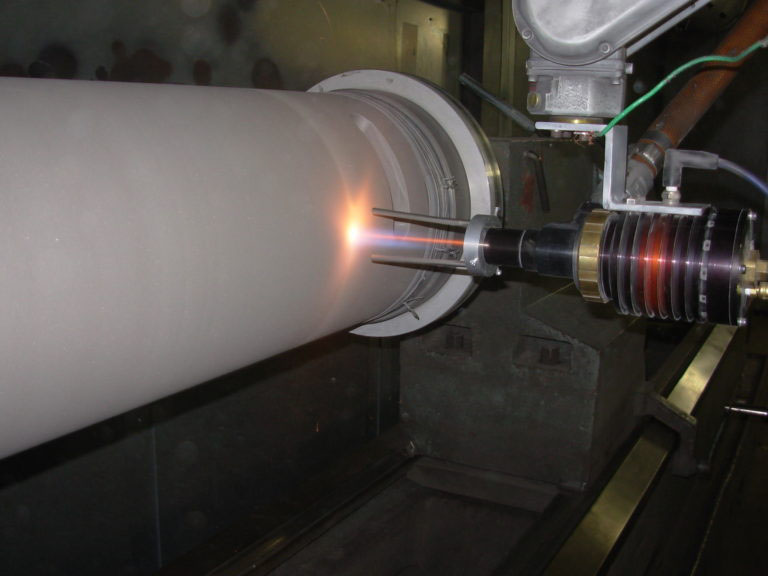
Why does the barrel get red-hot after only two or three coats of supersonic spraying? Changing the barrel requires stopping production, causing delays and requiring new barrels!
Hello everyone, this is Chengdu Daguang, a manufacturer of thermal spraying powders since 1996. This episode mainly discusses how to avoid barrel sticking during supersonic spraying.
First, the main reasons for barrel sticking are:
The flame enthalpy is too high
The powder is too fine. (Too much fine powder)
The powder is damp, causing it to stick inside the tube.
This limits the carrier gas flow.
Incorrect barrel length.
Incorrect fuel-oxygen ratio.
Wear on the combustion chamber throat.
Powder feeder leakage.
High water temperature prevents the formation of a low-temperature cooling film inside the barrel, reducing the compression effect on the flame.
After the gun stops, powder enters the combustion chamber and barrel; the high temperature at ignition causes this powder to adhere inside the combustion chamber and barrel.
Aside from equipment malfunctions, let's discuss these points today: powder that is too fine and incorrect barrel length causing sticking to the barrel. I've discussed the issue of damp powder before; you can refer to the previous article if interested.
Among the thermal spray powders we produce, the main types that can be processed using supersonic spraying are… There are several types: Nickel-based self-fluxing alloy powder, cobalt-based self-fluxing alloy powder, and agglomerated sintered tungsten carbide and chromium carbide spraying powder.
Nickel-based self-fluxing alloy powders, such as Ni60 and Ni55, have relatively low melting points, around 1000℃.
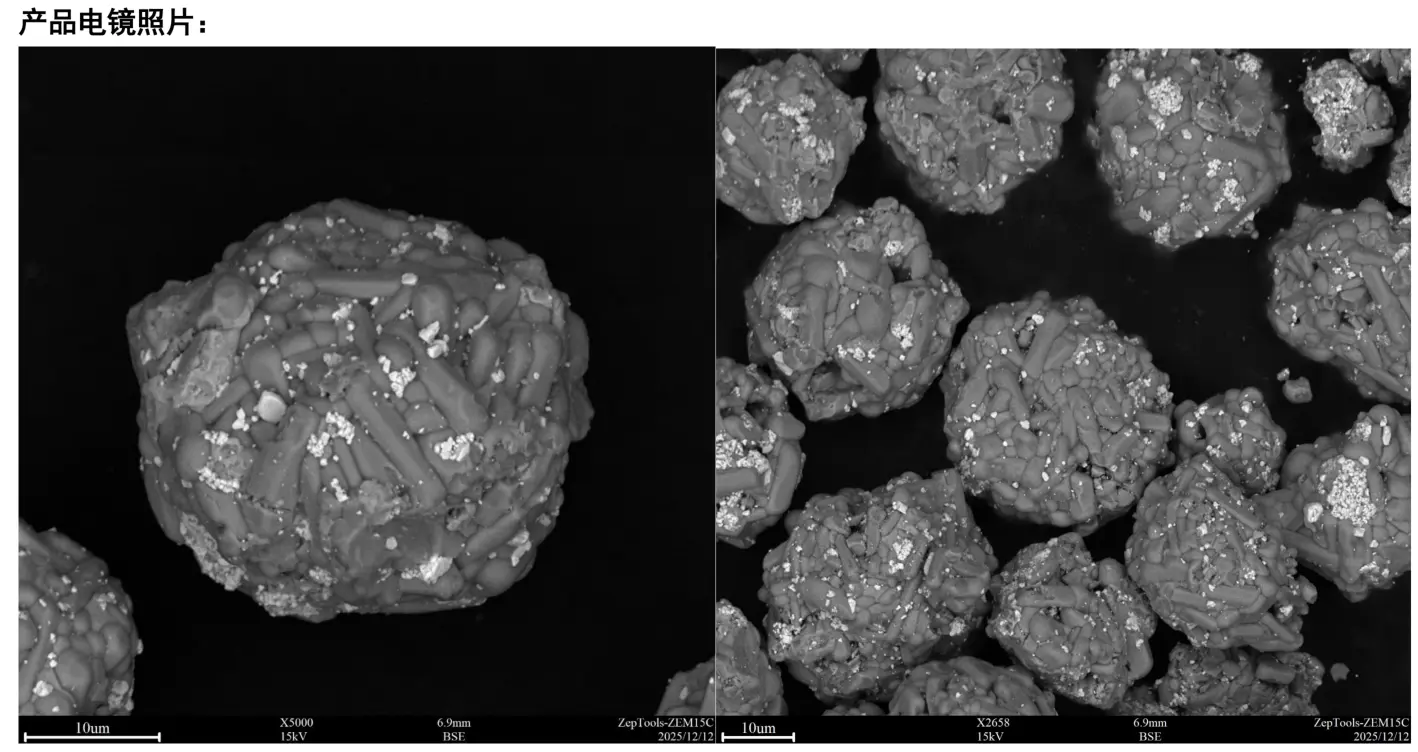
Cobalt-based self-fluxing alloy powders have higher melting points than nickel-based powders because cobalt has excellent high-temperature red hardness, maintaining its original hardness even at 800℃. The melting point of cobalt-based self-fluxing alloy powders is around 1250-1300℃. The flame temperature for supersonic flame spraying is approximately 2200℃. Different powder finenesses melt at different rates during spraying, which is one reason why excessively fine powders can stick to the barrel.
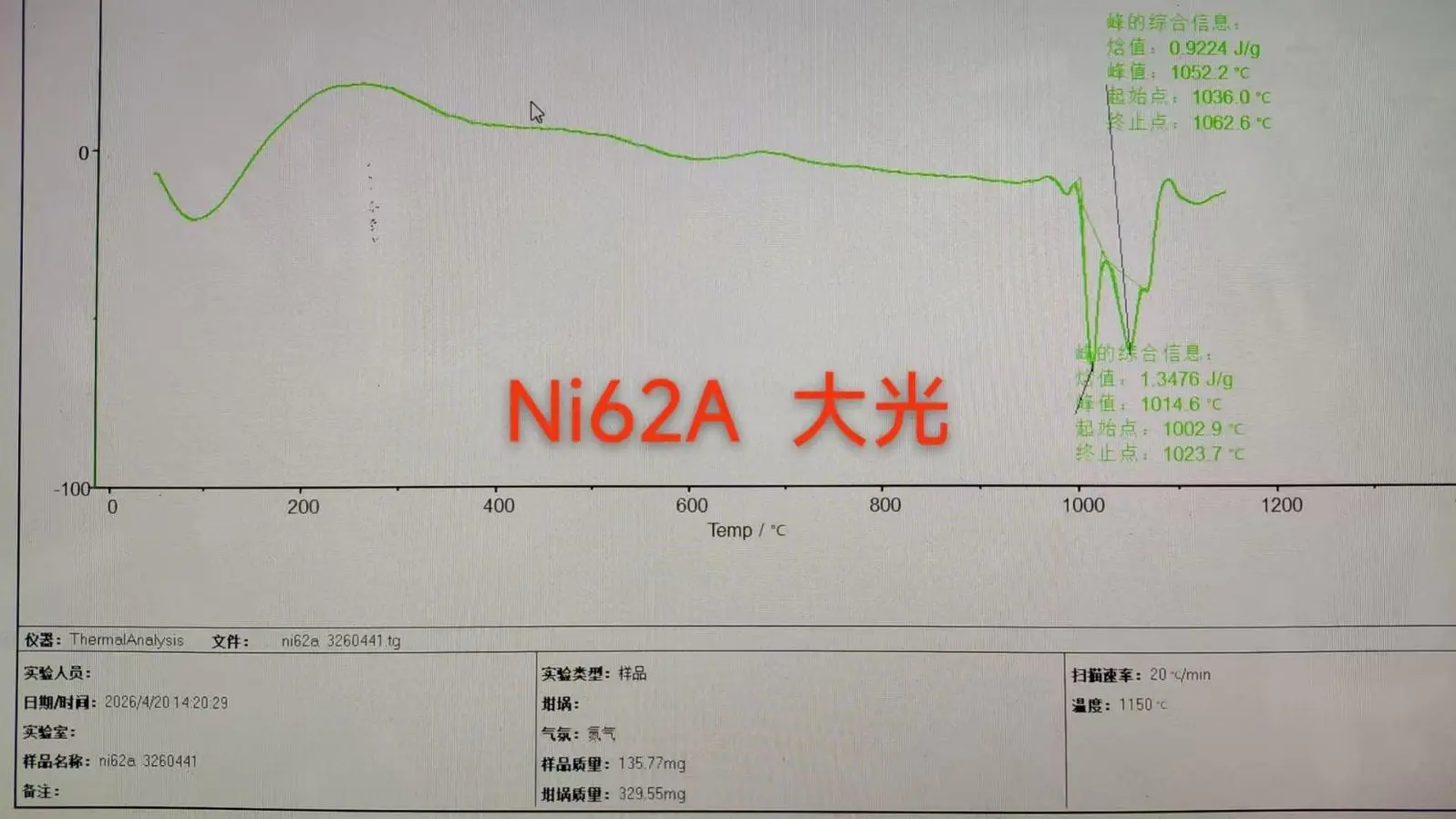
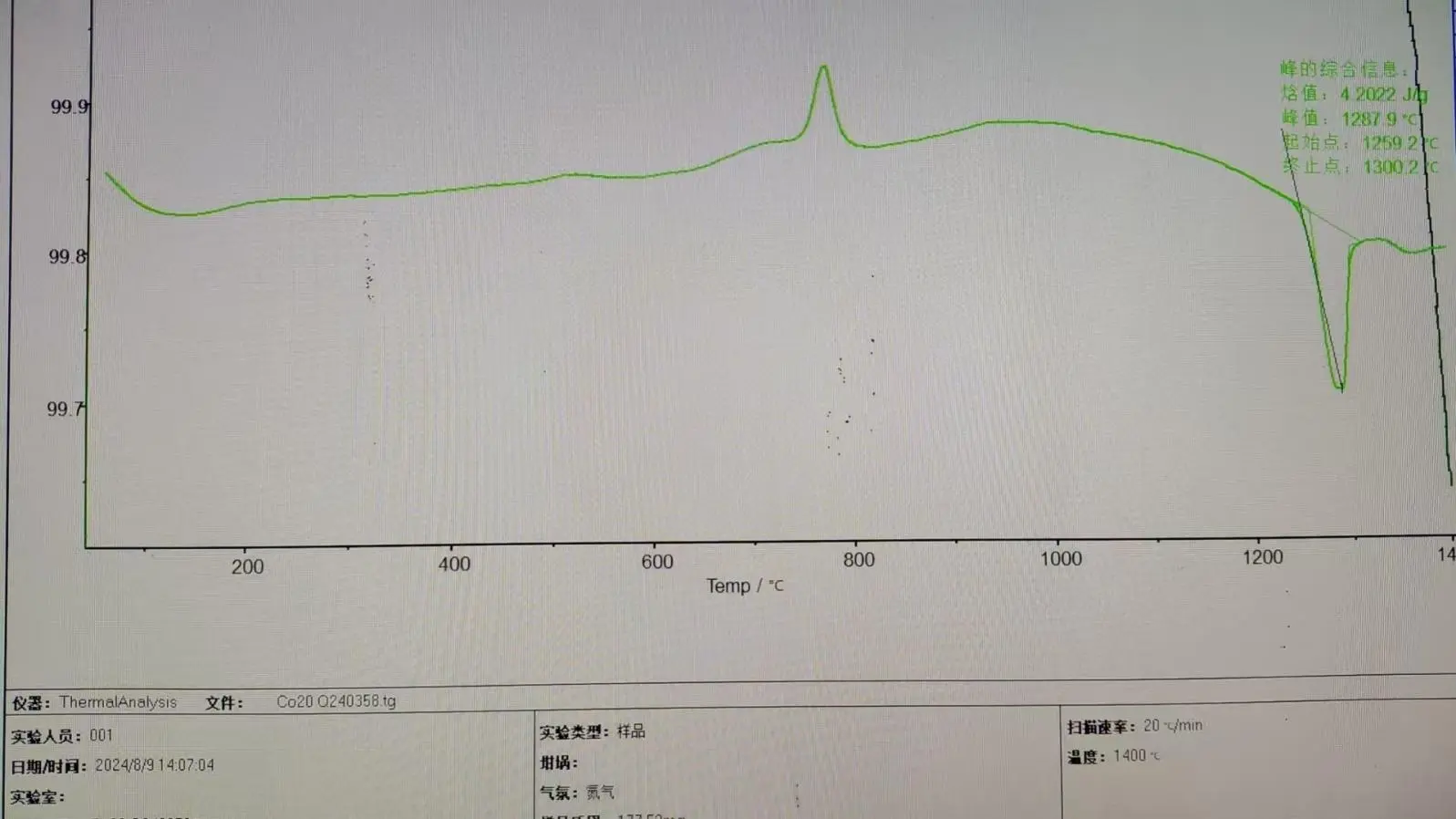
If an 8-inch long barrel is used to spray self-fluxing alloy powders, the powder remains inside the barrel for a long time, accumulating more heat. Fine powder particles melt before even leaving the muzzle. Molten powder will stick to the inner wall of the barrel, creating an obstacle and causing more powder to accumulate. Within minutes, the barrel may be completely covered in powder, making spraying impossible.
Therefore, for spraying self-fluxing alloy powders, a 4-inch short barrel is recommended. The powder stays in the barrel for a shorter time, naturally preventing it from sticking.
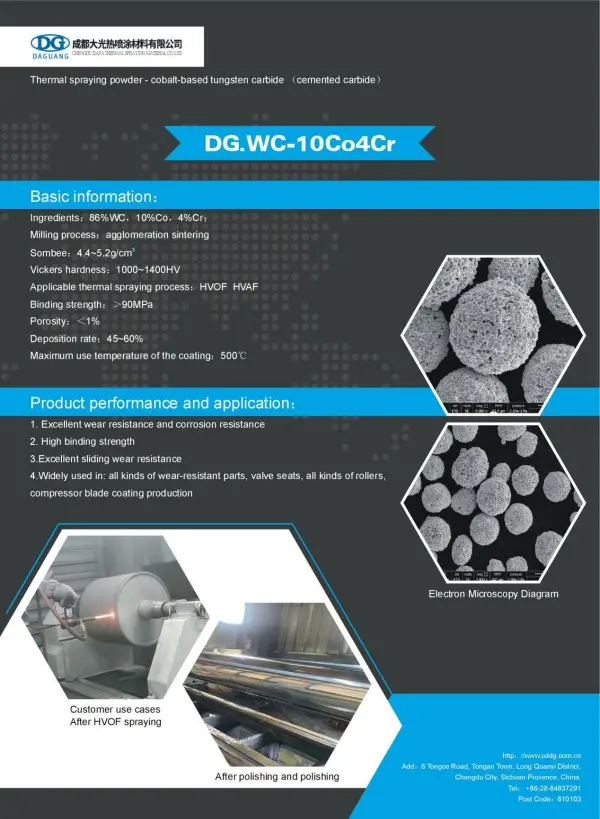
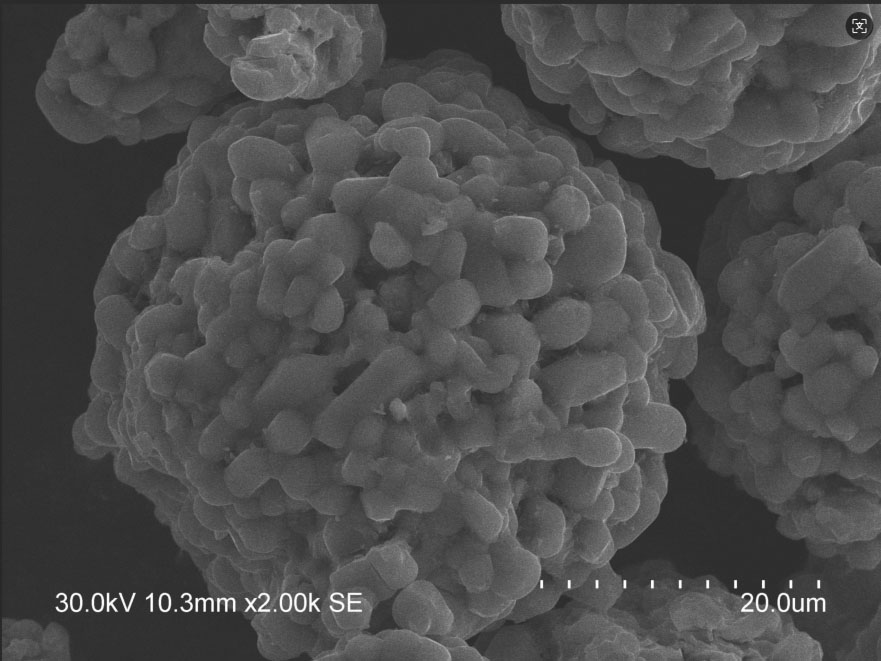
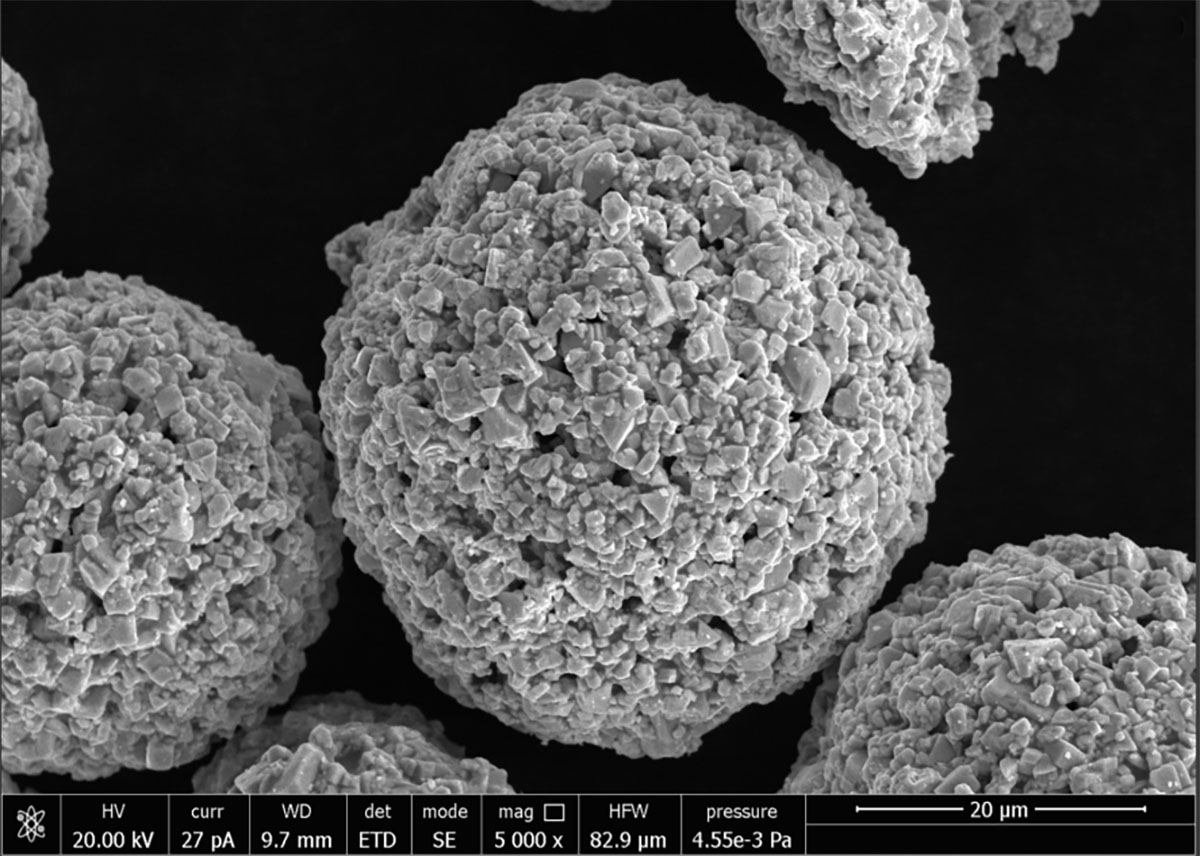
The last type of material: agglomerated sintered powders, such as Cr3C2-25NiCr and WC-10Co4Cr. These powders contain relatively little metal as a binder phase; tungsten carbide and chromium carbide do not melt during the entire spraying process. Only the binder metal melts.
If a short barrel is used for these powders, the powder stays in the barrel for too short a time, and the heat is insufficient to melt the binder metal. The result is a very low deposition rate—the powder bounces off without adhering, wasting powder and affecting coating quality. Therefore, for agglomerated sintered powders, an 8-inch long barrel is recommended, or even finer powders (5-30 microns) for air guns due to the lower heat value of the flame.
However, many additional situations arise in actual processing applications. For example, when spraying paper rolls, a rough surface is required. The particle size of the thermal spray powder directly affects the roughness. If the customer needs a coating with low roughness, a finer powder must be used. In this case, agglomerated sintered spray powder can also be sprayed using a short gun barrel. Using an 8-inch gun barrel with too fine agglomerated sintered spray powder will also cause the gun barrel to stick.