Leave Your Message

7 Flame Spray Powder Coating Tips for Buyers

Buying Flame Spray Powder Coating equipment or materials requires more than comparing prices. A bright finish can hide weak adhesion, poor powder flow, or uneven heat control. Buyers should examine the complete process, from surface preparation to final inspection. Substrate type matters. So does coating thickness.

John R. Davis, a respected thermal-spray specialist, has emphasized, “Surface preparation remains critical to coating performance.” That principle deserves attention. Dust, oil, rust, or moisture can create visible defects within hours. A clean steel surface should look consistent before spraying begins. Ask suppliers about recommended blasting media, surface profile, and preparation checks.

The right powder depends on service conditions. Consider abrasion, corrosion, temperature, impact, and chemical exposure. Request technical data sheets and application records. Do not rely on a color sample alone. It may look excellent under showroom lighting. Field performance can differ.

Equipment settings deserve equal scrutiny. Ask about flame temperature, spray distance, powder feed rate, and operator training. Small adjustments can change coating density. Sometimes, buyers focus too heavily on equipment cost. That can become an expensive mistake.

This guide presents seven practical Flame Spray Powder Coating tips for buyers. It covers supplier evaluation, powder selection, surface preparation, equipment compatibility, quality control, safety, and lifecycle value. Some recommendations may seem obvious. They are still frequently missed.

No purchase is perfect. Recheck assumptions before signing. Speak with experienced applicators, request test panels, and compare measured results. A careful trial often reveals more than a polished sales presentation.
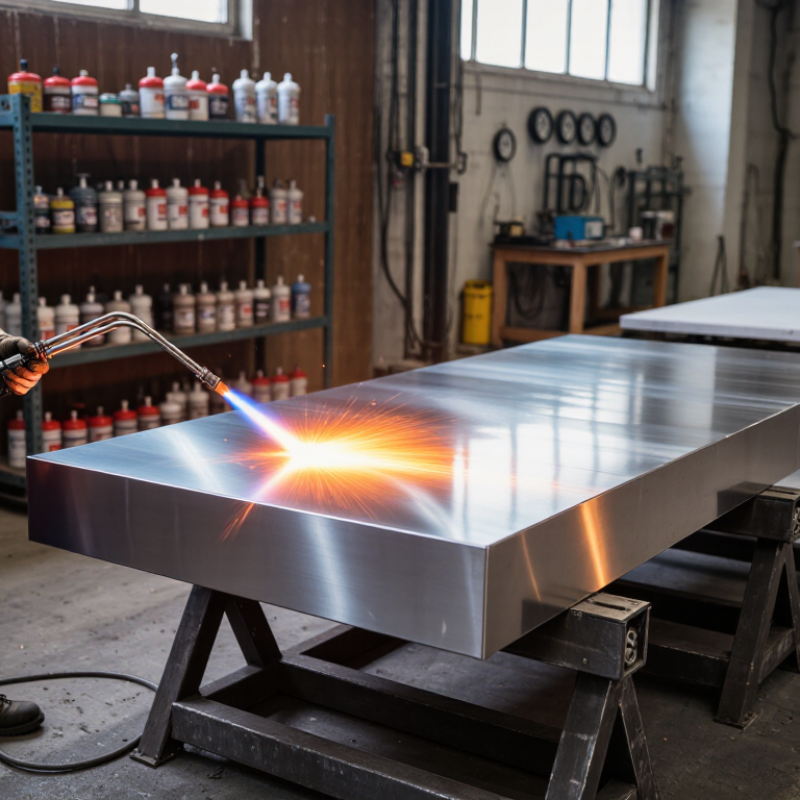
7 Flame Spray Powder Coating Tips for Buyers

Understanding Flame Spray Powder Coating and Its Applications

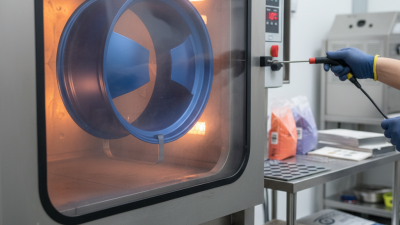
Flame spray powder coating melts polymer or metallic powder in a combustion flame, then projects it onto a prepared surface. It suits field repairs, pipelines, agricultural equipment, valves, and steel structures. The result depends less on the flame alone than on surface preparation, powder chemistry, and operator control. Ask whether the supplier can provide particle-size data, recommended substrate temperature, coating thickness, and adhesion results.

The NACE IMPACT study estimated global corrosion costs at US$2.5 trillion, equal to about 3.4% of global GDP. This explains the demand for protective thermal-spray solutions. Buyers should examine resistance to abrasion, chemicals, moisture, and temperature for the actual service environment. ISO 14918 provides a useful framework for thermal-spraying personnel qualification, while ISO 2063-1 supports evaluation of metallic thermal-spray coatings. Request inspection records, porosity measurements, bond-strength testing, and repair procedures. Small details matter.

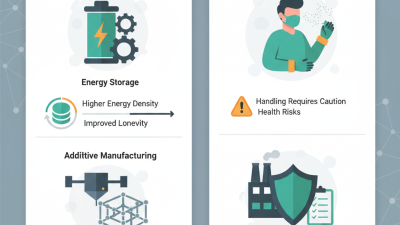
Do not trust thickness alone. A thick coating can still fail over oil, rust, or sharp edges. I have seen specifications look impressive but ignore substrate cleanliness and curing conditions. That is uncomfortable, yet worth checking. Flame spray also creates overspray and fumes, so ventilation, operator protection, and controlled application areas must be verified before purchase. Cost comparisons should include preparation, masking, inspection, and possible rework—not only powder price.

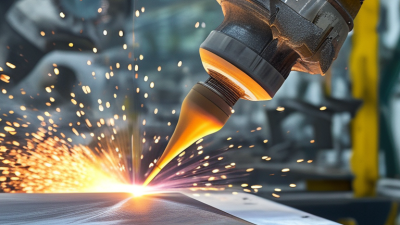
7 Flame Spray Powder Coating Tips for Buyers

Understanding Flame Spray Powder Coating and Its Applications

The chart shows approximate melting-point midpoints for thermoplastic powders commonly used in flame-spray applications. Actual values vary with polymer grade, additives, molecular weight, and formulation. Buyers should match the powder’s melting range with the spray equipment, substrate temperature limits, required coating thickness, and end-use performance requirements.

Matching Powder Properties to the Substrate and Service Environment

Choosing a flame-spray powder starts with the substrate, not the catalogue. Steel exposed to salt spray needs different protection from a machine part facing dry abrasion. Check the substrate’s alloy, surface condition, and operating temperature. Then compare powder chemistry, hardness, and thermal expansion. A coating that expands differently can crack during repeated heating and cooling. Small details matter.

The NACE IMPACT study, published in 2016, estimated global corrosion costs at US$2.5 trillion annually, or 3.4% of global GDP. It also reported that corrosion-control practices could save 15–35% of those costs. These figures cover corrosion broadly, not flame-spray coatings alone; still, they show why service conditions deserve careful review. For chloride exposure, ask about corrosion resistance and whether pores need sealing. For sliding wear, hardness matters, but a very hard layer may be less forgiving under impact. Ask the supplier for test data on the actual substrate and coating thickness. That choice is easy to get wrong. A small trial coupon can reveal poor bonding or cracking before a full component is coated. Temperature limits also deserve a second look, especially when shutdowns cause rapid cooling.

Evaluating Spray Equipment, Coverage, and Application Requirements

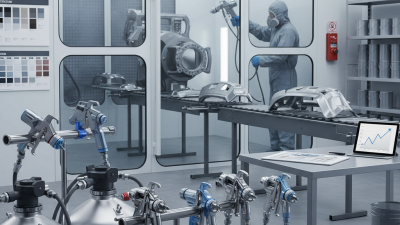
Choosing flame spray powder coating equipment starts with the part, not the catalog. Check the powder’s recommended feed range, the coating thickness you need, and the substrate’s heat tolerance. A handheld gun may suit brackets and repairs, while large parts often need steadier handling and consistent movement. Ask suppliers for operating data and a sample coating on a similar surface. Specs alone can be misleading.

Tip

Match the spray pattern to the part. On a flat panel, overlap each pass slightly and keep the gun moving at a steady pace. For corners, recesses, and narrow edges, confirm that the equipment can reach them without excessive buildup. Coverage depends on geometry, operator technique, and powder flow, not just the stated application rate. Small test areas reveal problems early.

Application requirements deserve equal attention. Clean and prepare the substrate as specified, then monitor surface temperature during spraying. Too much heat can damage sensitive parts; too little may prevent the coating from bonding properly. Provide suitable ventilation and follow the equipment and powder safety instructions. Record settings, distance, and pass count for repeat jobs. Real conditions vary, so treat the first trial as a check, not a guarantee.

Checking Supplier Quality, Technical Support, and Product Consistency

Tip: Check supplier quality beyond a polished sample. Ask for current technical data, batch records, and test methods. Confirm powder particle size, melt flow, ash content, and recommended spray temperature. A supplier should explain how these values affect adhesion, surface finish, and coating thickness. Request samples from different production batches. One excellent sample proves very little.

Tip: Technical support must be practical and reachable. Ask whether specialists can review your substrate, spray distance, flame settings, and heating cycle. Good support includes troubleshooting guidance, trial reports, and clear storage instructions. During a trial, record powder feed rate, surface temperature, and coating appearance. Small details matter. However, even experienced technicians can miss a variable, such as moisture in the powder or uneven substrate cleaning.

Tip: Evaluate consistency under repeated use, not only during approval. Compare color, flow, bonding strength, and powder recovery across several batches. Ask how complaints are investigated and how replacement material is controlled. Reliable suppliers retain traceable batch information and communicate changes before delivery. Buyers sometimes focus heavily on price and overlook technical response time. That is a costly weakness when production stops. A simple three-batch trial may reveal more than a confident sales presentation.

7 Flame Spray Powder Coating Tips for Buyers - Checking Supplier Quality, Technical Support, and Product Consistency

Buyer Tip What to Check Evidence to Request Practical Evaluation Why It Matters
1. Confirm material and process fit Verify powder chemistry, intended service environment, substrate, and whether the proposed flame-spray process is suitable for the part. Technical data sheet, material identification, recommended substrate preparation, and written application limits. Share the substrate, operating temperature, exposure conditions, and required coating function; ask the supplier to confirm suitability in writing. Powder performance depends on the material, application conditions, substrate, and service environment.
2. Review quality controls Check how incoming materials, production batches, finished powder, and nonconforming product are controlled. Quality-system scope, inspection records, calibration practices, change-control process, and a sample batch certificate. Ask for records linked to a specific lot and clarify how deviations, rework, and customer complaints are documented. Documented controls make supplier performance easier to verify and problems easier to trace.
3. Check powder consistency Review particle-size distribution, flow characteristics, moisture or storage guidance, and lot-to-lot acceptance limits. Lot-specific certificate of analysis showing the measured properties, test methods, and stated acceptance criteria. Compare certificates from multiple lots and confirm that the reported test methods and limits remain consistent. Powder properties can influence feeding, deposition, coating appearance, and process repeatability.
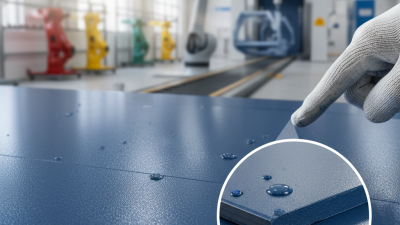
4. Validate coating performance Agree on measurable requirements such as coating thickness, adhesion or cohesion, porosity, appearance, and functional performance—as relevant to the application. Inspection plan, test methods, sample results, and acceptance criteria agreed before production. Use representative trial parts or coupons. Select test methods that suit the coating and substrate; thermal-spray adhesion methods may not be appropriate for every material system. Clear, application-specific criteria prevent acceptance decisions from relying on appearance alone.
5. Evaluate technical support Confirm access to application guidance for equipment setup, surface preparation, process troubleshooting, and operator training. Named support contact, written troubleshooting guidance, training options, and an agreed response-time commitment. Ask how support is provided during a production trial and what information the supplier needs to diagnose a coating issue. Timely, technically relevant support can reduce trial-and-error during process qualification.
6. Test repeatability before scaling Assess performance across more than one powder lot and under the intended production conditions. Trial protocol, recorded process settings, inspection results, and lot traceability for the trial material. Run repeat trials on representative parts, record settings and results, and compare them against the agreed acceptance criteria. A successful single sample does not by itself demonstrate repeatable production performance.
7. Confirm traceability, storage, and safety information Check lot identification, packaging integrity, shelf-life or storage guidance, and handling precautions for the powder. Label example, safety data sheet, storage instructions, and a documented method for tracing supplied lots. Confirm that delivered packaging identifies the lot and that the safety data sheet matches the supplied material and intended handling. Traceability supports investigation of quality issues; storage and safety instructions help protect product condition and workers.

Comparing Costs, Safety Standards, and Long-Term Coating Performance

Flame Spray Powder Coating Tips for Buyers: Comparing Costs, Safety Standards, and Long-Term Coating Performance

A reliable purchase starts with total cost, not powder price. Compare powder consumption, fuel, compressed air, masking, labor, inspection, and rework. Powder Coating Institute guidance indicates reclaimable systems can exceed 95% transfer efficiency under controlled conditions. That figure may fall with poor grounding or irregular part geometry. Ask suppliers for tested consumption per square meter, not optimistic estimates. Include oven loading time and maintenance. These costs are easy to miss.

Safety deserves written evidence. Confirm ventilation, dust collection, grounding, burner interlocks, and operator training. Request current safety data sheets and documented control procedures. OSHA limits airborne hexavalent chromium to 5 micrograms per cubic meter over an eight-hour shift, where applicable. Do not assume a “dry powder” process is automatically harmless. Fine particles still require exposure assessment. Check whether equipment and procedures align with NFPA 652 and ISO 14918 requirements.

Long-term performance depends on surface preparation, powder chemistry, film thickness, and curing control. Use ASTM D3359 for adhesion checks and documented thickness measurements. ISO 12944-5 defines durability bands from low, under seven years, to very high, above 25 years. These are planning ranges, not guarantees. Salt-spray results should support field evidence, not replace it. Request coated test panels, climate-specific references, and retest records. A cheaper coating can become expensive after early edge corrosion. I would still challenge every laboratory claim. Real sites are less polite.